Acrylic vs Metal Prints: Which Is Better for Your Photos?
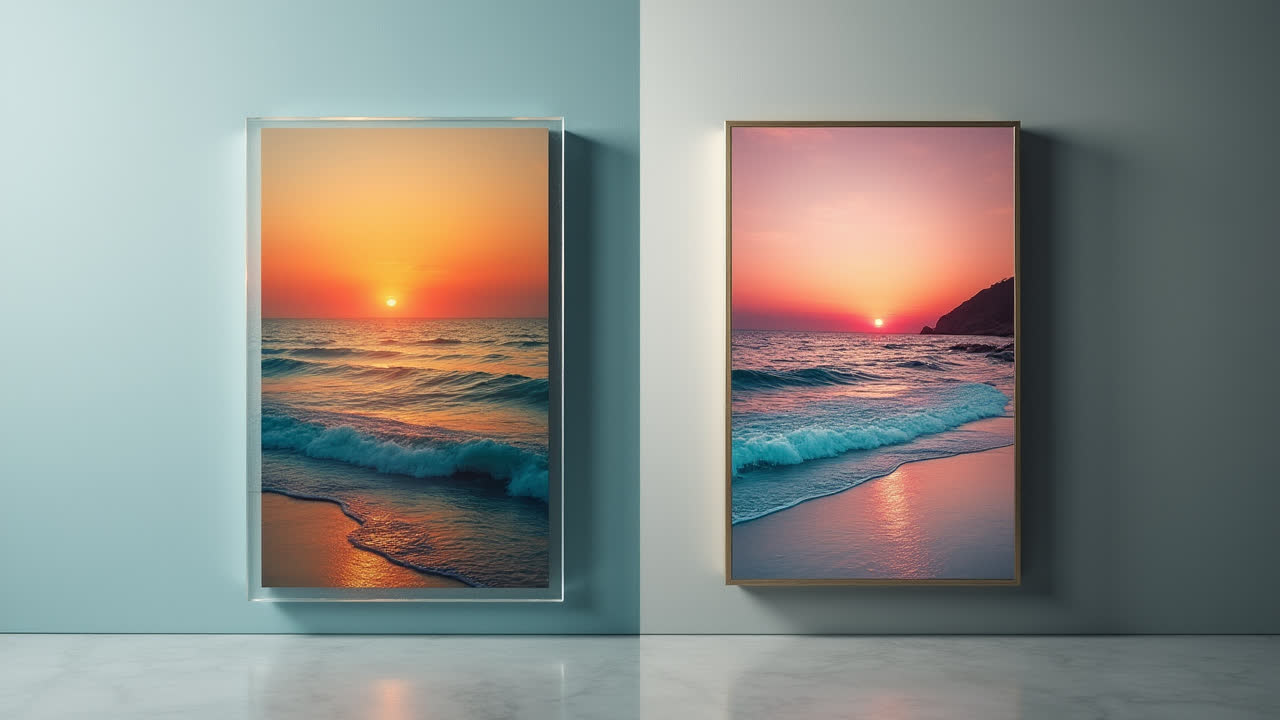
When it comes to displaying your cherished photos or artwork, the medium you choose can dramatically impact how your images are perceived. Acrylic prints and metal prints have become increasingly popular alternatives to traditional canvas and paper prints, offering contemporary aesthetics with impressive durability. But how do you decide which one is right for your specific needs?
As someone who's spent years helping photographers and art enthusiasts select the perfect display medium, I've witnessed firsthand how the right choice between acrylic and metal can transform a good image into a breathtaking visual statement. Both options have their unique strengths, and understanding these differences is crucial before making your investment.
In this comprehensive comparison, we'll explore everything from color vibrancy and durability to price considerations and aesthetic impact. Whether you're decorating your home, setting up a professional gallery, or creating a memorable gift, this guide will help you make an informed decision that best showcases your visual story.
What Are Acrylic Prints?
Acrylic prints represent a modern printing method that offers a clean, contemporary way to display photos as wall art. There are primarily two techniques used to create acrylic prints, each resulting in slightly different visual characteristics.
The first method involves printing the image directly onto an acrylic sheet. The transparent acrylic material allows light to refract through it, creating remarkable depth and brilliance in the final image. After printing, manufacturers typically seal the back with a white coating to enhance contrast and protect the print.
The second method, often referred to as face mounting, is more complex but yields superior results. In this process, the image is printed on high-quality photo paper, which is then sandwiched between two acrylic plates. Depending on the specific image requirements, the back sheet can be black, white, or transparent. The completed piece is attached to the wall using aluminum standoffs, which not only provide visual depth but also create an elegant floating effect.
What sets acrylic prints apart is their exceptional color vibrancy and depth. The translucent nature of acrylic creates an almost three-dimensional appearance that can make photographs seem incredibly lifelike. Have you ever noticed how colors appear more saturated and vibrant when viewed through clear glass or water? Acrylic prints capitalize on this optical effect to enhance your images.
Beyond their striking visual impact, acrylic prints offer practical benefits as well. They're significantly lighter than glass alternatives, making them easier to hang and less dangerous if they fall. Additionally, quality acrylic prints provide built-in UV protection, preventing your precious images from fading when exposed to sunlight. This protective quality ensures your photos maintain their vivid appearance for years, even in brightly lit rooms.
What Are Metal Prints?
Metal prints have revolutionized the photo display industry with their sleek, modern aesthetic and surprising durability. Unlike traditional paper or canvas prints, metal prints involve a specialized production process called dye sublimation, which creates a unique visual experience for viewers.
The creation of a metal print begins with two sheets of metal—typically aluminum due to its lightweight nature and cost-effectiveness—with a foam core sandwiched between them for stability and structure. Your image is printed directly onto the metal surface through the dye sublimation process, where the dyes are converted from solid to gas and back to solid form, becoming embedded in the specially coated aluminum surface.
One of the most striking aspects of metal prints is their frameless design. There's something distinctly contemporary about the clean edges and floating appearance of a metal print that many people find irresistible. I remember installing a landscape metal print in my living room and being surprised by how the metallic surface seemed to capture the changing light throughout the day, giving the image different moods depending on the time.
Metal prints have several practical advantages worth considering. Their waterproof and scratch-resistant nature makes them ideal for high-traffic areas or homes with children and pets. You won't need to worry about fingerprints or minor impacts the way you might with other print mediums. They're remarkably easy to clean—just a quick wipe with a soft cloth removes dust without damaging the surface.
While their durability is impressive, it's worth noting that some metal prints may gradually fade if positioned in direct sunlight for extended periods. However, high-quality metal prints using superior materials and printing techniques offer significant resistance to such fading. I've seen metal prints maintain their vibrant appearance for many years, even in somewhat challenging environments.
Detailed Comparison: Acrylic vs Metal Prints
| Feature | Acrylic Prints | Metal Prints |
|---|---|---|
| Production Method | Direct printing on acrylic or face mounting (photo paper between acrylic sheets) | Dye sublimation printing directly onto aluminum sheets |
| Color Vibrancy | Exceptional vibrancy with deep, rich colors and significant depth | Good vibrancy with metallic sheen that enhances certain images |
| Durability | Shatter-resistant, UV-protected, resistant to fading | Waterproof, scratch-resistant, potential fading in direct sunlight |
| Weight | Lightweight compared to glass, heavier than metal prints | Very lightweight, easiest to hang and transport |
| Aesthetic Appeal | Glossy, high-end look with visual depth and dimension | Modern, sleek appearance with metallic finish |
| Best For | Vibrant photographs, portraits, art where color depth matters | Landscapes, architectural photos, high-contrast images |
| Price Range | Higher price point, premium product | More affordable, good value option |
| Cleaning & Maintenance | Requires careful cleaning to avoid scratches | Easy to clean, highly resistant to damage |
Color Quality and Visual Impact
When it comes to color reproduction and visual impact, both acrylic and metal prints offer distinct advantages that set them apart from traditional printing methods. Understanding these differences is essential for selecting the right medium for your specific image.
Acrylic prints are renowned for their extraordinary color depth and vibrancy. The transparent acrylic material acts somewhat like a magnifying glass, enhancing the colors and creating a luminous quality that's difficult to achieve with other print mediums. This effect is particularly noticeable with face-mounted acrylic prints, where the image is printed on premium photo paper before being mounted behind acrylic. The layering creates a three-dimensional appearance that makes colors pop and details stand out with remarkable clarity.
I've found that acrylic prints excel at reproducing vibrant sunset photographs, underwater scenes, or any image with rich, saturated colors. The way light interacts with the acrylic surface creates a glossy, almost wet look that adds drama and impact to already striking images. For instance, a tropical beach scene I printed on acrylic captured the turquoise waters with such intensity that viewers often comment it feels like looking through a window rather than at a photograph.
Metal prints, on the other hand, offer a different type of visual appeal. The aluminum surface brings a subtle metallic sheen to images, which can enhance certain types of photography in unique ways. High-contrast black and white photographs, architectural images, and landscapes with dramatic lighting all benefit from the distinctive properties of metal prints.
What's particularly interesting about metal prints is how they react to changing light conditions. Throughout the day, as natural light shifts in your space, a metal print will reveal different aspects of the image, sometimes emphasizing shadows and other times highlighting bright areas. This dynamic quality adds an ever-changing dimension to your displayed photography that many find fascinating.
While acrylic prints generally offer superior color accuracy and depth, metal prints provide a contemporary aesthetic that works beautifully for certain subjects and interior design styles. The choice ultimately depends on your specific image and the effect you're hoping to achieve in your space.
Durability and Longevity Factors
The investment in high-quality prints deserves consideration of how well they'll stand the test of time. Both acrylic and metal prints offer significant advantages over traditional paper prints in terms of durability, but they excel in different aspects of longevity.
Acrylic prints provide exceptional protection against environmental factors that typically cause degradation in photographs. The acrylic material itself acts as a natural UV filter, significantly reducing the sun's harmful effects that lead to fading and color shifting. This protective quality makes acrylic prints particularly well-suited for bright rooms with ample natural light where other print types might quickly show signs of deterioration.
Beyond UV protection, quality acrylic prints resist warping and yellowing, common issues with paper-based prints as they age. The rigid structure maintains its shape even with fluctuations in humidity and temperature, ensuring your image remains pristine. I've had an acrylic print hanging in my bathroom for over five years—an environment typically hostile to photographs due to the changing humidity—and it looks as vibrant as the day it was installed.
Metal prints bring their own impressive durability advantages to the table. Perhaps most notably, they're essentially waterproof and highly resistant to moisture damage. This makes them ideal for kitchens, bathrooms, or outdoor covered areas where condensation or occasional splashes might occur. The aluminum construction also resists warping and maintains structural integrity across a wide range of environmental conditions.
One consideration with metal prints is their varying resistance to direct sunlight. Lower-quality metal prints may show signs of fading if positioned in areas with constant, direct sun exposure. However, premium metal prints utilizing advanced dye sublimation techniques and higher-grade coatings offer significantly improved UV resistance. If sunlight exposure is a concern for your display location, be sure to inquire about the specific UV resistance rating of the metal print you're considering.
Both print types offer impressive scratch resistance compared to traditional photographs, though they're not entirely impervious to damage. Acrylic surfaces, while durable, can develop fine scratches over time if not properly maintained. Metal prints generally offer superior scratch resistance for everyday environments, particularly in homes with children or pets where accidental contact is more likely.
Price Considerations and Value
When investing in quality wall art, understanding the cost factors and long-term value of different print options becomes crucial. Both acrylic and metal prints represent premium alternatives to standard framed photographs, but their pricing structures and value propositions differ in several important ways.
Acrylic prints typically command a higher price point than metal prints of comparable size. This price difference reflects several factors, including the more complex production process—particularly for face-mounted acrylic prints—and the superior materials used. The premium optical-grade acrylic that delivers those stunning visual results comes at a cost, as does the precision required to properly mount the image without bubbles or alignment issues.
For example, a 16x20 inch high-quality acrylic print might range from $150-$300 depending on the specific manufacturing process, acrylic thickness, and mounting hardware included. These prices may seem substantial compared to traditional framed prints, but many photographers and art enthusiasts find the dramatic visual impact worth the investment. I've often heard clients remark that their acrylic prints become instant focal points in their rooms, drawing far more attention and comments than their previously framed photographs.
Metal prints offer a more accessible price point while still providing a contemporary, frameless aesthetic. The same 16x20 inch size in a metal print might range from $100-$200, making it a more budget-friendly option for those looking to display multiple images or fill larger wall spaces. The streamlined production process for metal prints contributes to this cost difference, as does the generally lighter weight and simpler mounting requirements.
When evaluating long-term value, consider that both print types eliminate framing costs, which can significantly add to the overall expense of traditional prints. Additionally, their durability means you won't face replacement costs due to fading, yellowing, or warping that often necessitate reprinting with standard photographs.
Ultimately, the value equation depends on your specific needs and the impact you want your images to make. If absolute color fidelity and depth are paramount, the higher investment in acrylic may be justified. If you're looking for durability and contemporary appeal at a more moderate price point, metal prints offer exceptional value. Sometimes, the best approach is mixing both mediums, using acrylic for your most treasured showcase pieces and metal prints for complementary images.
Frequently Asked Questions
Which is better for displaying photos in direct sunlight: acrylic or metal prints?
For areas with direct sunlight, high-quality acrylic prints typically perform better due to their superior UV protection properties. Quality acrylic naturally filters ultraviolet light that causes fading and color shifting. While premium metal prints also offer UV resistance, they're generally more susceptible to gradual fading in constant direct sunlight. If your display location receives several hours of direct sun daily, consider either a high-grade acrylic print or opt for metal prints with additional UV protective coatings specifically designed for high-light environments.
Are acrylic or metal prints easier to clean and maintain?
Metal prints are generally easier to maintain and clean than acrylic prints. Their surface is highly resistant to fingerprints, smudges, and water spots, requiring only occasional dusting with a soft, dry microfiber cloth. Acrylic prints require more careful cleaning to avoid scratches—using only non-abrasive microfiber cloths and dedicated acrylic cleaners without ammonia or alcohol. Never use paper towels or household glass cleaners on acrylic as they can cause fine scratches that accumulate over time. For households with children or in high-traffic areas, metal prints offer more practical day-to-day maintenance.
What types of images look best on acrylic versus metal prints?
Acrylic prints excel at showcasing images with rich, vibrant colors and fine details. Portraits, underwater photography, sunset scenes, and highly saturated images benefit from acrylic's depth and color intensity. The glossy surface enhances colors, making them appear more vivid and three-dimensional. Metal prints shine with high-contrast images, black and white photography, landscapes with dramatic lighting, and architectural subjects. The metallic surface brings a luminous quality to highlights and shadows, adding dimension to images with strong tonal variations. For nature photography, cityscapes, or industrial themes, metal prints often provide a complementary aesthetic that enhances the subject matter.
Making Your Final Decision
Choosing between acrylic and metal prints ultimately comes down to understanding your specific needs, preferences, and the characteristics of the images you want to display. Both mediums offer significant advantages over traditional framed prints, but their distinct properties make each better suited for particular situations.
Consider starting your decision process by evaluating your images. Look closely at the color characteristics, contrast levels, and subject matter. Vibrant, colorful photographs with rich details often shine in acrylic, while images with strong contrast, dramatic lighting, or industrial themes frequently find their perfect expression in metal prints.
Next, think about your display environment. Is the area subject to high humidity, direct sunlight, or frequent touching? Is it a high-traffic space where durability concerns might outweigh slight differences in visual impact? Metal prints might be preferable in challenging environments, while acrylic could be the better choice for controlled settings where optimal visual presentation is the primary concern.
Budget considerations naturally play a role as well. If you're looking to create a gallery wall with multiple images, the more affordable price point of metal prints might allow you to display more photographs within your budget. Alternatively, you might choose to invest in one statement acrylic piece surrounded by complementary metal prints, creating a focal point while maximizing your display options.
Don't hesitate to request samples before making a significant investment. Many reputable print labs offer sample packs that allow you to see and feel the difference between acrylic and metal firsthand. Having small examples of each medium printed with similar images can provide invaluable insight that specifications alone cannot convey.
Conclusion
Both acrylic and metal prints offer compelling advantages for displaying your cherished images with contemporary style and impressive durability. Acrylic prints deliver unmatched color vibrancy, depth, and UV protection, making them ideal for showcasing vibrant photographs where color fidelity is paramount. Metal prints provide a modern aesthetic with excellent durability at a more accessible price point, perfect for high-contrast images and more challenging display environments.
Rather than viewing this as a competition between two print mediums, consider it an opportunity to select the perfect canvas for each of your images. Some photographs will naturally lend themselves to the luminous depth of acrylic, while others will shine with the metallic sheen and contemporary feel of aluminum prints. By understanding the unique characteristics of each medium, you can make informed choices that showcase your photography at its absolute best.