Black Seeds vs Black Cumin Seeds: Essential Differences Explained
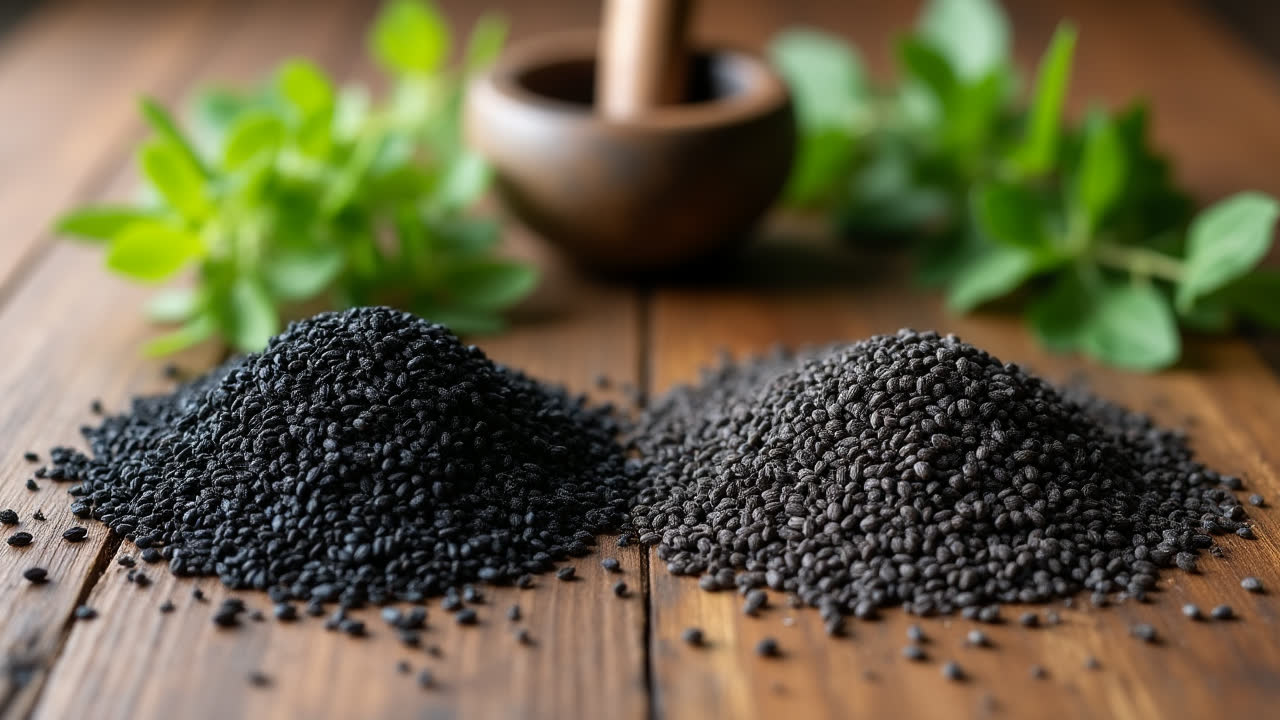
Have you ever found yourself confused at the spice aisle, wondering about the difference between black seeds and black cumin seeds? You're not alone. Despite their similar appearance and sometimes interchangeable names, these tiny black seeds come from different plants and offer unique flavors and health benefits. As someone who's spent years exploring culinary ingredients, I've noticed this confusion comes up repeatedly among home cooks and health enthusiasts alike.
The main confusion stems from terminology - black seeds specifically refer to Nigella sativa (also known as kalonji), while black cumin seeds can refer to either Nigella sativa or an entirely different plant called Bunium bulbocastanum. This naming inconsistency has led to considerable mix-ups in recipes, health recommendations, and product labeling. I remember my own confusion when I first attempted an authentic Indian recipe calling for black cumin, only to discover later I'd used the wrong variety!
In this comprehensive guide, we'll untangle this botanical confusion once and for all. We'll explore the distinct characteristics of each seed, their culinary applications, health benefits, and how to correctly identify them in your local market. Whether you're a cooking enthusiast looking to perfect your spice knowledge or someone interested in the medicinal properties of these ancient seeds, this article will provide you with clear, practical information to distinguish between these often misidentified seeds.
What Are Black Seeds? Understanding Nigella Sativa
Black seeds, scientifically known as Nigella sativa, go by many names including kalonji, black caraway, and fennel flower. These small black seeds come from a flowering plant in the Ranunculaceae family, native to regions spanning Southern Europe, North Africa, and Southwest Asia. I first encountered these seeds in a traditional Egyptian bread during my travels, where they were sprinkled on top for a distinctive flavor that I can only describe as a complex mixture of onion, black pepper, and oregano.
The Nigella sativa plant typically grows to about three feet tall and produces delicate pale flowers that eventually form capsule-like fruits filled with the precious black seeds. These seeds are relatively small - about the size of sesame seeds - and have a distinctive triangular shape with a rough, textured surface. When crushed between your fingers, they release a pungent aroma that's unmistakable once you're familiar with it.
What makes black seeds particularly remarkable is their rich history in traditional medicine. Dating back over 2,000 years, these seeds have been used in various healing traditions across cultures. Ancient Egyptian pharaohs reportedly had black seeds placed in their tombs, and Islamic medicine has long revered them - with the Prophet Muhammad allegedly describing them as a cure for "every disease except death." The key active compound in black seeds is thymoquinone, which researchers have studied extensively for its anti-inflammatory, antioxidant, and immune-boosting properties.
In my kitchen, I've found black seeds to be incredibly versatile. They add a delightful crunch and subtle flavor when sprinkled over flatbreads, naan, or even regular wheat bread before baking. They shine in Middle Eastern and Indian cuisines, where they're often included in spice blends or used to temper oils at the beginning of cooking. The flavor is distinctive without being overwhelming - something I'd describe as aromatic with slight bitterness that pairs wonderfully with foods like lentils, potatoes, and yogurt-based dishes.
What Are Black Cumin Seeds? The Two Varieties
The term "black cumin seeds" creates much of the confusion in this botanical mix-up because it actually refers to two entirely different plants: Bunium bulbocastanum and, sometimes, Nigella sativa as well. Let's clarify each variety to prevent further confusion.
Bunium Bulbocastanum: True Black Cumin
Bunium bulbocastanum, often considered the "true" black cumin in many culinary traditions, belongs to the Apiaceae family (the same family as carrots and parsley). Native to Northern Africa, Southeastern Europe, and Southern Asia, this plant produces small, dark seeds that are often called black cumin or black jeera (especially in Indian cuisine). I first discovered these in an authentic North Indian kitchen, where the host carefully explained that these precious seeds were different from regular cumin despite their similar appearance.
The Bunium bulbocastanum plant typically reaches about two feet in height and produces frilly leaves with delicate white flowers. What's fascinating about this plant is that all parts have culinary uses - the taproot has a chestnut-like flavor, the leaves can be used similarly to parsley, and of course, the seeds serve as a valuable spice. The seeds themselves are smaller than regular cumin and darker in color, with a more complex flavor profile that includes subtle sweetness alongside earthy notes.
In the culinary world, these seeds are particularly treasured in Northern Indian cuisine, where they're an essential ingredient in many garam masala blends. They have a distinctive aroma that's slightly sweeter and less bitter than regular cumin, making them especially suitable for certain rice dishes, bread, and curries. When I first cooked with true black cumin, I was surprised by how it transformed a simple rice pilaf into something truly special - adding complexity without dominating the dish.
Nigella Sativa as "Black Cumin"
Adding to the confusion, Nigella sativa (which we've already identified as "black seeds") is sometimes also called "black cumin," especially in certain regions and translations. This dual naming is perhaps the primary source of the mix-up between these spices. In some Middle Eastern and North African contexts, the term "black cumin" directly translates to what we've described as black seeds (Nigella sativa).
This naming overlap has led to considerable confusion in recipes, health supplement labeling, and culinary discussions. I've witnessed heated debates among cooking enthusiasts about which seed is the "real" black cumin, when in fact both usages have historical precedent depending on cultural context and geography. What's important to understand is that despite some overlap in naming, Bunium bulbocastanum and Nigella sativa are completely different plants with distinct flavor profiles and culinary applications.
Key Differences: Comprehensive Comparison
To clearly understand the distinctions between these often confused seeds, let's examine their differences across various categories. This comprehensive comparison should help you identify and use each seed correctly in your culinary or health endeavors.
| Characteristic | Black Seeds (Nigella sativa) | Black Cumin Seeds (Bunium bulbocastanum) |
|---|---|---|
| Botanical Family | Ranunculaceae (Buttercup family) | Apiaceae (Carrot family) |
| Common Names | Kalonji, black caraway, fennel flower, black seed | Black jeera, great pignut, earthnut |
| Appearance | Small, matte black, irregular triangular shape with rough texture | Small, dark brown to black, crescent-shaped like regular cumin but smaller |
| Flavor Profile | Bitter, pungent with notes of onion, black pepper, and oregano | Earthy, slightly sweet with complex undertones, milder than regular cumin |
| Culinary Uses | Breads, curries, vegetable dishes, pickling, spice blends in Middle Eastern and Indian cuisine | Garam masala, rice dishes, meat preparations, primarily in North Indian cuisine |
| Primary Health Compounds | Thymoquinone, thymohydroquinone, thymol | Essential oils, flavonoids, various antioxidants |
| Medicinal History | Extensive use in traditional medicine for thousands of years, especially in Islamic medicine | Used in traditional medicine but less extensively documented than Nigella sativa |
| Plant Characteristics | Grows to about 3 feet tall with delicate pale flowers | Grows to about 2 feet tall with frilly leaves and white flowers |
Health Benefits and Traditional Uses
Both black seeds and black cumin seeds have been valued not just for their culinary applications but also for their purported health benefits. However, it's worth noting that Nigella sativa (black seeds) has been more extensively studied and has a more documented history of medicinal use. Let me share what research suggests about these remarkable seeds, along with some personal observations from my experience with herbal traditions.
Health Benefits of Black Seeds (Nigella sativa)
The impressive health profile of black seeds stems primarily from thymoquinone, a powerful compound that has caught the attention of modern researchers. Studies suggest this compound may have anti-inflammatory, antioxidant, and immune-boosting properties. During a bout of seasonal allergies last year, I tried black seed oil supplements after reading about their antihistamine properties, and was pleasantly surprised by the reduction in my symptoms - though of course, personal experiences vary widely.
Traditional medicine systems have used black seeds for an astonishing range of conditions. In Unani and Ayurvedic medicine, they're prescribed for digestive issues, respiratory conditions, and skin disorders. Islamic medical texts describe black seeds as a remedy for "every disease except death" - a bold claim that reflects the seed's esteemed status in traditional healing. Modern research continues to investigate black seeds for potential benefits related to:
- Reducing inflammation and oxidative stress
- Supporting immune function
- Helping manage blood sugar levels
- Potentially supporting heart health
- Alleviating certain respiratory conditions
I've observed many people incorporating black seed oil into their wellness routines, either as capsules or as liquid oil taken by the spoonful. The taste is decidedly bitter and strong - not for the faint of heart, but those who use it regularly often claim the benefits outweigh the challenging flavor. In my local community, I've noticed increasing interest in black seed honey, where the strong taste is somewhat masked by natural sweetness.
Health Benefits of Black Cumin Seeds (Bunium bulbocastanum)
While Bunium bulbocastanum has been less extensively studied than Nigella sativa, it still holds an important place in traditional medicine, particularly in South Asian healing traditions. These seeds are believed to have carminative properties (preventing gas formation in the gastrointestinal tract) and are often used to aid digestion.
In traditional Ayurvedic medicine, black cumin seeds are considered warming and are used to balance certain doshas (bodily energies). They're sometimes recommended for digestive weakness, bloating, and respiratory conditions. The essential oils in these seeds may have antimicrobial properties, though more research is needed to substantiate many of the traditional claims.
What's particularly interesting about black cumin seeds (Bunium bulbocastanum) is their role in traditional cooking as both flavor enhancer and digestive aid. In many Indian households, including one I visited during culinary travels, these seeds are added to rich, heavy dishes specifically to make them more digestible - reflecting the traditional wisdom that food can be medicine when used thoughtfully.
Culinary Applications and Cooking Tips
The distinct flavor profiles of black seeds and black cumin seeds make them valuable additions to any well-stocked spice cabinet. Based on my culinary experiments and traditional cooking knowledge, here are some practical ways to use each in your kitchen.
Cooking with Black Seeds (Nigella sativa)
Black seeds have a strong, distinctive flavor that can enhance many dishes when used properly. They're particularly wonderful when used in:
- Bread and baked goods: Sprinkled on top of naan, flatbreads, dinner rolls, or even bagels before baking for a delightful crunch and subtle flavor
- Vegetables: Added to roasted vegetables, especially root vegetables like carrots and potatoes
- Pickles and preserves: Included in pickling spices for a unique flavor dimension
- Yogurt preparations: Mixed into yogurt-based sauces and dips like raita or tzatziki
- Legume dishes: Added to lentil soups and stews for aromatic complexity
A cooking tip I've learned through trial and error: black seeds benefit from being lightly toasted before use, which helps release their essential oils and intensify their flavor. However, be careful not to burn them, as they can quickly become bitter. When adding them to hot oil at the beginning of cooking (a technique called tempering or "tadka" in Indian cooking), they should sizzle gently but not become dark brown.
Cooking with Black Cumin Seeds (Bunium bulbocastanum)
Black cumin seeds offer a more subtle, complex flavor than regular cumin, making them especially valuable in:
- Rice dishes: Added to pilaf, biryani, and other aromatic rice preparations
- Spice blends: Essential component in authentic garam masala and other North Indian spice mixtures
- Meat rubs: Included in spice rubs for lamb, goat, and other meats
- Curries: Added during the initial stages of curry preparation for depth of flavor
- Bread: Used in certain specialty breads, particularly from Kashmir and northern India
I've found that black cumin seeds perform best when they're freshly ground just before use - the difference in aroma is remarkable compared to pre-ground spices. Like many seeds, they benefit from being stored in a cool, dark place in an airtight container, which preserves their volatile oils and extends their shelf life. One mistake I made early on was substituting regular cumin when a recipe called for black cumin - while not disastrous, it definitely changed the intended flavor profile of the dish.
How to Identify and Purchase the Right Seeds
Given the confusion surrounding these seeds, it's important to know how to correctly identify and purchase them. Here are some practical tips based on my experience sourcing authentic spices:
Visual Identification
Black seeds (Nigella sativa) are small, matte black, and have an irregular triangular shape with a rough, textured surface. They're about the size of sesame seeds. When crushed, they reveal a white interior.
Black cumin seeds (Bunium bulbocastanum) are similar in size to black seeds but have a crescent shape more reminiscent of regular cumin, though they're smaller and darker. They have a smoother surface than Nigella sativa.
Where to Purchase
For the most reliable identification, I recommend purchasing these seeds from specialty spice shops, Indian or Middle Eastern grocery stores, or reputable online spice retailers. In my experience, these specialized vendors are much more likely to correctly label and identify these often-confused spices.
When shopping, it's helpful to know the alternative names for these seeds:
- Black seeds (Nigella sativa) may be labeled as kalonji, black onion seeds (though they're not related to onions), or charnushka
- Black cumin seeds (Bunium bulbocastanum) may be labeled as black jeera or shah jeera
I've sometimes encountered mislabeled products even in specialty stores, so when in doubt, don't hesitate to ask questions or check the botanical name if it's provided. Once, when seeking black cumin for a specific recipe, I had to verify with the store owner by describing the recipe - his knowledge of traditional dishes helped identify exactly which seed I needed.
Frequently Asked Questions
Can I substitute black seeds for black cumin seeds in recipes?
While black seeds and black cumin seeds have different flavor profiles, they can sometimes be substituted for each other in a pinch. However, be aware that this will change the flavor profile of your dish. Black seeds (Nigella sativa) have a more bitter, pungent quality, while black cumin seeds (Bunium bulbocastanum) offer a sweeter, more complex flavor similar to regular cumin but more refined. For the most authentic results in traditional recipes, try to use the specific seed called for. If substituting, you might want to adjust the quantity slightly - using a bit less if substituting black seeds for black cumin seeds due to their stronger flavor.
What are the best ways to store black seeds and black cumin seeds?
Both black seeds and black cumin seeds should be stored in similar conditions to maintain their flavor and beneficial properties. Store them in airtight containers in a cool, dark place away from direct sunlight and heat sources. Properly stored, these seeds can maintain their quality for about 1-2 years. For extended freshness, you can also store them in the refrigerator, especially in humid climates. I recommend purchasing whole seeds rather than ground versions whenever possible, as whole seeds retain their volatile oils and flavor compounds much longer. You can easily grind small amounts as needed using a spice grinder or mortar and pestle for the freshest flavor in your dishes.
Are there any side effects or precautions when consuming black seeds or black cumin seeds?
When used in culinary amounts as spices, both black seeds and black cumin seeds are generally considered safe for most people. However, when taken in medicinal quantities or as supplements, some precautions should be observed. Black seed (Nigella sativa) supplements may interact with certain medications, including those for diabetes and high blood pressure, as they may have blood-sugar-lowering and blood-pressure-lowering effects. Pregnant women should consult with healthcare providers before using black seed supplements, as they may have effects on uterine contractions. Some individuals may experience digestive discomfort, allergic reactions, or skin rashes from concentrated forms. As with any supplement, it's best to consult with a healthcare provider before beginning regular consumption of black seeds or black cumin seeds in medicinal quantities, especially if you have underlying health conditions or are taking medications.
Conclusion
The confusion between black seeds and black cumin seeds is understandable given their similar appearance and overlapping nomenclature. However, recognizing the distinctions between Nigella sativa (black seeds) and Bunium bulbocastanum (black cumin seeds) enhances both culinary adventures and potential health applications. Whether you're sprinkling these tiny seeds on freshly baked bread or incorporating them into traditional recipes, understanding their unique properties ensures you'll achieve the authentic flavors you're seeking.
In my own kitchen, I've found it worthwhile to keep both varieties on hand, each bringing their distinctive character to different dishes. The next time you're browsing the spice aisle or exploring an international market, you'll now be equipped to identify exactly which seed you need for your culinary or wellness purposes. And if you encounter continued confusion in product labeling, remember to look for alternative names or, when possible, the botanical Latin name to ensure you're getting exactly what you need.
Have you had experiences with either of these fascinating seeds? Perhaps you have a favorite traditional recipe that showcases their unique flavors? The world of spices is endlessly fascinating, with each small seed carrying centuries of culinary and medicinal wisdom worth exploring and preserving.