Ceramides vs Peptides: Which Powerhouse Ingredient Does Your Skin Need?
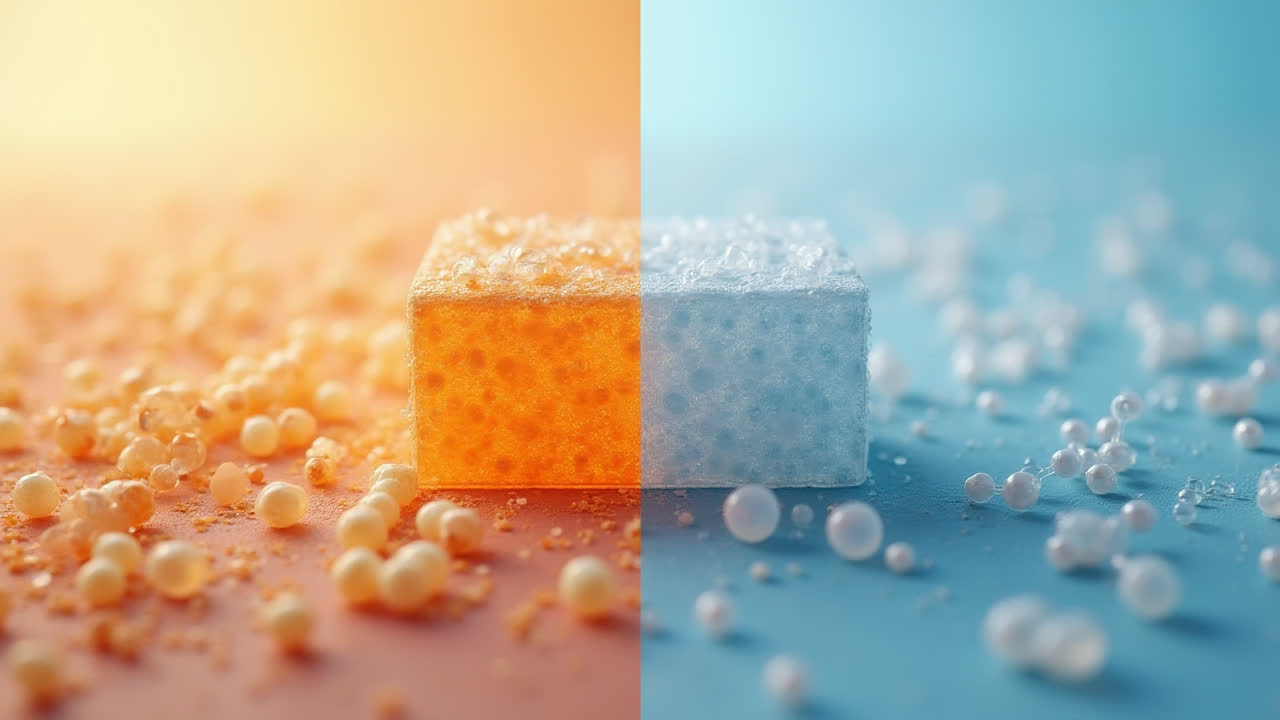
Have you ever picked up a skincare product and wondered what all those fancy-sounding ingredients actually do? I know I have! Among the most buzzed-about skincare heroes, ceramides and peptides often top the list—but understanding the difference between them can be downright confusing. As someone who's spent countless hours researching skincare ingredients (and yes, testing way too many products on my sensitive skin), I'm here to break down these powerhouse ingredients in plain English.
The main distinction lies in their fundamental nature and function: ceramides are lipids that strengthen your skin's barrier, while peptides are amino acid chains that boost protein production. But there's so much more to the story! Let's dive into what makes these ingredients special, how they benefit your skin differently, and—most importantly—which one might be right for your specific skin concerns.
What Are Ceramides? Your Skin's Natural Moisture Barrier
Think of ceramides as the mortar between the bricks of your skin cells. These naturally occurring lipids (fats) make up about 50% of your skin's outer layer, creating a protective barrier that locks in moisture and keeps irritants out. I like to imagine them as the security guards of your skin—they're constantly on patrol, making sure nothing harmful gets in and nothing beneficial escapes.
Your skin naturally produces ceramides, but—like most good things in life—their production decreases as we age. Environmental factors, harsh cleansers, and even seasonal changes can also deplete your ceramide levels. This is where skincare products containing ceramides come to the rescue. By replenishing these essential lipids, ceramide-infused products help restore your skin's natural barrier.
The science behind ceramides is pretty fascinating. Structurally, they belong to a class of lipids called sphingolipids and consist of a sphingosine backbone, a fatty acid chain, and a polar head group. There are actually nine different types of ceramides in your skin (conveniently labeled ceramide 1 through ceramide 9), each with slightly different functions. But don't worry—most skincare products don't distinguish between them and simply list "ceramides" on the ingredient label.
I've personally found ceramides to be a game-changer for my dry, sensitive skin, especially during winter months when the harsh weather leaves my face feeling tight and uncomfortable. After incorporating a ceramide-rich moisturizer into my routine last December, the difference was remarkable—fewer flaky patches and that uncomfortable "stretched" feeling virtually disappeared.
The Magic of Peptides: Tiny Chains, Big Results
Now let's talk about peptides—the workhorses of anti-aging skincare. While ceramides focus on protection and hydration, peptides are all about repair and renewal. These short chains of amino acids are essentially fragments of proteins, and they serve as building blocks for essential skin proteins like collagen and elastin.
The fascinating thing about peptides is how they communicate with your skin cells. When collagen breaks down in your skin, it forms specific peptides that signal your skin to make more collagen—kind of like a feedback system. Skincare scientists have cleverly created synthetic peptides that mimic these signals, essentially "tricking" your skin into producing more collagen even when it's not breaking down. Pretty smart, right?
There are several types of peptides used in skincare, each with specific functions. Signal peptides tell your skin to boost production of key proteins and elements. Carrier peptides deliver trace minerals to promote enzyme activity. Enzyme inhibitor peptides slow the skin's natural breakdown of collagen. And neurotransmitter peptides—often called "Botox-like peptides"—temporarily inhibit muscle contractions that lead to expression lines.
My first experience with peptides was actually accidental. A friend gave me a sample of a peptide serum she couldn't use, and I noticed after about three weeks that the fine lines around my eyes seemed less noticeable. I wasn't even looking for that effect at the time, which made me even more impressed with these tiny protein fragments.
The beauty of peptides lies in their versatility—depending on the specific peptide used, they can address various concerns from wrinkles and sagging to uneven skin tone and texture. They're especially effective when it comes to dynamic wrinkles (the ones formed by facial movements) and areas where the skin has lost firmness.
Comparing Ceramides and Peptides: A Head-to-Head Analysis
| Feature | Ceramides | Peptides |
|---|---|---|
| Chemical Structure | Lipids (fats) with sphingosine backbone | Short chains of amino acids |
| Main Function | Strengthen skin barrier, lock in moisture | Stimulate collagen production, signal skin repair |
| Best For | Dry, sensitive, irritated skin; eczema-prone | Aging skin, fine lines, loss of firmness |
| Natural Presence | Naturally occur in skin's outer layer | Naturally occur as protein fragments |
| Decreases With | Age, harsh cleansers, dry weather | Age, sun damage, environmental factors |
| Common Product Types | Moisturizers, creams, barrier repair products | Serums, eye creams, anti-aging treatments |
| Visible Results Timeframe | Relatively quick (days to weeks) | Gradual (weeks to months) |
| Ideal Use Time | Day and night | Primarily nighttime (for many formulations) |
The Similarities: Where Ceramides and Peptides Overlap
Despite their differences, ceramides and peptides do share some common ground. Both are naturally present in your skin, though in different forms and with different functions. They're both essential components for healthy, youthful-looking skin, and both tend to decrease as we age (isn't that always the way with good things?).
From a skincare perspective, both ingredients are generally well-tolerated by most skin types. I've rarely heard of sensitivity reactions to either ceramides or peptides, which makes them suitable for incorporation into most skincare routines. Neither ingredient typically causes purging or breakouts, unlike some active ingredients like retinoids or certain acids.
Another similarity worth noting is their compatibility with other skincare ingredients. Both ceramides and peptides play well with most other components in your skincare arsenal. They can be used alongside vitamins, antioxidants, and even stronger actives like retinol or niacinamide. This versatility makes them easy to incorporate into existing routines without causing conflicts.
In terms of product formulations, you'll find both ingredients across various product types—from serums and moisturizers to masks and eye creams. However, ceramides are more commonly found in heavier, more emollient products designed for deep hydration, while peptides often appear in lighter serums designed to penetrate more deeply into the skin.
Key Differences: When to Choose One Over the Other
The most fundamental difference between ceramides and peptides lies in their core functions. Ceramides focus primarily on protection and hydration—they're defensive players in your skincare game. Peptides, on the other hand, are more offensive, actively working to stimulate repair and renewal processes within the skin.
Your specific skin concerns should guide your choice between these ingredients. If dryness, sensitivity, or a compromised skin barrier is your main issue, ceramides should be your go-to. I've found them especially helpful during seasonal transitions or after overusing active ingredients (we've all been there, trying too many products at once!).
For those primarily concerned with signs of aging—fine lines, wrinkles, and loss of firmness—peptides will likely deliver more visible results. They're particularly effective for expression lines around the eyes and forehead, areas where repeated muscle movements contribute to wrinkle formation.
Another key difference lies in how quickly you'll see results. Ceramides typically deliver faster visible improvements in terms of skin hydration, comfort, and appearance. Within days or a couple of weeks, you might notice your skin feels more comfortable and looks less dry or irritated. Peptides work more gradually, with results becoming noticeable after consistent use over weeks or months.
The scientific evidence behind these ingredients also differs somewhat. Ceramides have been studied extensively for decades, with substantial research supporting their barrier-strengthening and hydrating properties. The research on peptides is growing rapidly but varies significantly by specific peptide type. Some peptides have robust clinical support, while others rely more on laboratory studies rather than clinical trials.
Can You Use Both Ceramides and Peptides Together?
The million-dollar question: can these powerhouse ingredients be used together? Absolutely! In fact, they complement each other beautifully. While ceramides strengthen your skin's protective barrier and prevent moisture loss, peptides work beneath the surface to boost collagen and improve skin structure.
I've found that using both ingredients creates a comprehensive approach to skincare—ceramides handle the immediate comfort and appearance of my skin, while peptides work on the long-term goals of firmness and wrinkle reduction. It's like addressing both the symptoms and the root cause of skin aging simultaneously.
When incorporating both into your routine, you have several options. You can use separate products containing each ingredient, or look for formulations that combine them. Many advanced skincare products now include both ceramides and peptides, along with complementary ingredients like antioxidants or hyaluronic acid.
For a layering approach, I typically apply a peptide serum to clean skin, allow it to absorb for a minute or two, then follow with a ceramide-rich moisturizer. This sequence allows the peptides to penetrate deeply while the ceramides seal everything in and strengthen the skin barrier.
If you're just starting out with these ingredients, you might want to introduce them one at a time to see how your skin responds. Begin with ceramides if your skin is feeling dry or irritated, or with peptides if aging is your primary concern. Once you've established that your skin tolerates the first ingredient well, you can add the second.
Frequently Asked Questions About Ceramides and Peptides
Are ceramides or peptides better for sensitive skin?
Ceramides are generally better for sensitive skin because they focus on strengthening the skin barrier, which is often compromised in sensitive skin types. By reinforcing this protective layer, ceramides help shield sensitive skin from potential irritants and reduce reactivity over time. That said, most peptides are also well-tolerated by sensitive skin—they just don't actively calm sensitivity the way ceramides do. If you have sensitive skin, look for ceramide products with minimal additional ingredients, fragrance, or potential irritants.
How long does it take to see results from ceramides and peptides?
With ceramides, you can often notice improvements in skin hydration, comfort, and appearance within days to a couple of weeks. Your skin may feel less tight, look less flaky, and appear more radiant relatively quickly. Peptides, on the other hand, require more patience. While some people might notice subtle improvements within 2-4 weeks, the most significant results typically become visible after 8-12 weeks of consistent use. This is because peptides work by stimulating processes like collagen production, which happen gradually over time.
Can ceramides or peptides cause breakouts?
Both ceramides and peptides are generally non-comedogenic and unlikely to cause breakouts when used in properly formulated products. In fact, ceramides can sometimes help acne-prone skin by repairing the barrier function, which may reduce inflammation and prevent the overproduction of oil that occurs when skin is dehydrated. However, it's important to look at the entire formulation of any product. Some ceramide-rich moisturizers might contain other ingredients that are potentially comedogenic, such as certain oils or butters. If you're acne-prone, look for products labeled "non-comedogenic" and consider gel or lotion formulations rather than heavy creams.
The Bottom Line: Choosing Between Ceramides and Peptides
So, which ingredient should you choose? The answer, as with most skincare questions, depends on your specific concerns and goals.
If your skin feels dry, tight, sensitive, or irritated, ceramides should be your first line of defense. They excel at restoring comfort and function to skin that's out of balance. I particularly recommend focusing on ceramides if you live in a harsh climate, have recently over-exfoliated, or have naturally sensitive or reactive skin.
If your primary concerns revolve around signs of aging—fine lines, wrinkles, and loss of firmness—peptides are likely to deliver more satisfying results over time. They're particularly valuable for areas with expression lines and for skin that's beginning to show laxity.
And remember—skincare isn't a zero-sum game. The best approach for many will be to incorporate both ingredients, using ceramides to maintain a healthy barrier while peptides work on structural improvements beneath the surface. After all, healthy skin is both well-protected and actively renewing itself.
Whatever you choose, consistency is key. Both ceramides and peptides deliver their best results with regular, ongoing use. Unlike some actives that can be used periodically or cyclically, these ingredients work best when they're steady components of your skincare routine.
And isn't that the truth about most good things in life? The magic happens not in sporadic grand gestures, but in the small, consistent actions we take day after day. Your skin is listening and responding to the ingredients you feed it—choose wisely, be patient, and enjoy the journey.