Chasmogamous vs Cleistogamous Flowers: Key Differences Explained
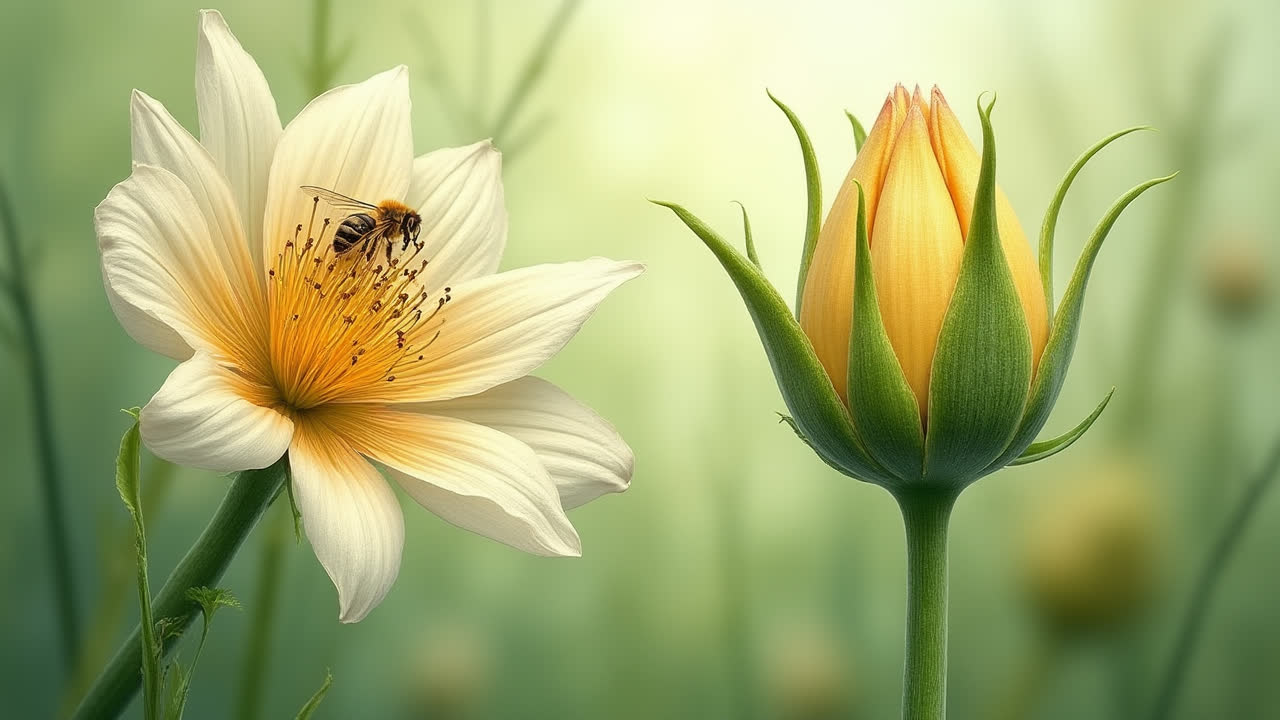
Have you ever wondered why some flowers boldly display their colors to the world while others remain perpetually closed, like little secret keepers in the plant kingdom? The plant world is full of fascinating reproductive strategies, and among the most intriguing are the chasmogamous and cleistogamous flower types. These two distinct flowering mechanisms represent nature's brilliant solution to different environmental challenges and reproductive needs.
While walking through a garden, most of the flowers you admire are likely chasmogamous - open, showy blooms that interact with the environment around them. But hidden from view, many plants also produce cleistogamous flowers that never open yet still manage to reproduce. This dual strategy gives plants remarkable flexibility in how they perpetuate their species.
In this comprehensive guide, we'll explore the fascinating world of these contrasting flower types, their evolutionary significance, and how they represent different approaches to the fundamental challenge of plant reproduction. Whether you're a gardening enthusiast, botany student, or simply curious about the natural world, understanding these flower types offers valuable insights into plant adaptation and survival strategies.
Understanding Chasmogamous Flowers
The term "chasmogamous" derives from Greek roots meaning "open marriage," which perfectly captures the nature of these flowers. In botanical terms, chasmogamous flowers are characterized by their open structure where petals unfold to expose the reproductive organs to the outside environment. This openness is not just a visual display but serves a crucial reproductive function.
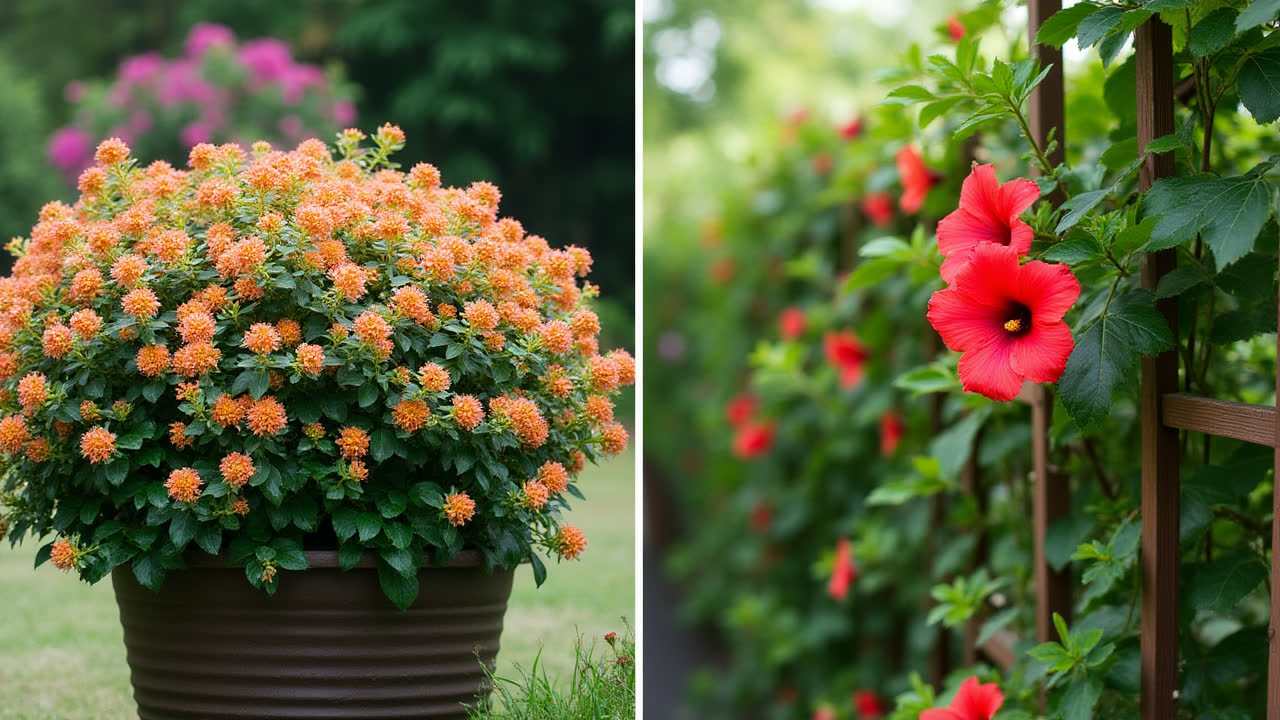
Most flowers you're familiar with—roses, daisies, tulips, and countless others—fall into this category. These flowers typically feature large, colorful petals or petaloids designed to attract pollinators. The vibrant colors, patterns, and sometimes fragrance serve as signals to pollinators that nectar or pollen rewards await. When bees, butterflies, birds, or other pollinators visit these flowers, they inadvertently transfer pollen from one flower to another, facilitating cross-pollination.
But not all chasmogamous flowers rely on animal pollinators. Some, like many grasses and certain trees, have adapted to wind pollination. These flowers might be less showy but still maintain the open structure that allows pollen to be carried away by air currents and potentially reach the stigmas of other flowers. I've often noticed how pine trees release massive clouds of pollen in spring—that's chasmogamous wind pollination on a grand scale!
The primary evolutionary advantage of chasmogamous flowers lies in their ability to promote genetic diversity through cross-pollination. When pollen from one plant fertilizes the ovules of another, it creates new genetic combinations. This genetic recombination is a powerful driver of evolution, allowing plant populations to adapt to changing environments and resist diseases more effectively. You might say that chasmogamous flowers are nature's way of shuffling the genetic deck to create stronger hands for future generations.
Understanding Cleistogamous Flowers
In stark contrast to their showy counterparts, cleistogamous flowers remain permanently closed, creating what botanists call a "closed marriage" (from Greek etymology). These modest, often overlooked flowers never expose their reproductive organs to the outside world, instead completing the entire reproductive process within their sealed chambers.
If you've never noticed cleistogamous flowers, don't feel bad—they're designed not to be noticed! They're typically small, lack colorful petals, and may be hidden among leaves or near the ground. Some plants, like certain violets and wood sorrels, produce both chasmogamous and cleistogamous flowers on the same plant—a remarkable example of reproductive hedging. I once spent an afternoon examining violets in my garden and was amazed to discover tiny, closed flowers near the base of the plants, completely different from the familiar purple blooms above.
Within these closed flowers, self-pollination occurs automatically when pollen from the anthers falls directly onto the stigma of the same flower. No external agents—be they insects, wind, or water—are required to transfer the pollen. This guaranteed reproductive success comes at the cost of genetic diversity, but it ensures seed production even in environments where pollinators are scarce or weather conditions are unfavorable.
Plants with cleistogamous flowers have essentially developed a reproductive insurance policy. When conditions aren't conducive to cross-pollination—perhaps due to extreme weather, absence of pollinators, or resource limitations—cleistogamy ensures the plant can still reproduce. Some species, like certain grasses and violets, produce cleistogamous flowers underground or under leaf litter, further protecting their reproductive process from environmental disturbances.
Evolutionary Significance and Adaptive Value
The coexistence of these two reproductive strategies within the plant kingdom—and sometimes within the same plant—highlights nature's incredible adaptability. Both strategies offer distinct advantages that have been shaped by millions of years of evolution and natural selection.
Chasmogamous flowers excel in environments where conditions are favorable and pollinators are abundant. The genetic diversity they promote helps plant populations adapt to changing conditions over time. Think of it as a long-term investment in the species' future. I've observed this in my own garden, where cross-pollinated varieties seem to develop resistance to local pests more quickly than self-pollinated ones.
Cleistogamous flowers, on the other hand, represent a conservative strategy that prioritizes reproductive assurance over genetic innovation. They're particularly valuable in harsh or unpredictable environments where the resources needed to produce showy flowers might be limited, or where pollinators are unreliable. It's like having a backup generator when the power grid fails—not ideal for everyday use, but critically important when normal systems are disrupted.
Many plants have evolved a mixed reproductive strategy, producing both types of flowers to balance the benefits of genetic diversity with reproductive assurance. This dual approach allows plants to adapt to changing conditions throughout the growing season or across different habitats. For example, some violets produce chasmogamous flowers in spring when pollinators are active, then switch to cleistogamous flowers in summer when conditions may be less favorable.
Comparison Between Chasmogamous and Cleistogamous Flowers
| Characteristic | Chasmogamous Flowers | Cleistogamous Flowers |
|---|---|---|
| Flower Structure | Open, with exposed reproductive organs | Closed, with concealed reproductive organs |
| Size | Typically larger and more prominent | Small and often inconspicuous |
| Color | Usually bright and attractive | Pale or lacking distinctive coloration |
| Petals | Well-developed, often showy | Reduced or absent |
| Pollination Type | Primarily cross-pollination | Exclusively self-pollination |
| External Pollinating Agents | Required (insects, wind, birds, etc.) | Not required |
| Genetic Outcome | Promotes genetic diversity | Maintains genetic uniformity |
| Examples | Roses, pansies, lilies, most common flowers | Subularia, certain violets, some grasses |
Examples in Nature
The plant kingdom offers numerous fascinating examples of both chasmogamous and cleistogamous reproduction, sometimes in surprising combinations. Let's explore some notable examples that showcase these reproductive strategies in action.
Among the most well-known practitioners of combined reproductive strategies are violets (Viola species). These beloved garden plants produce the familiar purple, yellow, or white open flowers in spring, attracting bees and other pollinators. Later in the season, they switch to producing cleistogamous flowers near the ground that never open but reliably produce seeds. This dual approach ensures reproductive success throughout the growing season. I've found that in years with cold, rainy springs when few pollinators are active, my violets still manage to spread thanks to their cleistogamous backup system.
Jewelweed or touch-me-not (Impatiens species) represents another fascinating example. These woodland plants produce showy orange or yellow flowers that attract hummingbirds and insects. In late summer or when growing in deep shade, they also develop tiny cleistogamous flowers that ensure seed production even when pollinator activity decreases. The name "touch-me-not" actually refers to their explosive seed dispersal mechanism, which works for seeds from both flower types!
In agricultural contexts, peanuts (Arachis hypogaea) demonstrate an unusual variation of cleistogamy. After the chasmogamous yellow flowers are pollinated, the flower stalk (peg) grows downward, pushing the developing fruit underground where it matures into a peanut. Some peanut varieties also produce cleistogamous flowers that self-pollinate and develop underground from the start, never emerging above the soil surface.
Ecological and Agricultural Implications
The reproductive strategies of plants have far-reaching implications for both natural ecosystems and agricultural systems. Understanding the dynamics between chasmogamous and cleistogamous reproduction can provide valuable insights for conservation efforts and crop improvement.
In natural ecosystems, the balance between these reproductive modes can influence a plant species' resilience to environmental changes and its evolutionary potential. Species that rely exclusively on chasmogamous flowers may be more vulnerable to pollinator declines, while those with cleistogamous capabilities have a reproductive safety net. This becomes increasingly important as pollinator populations face threats from habitat loss, pesticide use, and climate change.
From an agricultural perspective, the manipulation of these reproductive systems has been fundamental to crop breeding and improvement. Crop scientists often deliberately induce self-pollination (similar to cleistogamy) to develop stable, uniform varieties that reliably express desirable traits. On the other hand, hybrid vigor—the superior performance of offspring resulting from crosses between different parent lines—relies on controlled cross-pollination mechanisms that mimic chasmogamous reproduction.
The study of these reproductive strategies also has implications for understanding plant responses to climate change. As weather patterns become more erratic, plants with flexible reproductive strategies that include both chasmogamous and cleistogamous capabilities may have greater resilience and adaptive potential. This knowledge could inform conservation strategies and the development of climate-resilient crop varieties.
FAQs About Chasmogamous and Cleistogamous Flowers
Can a plant produce both chasmogamous and cleistogamous flowers?
Yes, many plant species can produce both flower types, a phenomenon called dimorphic cleistogamy. Violets (Viola species), jewelweed (Impatiens), and certain grasses commonly display this dual reproductive strategy. These plants typically produce chasmogamous flowers under favorable conditions when pollinators are active, and switch to cleistogamous flowers when environmental conditions are less optimal or as the growing season progresses. This flexible approach allows them to benefit from the genetic diversity of cross-pollination while ensuring reproductive success through self-pollination when necessary.
What environmental factors trigger plants to produce cleistogamous flowers?
Several environmental factors can trigger the production of cleistogamous flowers, including day length (photoperiod), temperature, moisture availability, and nutrient status. Many plants produce cleistogamous flowers in response to stress conditions or seasonal changes. For example, shorter days and cooler temperatures in late summer or fall may signal plants to switch from chasmogamous to cleistogamous flowering. Low light conditions, such as those found in dense forests or shaded areas, can also promote cleistogamous flower production. The plant essentially recognizes that conditions for pollinator activity or successful cross-pollination are becoming less favorable and adapts its reproductive strategy accordingly.
Are seeds from cleistogamous flowers different from those produced by chasmogamous flowers?
Yes, there can be notable differences between seeds produced by cleistogamous and chasmogamous flowers, even on the same plant. Seeds from cleistogamous flowers are often smaller and produced in greater numbers, reflecting a quantity-over-quality reproductive strategy. They typically contain less stored energy (endosperm) because the plant invests fewer resources in each seed. Genetically, cleistogamous seeds are more uniform since they result from self-fertilization, while chasmogamous seeds show greater genetic variation due to cross-pollination. Some plants also show differences in seed dispersal mechanisms between the two flower types. For instance, in violets, chasmogamous flowers produce seeds that are forcibly ejected, while cleistogamous flowers produce seeds that simply fall to the ground near the parent plant.
Conclusion
The fascinating dichotomy between chasmogamous and cleistogamous flowers represents one of nature's most elegant solutions to the fundamental challenge of reproduction. These contrasting strategies—one open and promoting genetic diversity, the other closed and ensuring reproductive success—highlight the remarkable adaptability of flowering plants across diverse environments and conditions.
As we've explored throughout this article, both reproductive methods offer distinct advantages. Chasmogamous flowers drive evolution through genetic recombination, while cleistogamous flowers provide reproductive insurance in challenging conditions. Many plants have evolved to employ both strategies, creating a flexible approach that maximizes their chances of survival and adaptation.
Understanding these reproductive mechanisms not only enriches our appreciation of plant biology but also has practical implications for agriculture, conservation, and adapting to environmental changes. As we face increasing challenges from climate change and habitat disruption, the lessons from these ancient plant strategies may prove more valuable than ever.
The next time you admire an open flower in your garden or on a nature walk, remember that hidden away, perhaps beneath the soil or tucked between leaves, there might be tiny, closed flowers quietly ensuring the plant's legacy. In this balance between showiness and subtlety, openness and privacy, plants have found evolutionary success that has allowed them to thrive for millions of years across nearly every habitat on Earth.