Church vs Chapel: 8 Key Differences You Should Know
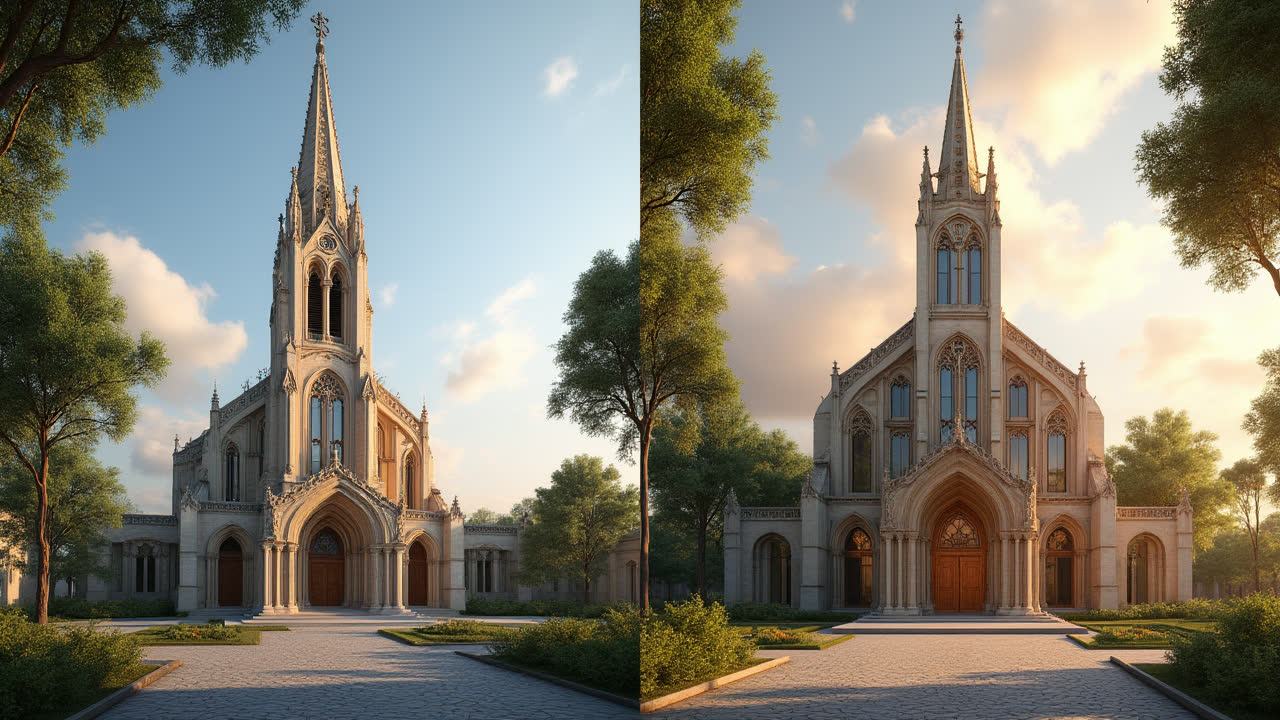
Understanding the Basic Definitions
When discussing religious buildings, terminology matters. A house of worship can take many forms across different faiths, but within Christianity, churches and chapels represent two of the most common structures. Before diving into their differences, let's establish clear definitions for each.
A church is typically defined as a standalone building specifically designed for Christian worship services. These structures serve as the primary gathering place for a congregation or parish and are usually operated by permanently assigned clergy. Churches come in various architectural styles—from Gothic cathedrals to modern designs—but they all share the common purpose of providing a dedicated space for communal worship.
On the other hand, a chapel refers to a smaller place of worship that is generally attached to or contained within another building or institution. You'll commonly find chapels in places like hospitals, universities, prisons, funeral homes, airports, and military bases. They provide spaces for prayer, reflection, and sometimes small services, but they don't typically function as independent religious institutions.
I remember visiting a historic university campus where the magnificent main church stood prominently at the center, while several small chapels were tucked away inside dormitories and academic buildings. The difference in scale and purpose was immediately apparent, even to someone unfamiliar with religious architecture.
Historical Context and Evolution
The distinction between churches and chapels has evolved over centuries. In medieval Europe, the church-chapel relationship developed as Christianity expanded. Large parish churches served broader communities, while chapels emerged to meet specialized needs. These early chapels often began as small prayer rooms within castles, manors, or other secular buildings.
During the Middle Ages, wealthy families sometimes built private chapels on their estates. These allowed them to worship without traveling to the parish church, especially during harsh weather or unrest. Though these private chapels required permission from church authorities, they represented an important step in the diversification of Christian worship spaces.
The Protestant Reformation brought further changes. As new denominations formed, the definition of what constituted a church versus a chapel sometimes shifted. In some Protestant traditions, "chapel" came to refer to the buildings of nonconformist denominations, regardless of size or independence.
Today's understanding of churches and chapels continues to evolve. In modern usage, size often plays a role in the distinction, but it's not the only factor. Institutional affiliation, governance, and purpose remain key differentiators. Isn't it fascinating how these religious spaces have adapted to changing societal needs while maintaining their core spiritual functions?
Key Differences Between Churches and Chapels
Understanding the nuances that separate churches from chapels helps us appreciate the rich diversity of Christian worship spaces. Here's a comprehensive look at their most significant differences:
| Characteristic | Church | Chapel |
|---|---|---|
| Structure | Independent, standalone building | Attached to or part of another institution |
| Size | Generally larger; accommodates more worshippers | Usually smaller; designed for fewer people |
| Purpose | Primary place of worship for a congregation | Supplementary space for prayer or small services |
| Administration | Has dedicated clergy and administrative staff | Often staffed part-time or by visiting clergy |
| Religious Affiliation | Usually dedicated to a specific denomination | Can be multi-faith or serve various denominations |
| Services | Regular scheduled services, sacraments, and events | Limited services, often on special occasions |
| Governance | Self-governing or part of a denominational structure | Typically governed by the host institution |
| Architectural Features | Often includes bell towers, naves, transepts, etc. | Simpler design, fewer architectural elements |
Types of Chapels
Chapels serve diverse needs within various contexts. Understanding the different types can help clarify their role in religious practice:
Institutional chapels are perhaps the most common type today. These include chapels in hospitals, where patients and families seek comfort during difficult times; university chapels, which serve campus communities; and military chapels, providing spiritual support for service members. These spaces often accommodate multiple faiths, reflecting the diverse populations they serve.
Another category includes memorial chapels, which honor the deceased and provide space for funeral services or quiet reflection. Funeral homes commonly maintain chapels for services, while cemeteries might feature memorial chapels for committal ceremonies. These specialized spaces are designed with mourning and remembrance in mind.
Some chapels serve as satellite worship spaces for larger churches. These "daughter chapels" or "chapel of ease" historically allowed people in remote areas to worship without traveling long distances to the main parish church. In modern contexts, growing congregations might establish chapel locations to serve different geographic areas before developing them into full churches.
Private or family chapels continue to exist in some contexts. Wealthy families or individuals might maintain personal chapels within their estates. Similarly, some religious orders maintain private chapels for their exclusive use. These spaces often reflect the personal religious preferences of their owners.
Famous Examples Around the World
Some chapels achieve fame that rivals or exceeds many churches, despite their technical classification. The Sistine Chapel in Vatican City stands as perhaps the world's most famous chapel. Though technically a chapel within the Apostolic Palace, its artistic significance—particularly Michelangelo's ceiling—has made it a global icon. Yet it remains fundamentally a chapel, serving the papal household rather than a general congregation.
Another renowned example is Sainte-Chapelle in Paris, commissioned by King Louis IX to house precious relics. Its stunning stained glass windows make it an architectural masterpiece, yet it was designed as a royal chapel within the medieval Palais de la Cité, not as a parish church.
In contrast, landmark churches like Notre-Dame Cathedral in Paris, St. Peter's Basilica in Vatican City, and Westminster Abbey in London represent the grand scale and independent nature typical of churches. These massive structures serve as centers of worship for large congregations and often play significant roles in their denominations' hierarchies.
Modern examples continue to illustrate the distinction. The Thorncrown Chapel in Arkansas, a small glass structure in the woods, exemplifies the intimate scale and specialized purpose of chapels. Meanwhile, churches like Brazil's Cathedral of Brasília or Spain's Sagrada Família demonstrate the monumental scale and community focus characteristic of churches.
I once attended a small service in a historic castle chapel while traveling through Europe. Despite its modest size, the chapel's ancient stonework and quiet dignity created an atmosphere of reverence that rivaled many larger churches I've visited. The experience highlighted how the essence of these spaces transcends mere classification.
Practical Implications of the Differences
The distinctions between churches and chapels extend beyond academic interest—they have practical implications for worshippers and visitors. For instance, if you're planning a wedding, understanding these differences matters. Churches typically offer full wedding services to their members but may have restrictions for non-members. Chapels, especially those in wedding venues or hotels, often provide more flexibility but might lack the religious significance important to some couples.
For travelers interested in religious architecture, recognizing the church-chapel distinction helps set appropriate expectations. Churches generally offer more extensive visiting hours, guided tours, and historical information. Chapels within institutions like hospitals or universities might have limited public access or require special permission to visit.
From a community perspective, churches typically serve as social hubs offering various programs beyond worship—from community meals to educational classes. Chapels rarely provide such extensive community services, focusing instead on their specialized purpose within their host institution.
Religious practitioners should note that sacramental availability may differ. Churches generally offer a full range of sacraments or ordinances, while chapels might provide limited services depending on their staffing and purpose. Baptisms, weddings, and funerals might require special arrangements in chapel settings.
Frequently Asked Questions
Can a chapel become a church?
Yes, a chapel can evolve into a church under certain circumstances. This typically happens when a chapel originally built to serve a specific population or purpose grows to accommodate a larger congregation and takes on more independent functions. For example, a university chapel might eventually serve the surrounding community and develop its own administrative structure, effectively transitioning into a church. This evolution usually involves physical expansion, establishment of regular worship schedules, and organizational independence from the original host institution.
Are chapels only found in Christian contexts?
While the term "chapel" originated in Christian tradition, similar concepts exist across various religions. Many modern institutional chapels, particularly in public settings like hospitals and airports, are designed as interfaith or multi-faith spaces to accommodate diverse spiritual needs. These spaces might avoid specific religious imagery in favor of universal symbols or natural elements that create a sense of peace and reflection. Some might even provide separate areas or movable furnishings to accommodate different worship practices. However, the specific term "chapel" remains primarily associated with Christian tradition.
What's the difference between a chapel and an oratory?
The distinction between chapels and oratories is subtle and varies across different Christian traditions. In Catholic canon law, an oratory is specifically designated for the worship of a particular group or community and isn't open to the general public. It's typically smaller and more private than a chapel. For example, a religious order might have an oratory for their exclusive use. A chapel, while still smaller than a church, is generally more accessible to a broader population. In practice, many people use these terms interchangeably, and the technical distinctions matter most in formal ecclesiastical contexts rather than everyday usage.
Conclusion
While both churches and chapels serve as sacred spaces for worship, their differences illuminate the rich diversity within religious architecture and practice. Churches stand as independent centerpieces of religious communities, while chapels offer specialized spiritual spaces within broader contexts. This distinction reflects how religious practice adapts to different needs and settings—from grand communal worship to intimate personal prayer.
As you encounter these spaces in your travels or daily life, understanding their unique purposes can enhance your appreciation of their architectural and spiritual significance. Whether you're attending a service in a magnificent cathedral or seeking a moment of quiet reflection in a hospital chapel, each space offers its own meaningful connection to the divine.
Have you noticed other differences between churches and chapels in your experience? Perhaps regional variations or denominational distinctions add further nuance to this topic. The conversation about sacred spaces continues to evolve, just as these buildings themselves adapt to changing spiritual needs in our modern world.