Delta vs Estuary: 8 Critical Differences You Need to Know
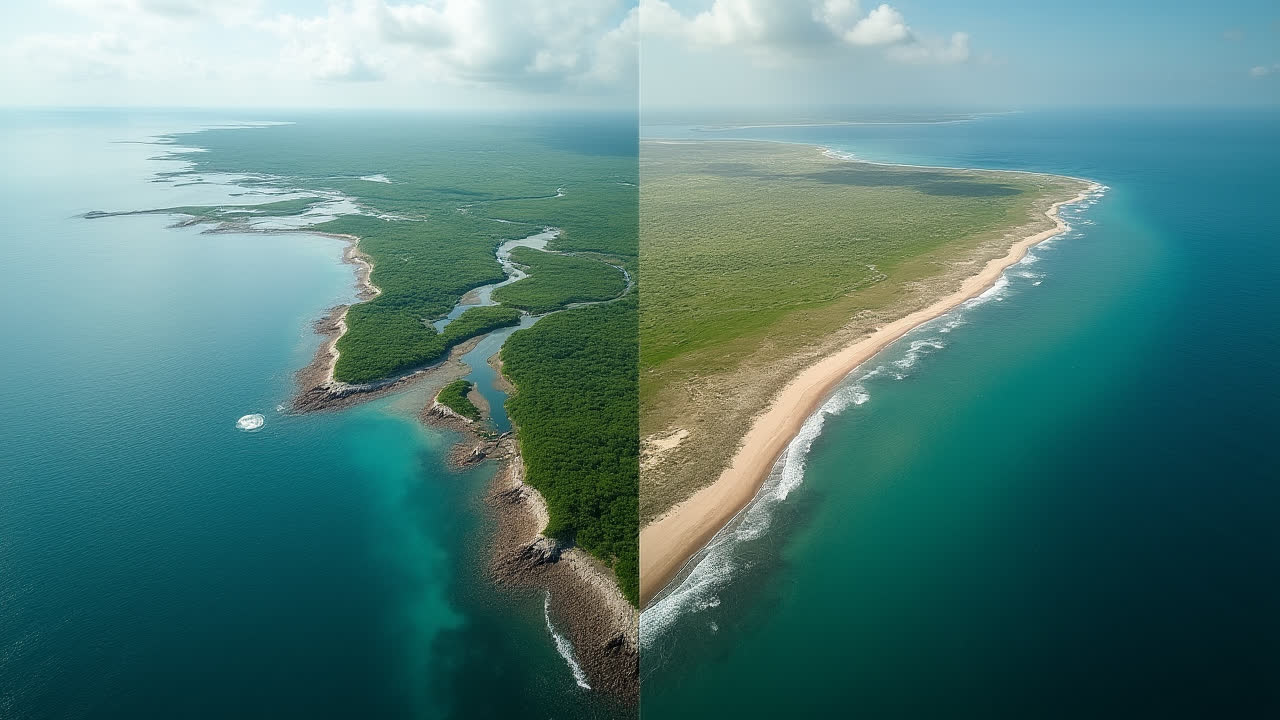
When exploring coastal landscapes, you'll encounter fascinating landforms where rivers meet larger bodies of water. Two of the most significant yet often confused features are deltas and estuaries. While both form at river mouths, they develop under different conditions and have distinct characteristics. Have you ever wondered why some river mouths extend into the sea while others appear to be swallowed by it?
The main difference between a delta and an estuary lies in their formation process and sediment distribution. In a delta, sediments accumulate seaward of the average shoreline, building land outward into the ocean or lake. In contrast, an estuary forms when sediments accumulate within the river valley as ocean waters flood upstream. This fundamental distinction creates entirely different ecosystems and landscapes that serve unique ecological functions.
Understanding these coastal landforms is crucial for environmental science, geography, and conservation efforts. They're not just geological curiosities – they're vital habitats supporting diverse species and have played significant roles in human civilization throughout history. Let's dive deeper into what makes each of these landforms special and how they compare.
What is a Delta?
A river delta is a distinctive landform created when a river carries sediment to its mouth where it meets a slower-moving body of water such as an ocean, sea, lake, or reservoir. As the river's flow velocity decreases upon entering these calmer waters, it loses its capacity to transport sediment, resulting in deposition. This accumulated sediment gradually builds outward, extending the coastline and forming new land.
The name "delta" comes from the Greek letter delta (Δ), which resembles the triangular shape of many river deltas when viewed from above. However, not all deltas share this triangular form. Their shapes vary widely depending on several factors, including the river's sediment load, the receiving water body's characteristics, and local wave and tidal conditions.
Deltas typically form in areas with specific conditions: the river must carry sufficient sediment, wave action should be relatively mild, and tidal influences shouldn't be too strong. When these conditions align, the deposited sediment can accumulate faster than it's washed away, allowing the delta to grow and stabilize.
Throughout human history, deltas have been cradles of civilization. Their fertile soils, created by nutrient-rich sediment deposition, make them exceptional agricultural lands. The ancient Egyptian civilization flourished along the Nile Delta, while the Ganges-Brahmaputra Delta supports one of the world's densest populations. Today, these areas remain agricultural powerhouses, though they face increasing threats from sea-level rise and reduced sediment flow due to upstream dams.
Ecologically, deltas are incredibly diverse. They create a patchwork of habitats including wetlands, marshes, and small islands that support numerous plant and animal species. Birds use these areas as crucial stopover points during migration, while many fish species rely on delta waters for spawning. This biodiversity makes deltas not just geologically interesting but ecologically invaluable.
What is an Estuary?
An estuary is a partially enclosed coastal water body where freshwater from rivers or streams mixes with saltwater from the ocean. This mixing creates brackish water – water that's saltier than freshwater but less salty than seawater. Unlike deltas that build outward, estuaries form when sea levels rise and flood existing river valleys, creating these distinctive mixing zones.
The dynamic nature of estuaries creates one of Earth's most productive ecosystems. The constant circulation of nutrients from both freshwater and marine sources fuels exceptional biological productivity. Estuaries serve as "nurseries of the sea," providing protected spawning and development areas for countless fish and shellfish species, including many commercially important ones. In fact, more than 75% of commercial seafood species in the United States depend on estuaries at some point in their life cycles.
Estuaries come in several distinct types, each formed through different geological processes. Coastal plain estuaries, like the Chesapeake Bay, form when rising sea levels flood river valleys. Tectonic estuaries like San Francisco Bay result from geological activity along fault lines. Bar-built estuaries develop when sandbars or barrier islands partially separate the river mouth from the ocean. Fjord estuaries, common in Norway and New Zealand, form when glaciers carve deep valleys that later flood with seawater.
Beyond their ecological importance, estuaries provide vital services to human communities. They act as natural buffers against storms and flooding, with their wetlands absorbing excess water and reducing wave energy. They improve water quality by filtering pollutants and sediments. Many major cities worldwide – including New York, Sydney, and London – developed around estuaries because they offered protected harbors for shipping while maintaining access to inland waterways.
Despite their tremendous value, estuaries face serious threats from human activities. Pollution, habitat destruction, invasive species, and climate change all endanger these fragile ecosystems. Their location at the interface between land and sea makes them particularly vulnerable to sea-level rise, while upstream development affects freshwater inputs and sediment delivery. Protecting these vital transition zones requires careful management and conservation efforts.
Delta vs Estuary: Detailed Comparison
| Feature | Delta | Estuary |
|---|---|---|
| Formation Process | Forms when rivers deposit sediment faster than it can be removed by waves or tides | Forms when sea level rises and floods river valleys or when coastal depressions fill with water |
| Sediment Accumulation | Sediments accumulate seaward of the shoreline, building outward | Sediments accumulate within the river valley |
| Water Salinity | Primarily freshwater with minimal saltwater mixing | Brackish water (mixture of fresh and saltwater) |
| Ideal Formation Conditions | Areas with low tidal range and limited wave action | Areas with rift valleys, drowned river mouths, or high tidal influence |
| Landform Direction | Extends outward from the original coastline | Extends inland from the coastline |
| Typical Shapes | Often triangular or bird's foot shaped (though varies widely) | Usually elongated following the river valley's contours |
| Water Movement | Primarily unidirectional (river to sea) | Bidirectional flow influenced by tides |
| Famous Examples | Mississippi Delta, Nile Delta, Ganges-Brahmaputra Delta | Chesapeake Bay, San Francisco Bay, Sydney Harbour |
Ecological Importance of Deltas and Estuaries
Both deltas and estuaries hold immense ecological value, serving as critical transition zones between terrestrial and aquatic environments. These unique ecosystems harbor extraordinary biodiversity and provide essential ecological services that benefit both wildlife and human communities. Their positioning at the interface of freshwater and marine environments creates distinctive conditions that support specialized plants and animals found nowhere else.
Deltas are among the world's most fertile regions due to the continuous deposition of nutrient-rich sediments. This natural fertility has made them agricultural hotspots throughout human history. The gradual building of new land creates a dynamic mosaic of habitats including distributary channels, wetlands, and forested areas. Each of these microhabitats supports different ecological communities, contributing to the delta's overall biodiversity. Many bird species rely on delta wetlands for nesting and migratory stopover points, while the shallow waters provide ideal spawning grounds for numerous fish species.
Estuaries, often called "nurseries of the sea," are among the most productive ecosystems on Earth. The mixing of freshwater and saltwater creates unique chemical and physical conditions that support specialized organisms adapted to varying salinity levels. The sheltered waters provide crucial habitat for juvenile fish and shellfish, with studies showing that over 75% of commercial seafood species depend on estuaries during at least one life stage. The wetlands surrounding estuaries act as natural filters, removing pollutants and excess nutrients before they reach the ocean, thereby improving water quality and protecting marine ecosystems.
Both landforms play crucial roles in carbon sequestration, with their wetland vegetation capturing and storing atmospheric carbon dioxide. This "blue carbon" storage capability makes them important players in climate change mitigation. Additionally, these coastal features serve as natural buffers against storms and flooding, with their complex vegetation and landforms absorbing wave energy and excess water during extreme weather events.
Despite their ecological significance, both deltas and estuaries face severe threats worldwide. Human development has altered or destroyed many of these habitats, while pollution from agricultural runoff, industrial discharges, and urban waste degrades water quality. Climate change poses perhaps the greatest challenge, with rising sea levels threatening to drown deltas and alter estuarine salinity patterns. Upstream dams on many rivers have drastically reduced sediment flow to deltas, preventing their natural replenishment and leading to subsidence and erosion.
Conservation efforts for these vital ecosystems must address these multiple threats through integrated approaches. Sustainable management requires balancing human needs with ecological preservation, often involving complex trade-offs and careful planning. Restoration projects worldwide are working to rebuild damaged delta and estuarine habitats, while protected area designations help safeguard remaining pristine examples of these remarkable landforms.
Frequently Asked Questions
Can a river have both a delta and an estuary?
Yes, a river can form both a delta and an estuary, though this is relatively uncommon. This typically happens when a river with high sediment load empties into a coastal area with specific geological conditions. The river may form a delta at its mouth while an estuarine environment exists further upstream where saltwater intrudes into the river channel. The Yangtze River in China demonstrates this dual system, with a delta formation at its mouth while exhibiting estuarine characteristics further inland. The balance between sediment deposition, tidal influence, and coastal geography determines whether one, both, or neither landform develops.
How do human activities affect deltas and estuaries?
Human activities significantly impact both deltas and estuaries in numerous ways. Dam construction on rivers reduces sediment flow to deltas, preventing natural replenishment and leading to subsidence and erosion. Urban and agricultural development destroys wetland habitats and introduces pollutants, including nutrients that cause harmful algal blooms. Dredging for navigation alters natural water flow patterns and disturbs bottom habitats. Climate change, driven by human activities, raises sea levels that threaten to drown these coastal landforms. Additionally, groundwater extraction in delta regions accelerates land subsidence, while industrial activities often introduce toxic contaminants. Conservation efforts must address these multiple threats through integrated management approaches.
Why are deltas and estuaries important for biodiversity?
Deltas and estuaries are biodiversity hotspots due to their unique positioning at the interface between freshwater and marine environments. This creates a gradient of conditions that supports diverse specialized species adapted to different salinity levels. The high nutrient availability in these systems fuels exceptional productivity, forming the base of complex food webs. Their sheltered waters provide critical nursery habitat for numerous fish and invertebrate species, including many commercially important ones. Migratory birds rely on these areas for feeding and resting during long journeys. The mosaic of microhabitats within deltas and estuaries—including channels, tidal flats, marshes, and forested wetlands—each supports different ecological communities, further enhancing their biodiversity value.
Conclusion
Understanding the difference between deltas and estuaries goes beyond academic interest—it provides key insights into how rivers interact with larger water bodies to create some of Earth's most productive and dynamic ecosystems. While both form where rivers meet the sea, their contrasting formation processes create distinctly different landscapes with unique ecological characteristics.
Deltas result from sediment accumulation that builds land outward into the sea, creating fertile plains with distributary channels. Estuaries, conversely, form when seawater floods into river valleys, creating brackish water environments with bidirectional water flow influenced by tides. This fundamental difference in sediment distribution—seaward for deltas, within the river valley for estuaries—determines their physical structure and ecological functioning.
Both landforms hold immense value for biodiversity conservation, climate change mitigation, and human communities. They provide crucial habitat for countless species, store carbon in their wetlands, protect coastlines from storms, and support fisheries that feed millions. Their historical importance for human settlement and agriculture continues today, making their conservation essential for both environmental and economic reasons.
As we face increasing environmental challenges from climate change, pollution, and development pressures, protecting these vital coastal features becomes increasingly urgent. Understanding the unique characteristics and functions of deltas and estuaries is the first step toward appreciating their value and implementing effective conservation strategies. Whether you're a student, scientist, policymaker, or simply someone who loves coastal environments, recognizing the differences between these remarkable landforms enriches our connection to the natural world and underscores the importance of preserving them for future generations.