Dipladenia vs Mandevilla: Complete Growing Guide & Differences
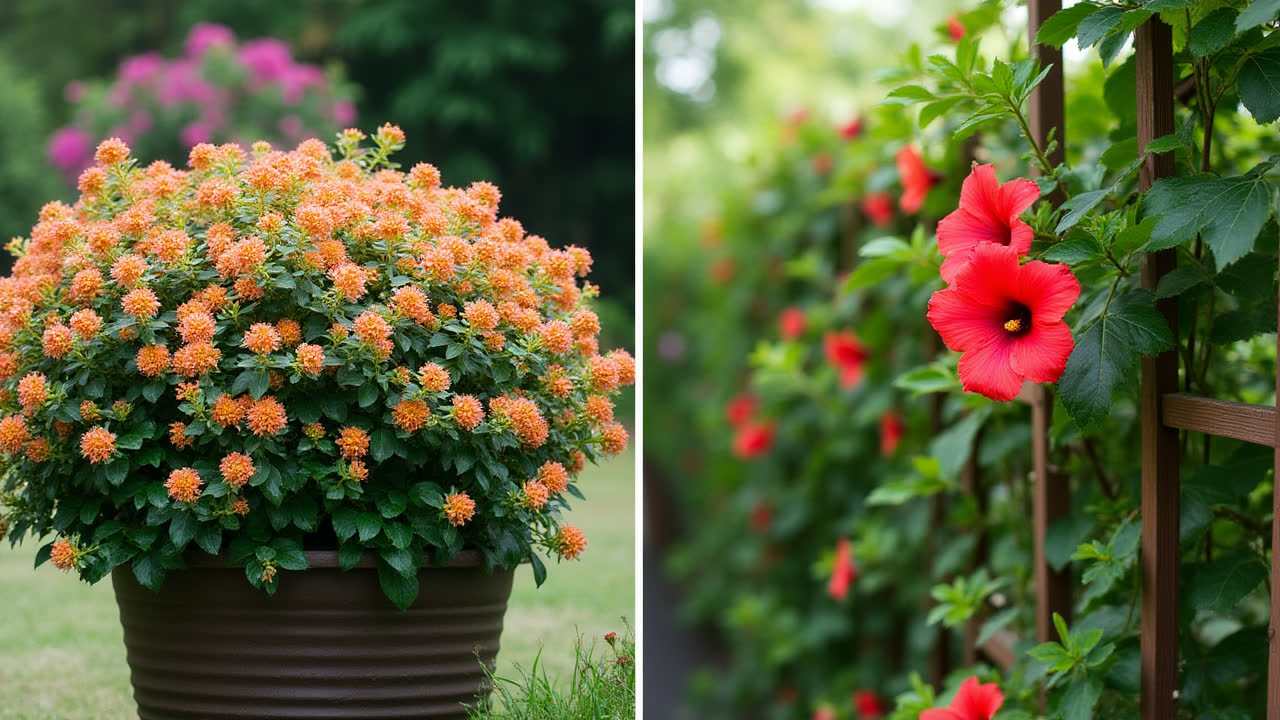
Are you confused about the difference between Dipladenia and Mandevilla? You're not alone! These stunning tropical plants are often mistaken for one another, and for good reason. While Dipladenia is actually a type of Mandevilla, there are several key differences that set them apart in terms of growth habits, appearance, and care requirements.
I've been growing both plants in my garden for years, and I can tell you that knowing the distinctions between them will help you choose the right one for your space and ensure they thrive. Whether you're looking to add vibrant colors to your patio or create a stunning vertical garden, understanding these tropical beauties is essential for garden success.
In this comprehensive guide, we'll explore everything you need to know about Dipladenia and Mandevilla plants, from their distinctive characteristics to care tips that will keep them blooming beautifully season after season. Let's dive in and unravel the mysteries of these gorgeous flowering plants!
What is Dipladenia? Key Characteristics & Growing Habits
Dipladenia is a genus of tropical flowering plants native to South America, particularly Brazil. These plants are known for their bushy, compact growth habit and vibrant flowers that bloom throughout the growing season. What makes Dipladenia stand out is how it grows naturally in a bush-like form rather than climbing, with stems that tend to cascade downward when placed in hanging baskets.
One of the most distinctive features of Dipladenia is its foliage. The leaves are typically dark green with a glossy appearance, heart-shaped, and have a slightly pointed tip. They're smaller and more compact than Mandevilla leaves, contributing to the plant's bushier appearance. The texture of Dipladenia leaves feels smooth and somewhat leathery to the touch.
When it comes to flowers, Dipladenia produces smaller blooms compared to Mandevilla, but they're no less beautiful. The flowers are trumpet-shaped and come in various colors including pink, white, and red. Have you ever noticed how these flowers seem to attract butterflies and hummingbirds? That's because their tubular shape and bright colors are particularly appealing to these pollinators.
Dipladenia plants are relatively easier to maintain and care for, making them perfect for gardeners of all experience levels. They prefer full sun exposure but can tolerate partial shade, especially in hotter climates. I've found that placing my Dipladenia in a spot that gets morning sun and afternoon shade produces the best blooms without leaf burn. These plants are also quite drought-tolerant once established, though they perform best with consistent moisture.
What I love most about Dipladenias is their versatility in garden design. Their compact size makes them ideal for containers, window boxes, and hanging baskets. They can create a beautiful cascading effect when placed in elevated planters or serve as colorful ground cover in warmer regions where they can be planted directly in the garden soil.
What is Mandevilla? Distinctive Features & Growth Patterns
Mandevilla is a genus of tropical and subtropical flowering vines that belongs to the Apocynaceae family. Unlike Dipladenia, Mandevilla plants are true climbers, with a vigorous growth habit that allows them to ascend trellises, pergolas, and other support structures. This climbing nature is perhaps the most significant difference between the two plants, making Mandevilla perfect for creating dramatic vertical displays in your garden.
The foliage of Mandevilla is quite distinctive. The leaves are longer, narrower, and more textured than those of Dipladenia. They typically have an oblong shape with a pronounced vein pattern that gives them a slightly rough texture. The color is usually a medium to dark green, and while they have some glossiness, it's not as pronounced as the shine on Dipladenia leaves.
When it comes to flowering, Mandevilla truly shines with its large, showy blooms that can measure up to 4 inches across on some varieties. The flowers maintain the characteristic trumpet shape but are significantly larger than those produced by Dipladenia. Traditional Mandevilla varieties were known for their vibrant red flowers, but modern cultivars now offer a rainbow of options including pink, white, yellow, and even apricot tones.
Caring for Mandevilla involves some specific requirements due to its vigorous growth habit. These plants need strong support structures as they can grow quite tall – sometimes reaching 10 feet or more in a single season! I recall planting a Mandevilla by my garden fence one spring, and by mid-summer, it had completely transformed the space with its lush foliage and spectacular red blooms climbing all the way to the top.
Mandevilla vines thrive in full sun conditions but appreciate some afternoon shade in particularly hot climates. They require well-draining soil with consistent moisture and benefit from regular feeding during the growing season. While they're relatively low-maintenance once established, their climbing nature means you'll need to provide guidance and support as they grow, occasionally training new stems toward their support structure.
Comprehensive Comparison: Dipladenia vs Mandevilla
| Feature | Dipladenia | Mandevilla |
|---|---|---|
| Growth Habit | Bushy, compact, trailing downward | Vining, climbing upward |
| Height | 1-2 feet tall without support | Can grow 10+ feet tall with support |
| Leaf Shape | Heart-shaped, glossy, smaller | Oblong, textured, larger |
| Flower Size | Smaller (1-2 inches diameter) | Larger (3-4 inches diameter) |
| Traditional Color | Pink (now available in various colors) | Red (now available in various colors) |
| Container Suitability | Excellent for hanging baskets | Better in floor pots with trellises |
| Winter Hardiness | USDA Zones 9-11 | USDA Zones 9-11 |
| Maintenance Level | Lower (less pruning required) | Higher (needs training and support) |
While both plants share the same tropical heritage and similar care requirements, their growth habits make them suitable for different garden applications. I've used Dipladenia in hanging baskets on my patio where its trailing habit creates a beautiful cascade of flowers, while Mandevilla adorns my garden trellis, providing a stunning vertical accent that draws the eye upward.
Care Guidelines for Dipladenia and Mandevilla
Despite their differences, Dipladenia and Mandevilla share similar care requirements owing to their tropical origins. Both plants thrive in warm conditions and cannot tolerate frost or prolonged exposure to temperatures below 50°F (10°C). If you live in a region with cold winters (below USDA Zone 9), you'll need to grow these plants as annuals or bring them indoors during the colder months.
When it comes to soil, both plants prefer a well-draining mix rich in organic matter. I've had great success using a mixture of regular potting soil amended with perlite and compost, which provides the perfect balance of nutrients and drainage. Poor drainage can quickly lead to root rot, which is one of the few serious issues these plants face.
Watering needs are moderate for both plants. Allow the top inch of soil to dry out between waterings, then water thoroughly until moisture runs out of the drainage holes. During hot summer months, you might need to water more frequently, while in cooler periods, reduce watering to prevent soggy soil. I've noticed that both plants are somewhat forgiving if you forget to water occasionally – they're more tolerant of drought than overwatering.
Fertilization is important for promoting abundant blooms. Use a balanced, water-soluble fertilizer formulated for flowering plants every 2-3 weeks during the growing season. I've found that fertilizers with a slightly higher phosphorus content (the middle number in the NPK ratio) encourage more prolific flowering. Reduce or eliminate fertilization during fall and winter when growth naturally slows.
Pruning is where care requirements differ slightly between the two plants. Dipladenia typically needs minimal pruning – just remove dead or damaged growth and occasionally trim to maintain shape. Mandevilla, on the other hand, benefits from more regular pruning to control its vigorous growth and encourage bushiness. Early spring is the best time for major pruning, before the active growing season begins.
Pest management is relatively straightforward for both plants. They may occasionally attract aphids, spider mites, or mealybugs, especially when grown indoors. Regular inspection and prompt treatment with insecticidal soap or neem oil usually resolves these issues. I've found that maintaining good air circulation around the plants and avoiding overhead watering helps prevent many pest and disease problems.
Choosing Between Dipladenia and Mandevilla For Your Garden
Selecting the right plant depends largely on your specific gardening goals and available space. If you're looking for a plant to fill hanging baskets or container gardens with a compact, trailing habit, Dipladenia is your best choice. Its bushy growth and naturally controlled size make it perfect for smaller spaces and situations where you want colorful blooms without aggressive growth.
For creating vertical interest or covering unsightly walls and fences, Mandevilla is the clear winner. Its climbing nature allows it to transform vertical spaces into flowering displays that can reach impressive heights in a single growing season. Just remember that you'll need to provide adequate support structures and be prepared to guide its growth.
Consider your maintenance preferences as well. Dipladenia generally requires less intervention – once established in an appropriate container with good soil, it needs minimal pruning and training. Mandevilla, while not particularly high-maintenance, does require more attention to training, supporting, and occasionally containing its vigorous growth.
Climate considerations should also factor into your decision. Both plants are tropical in origin and share similar temperature preferences, but Dipladenia can sometimes be slightly more tolerant of heat and drought once established. If you live in an area with extremely hot summers, you might find Dipladenia a bit easier to maintain through the hottest months.
Of course, there's no rule saying you can't enjoy both plants in your garden! I've found that using Dipladenia in containers around my patio and Mandevilla on trellises in the garden creates a cohesive look while taking advantage of each plant's natural growth habits. The similar flower shapes and complementary colors create a beautiful theme throughout the outdoor space.
Frequently Asked Questions About Dipladenia and Mandevilla
Can Dipladenia be trained to climb like Mandevilla?
While Dipladenia naturally grows as a bush with trailing stems, it can be trained to climb to some extent with proper support and guidance. However, it won't climb as vigorously or reach the heights that Mandevilla can. If you want to train your Dipladenia upward, provide a small trellis or stakes and gently tie the stems to the support as they grow. Keep in mind that you'll need to be more hands-on with this process compared to Mandevilla, which naturally seeks vertical surfaces to climb. For significant vertical coverage, Mandevilla remains the better choice.
Do Dipladenia and Mandevilla plants come back every year?
Both Dipladenia and Mandevilla are perennial plants in USDA hardiness zones 9-11 where temperatures rarely drop below 45-50°F (7-10°C). In these warm climates, they can come back year after year, often growing larger and more impressive with age. In colder regions (zones 8 and below), they're typically grown as annuals or must be overwintered indoors. To overwinter either plant, place it in a bright location that stays above 50°F, reduce watering significantly, and hold off on fertilizing until spring. Some leaf drop is normal during this dormant period. When spring arrives, gradually reintroduce the plant to outdoor conditions after all danger of frost has passed.
Why aren't my Dipladenia or Mandevilla plants flowering?
Several factors can affect flowering in both plants. The most common reasons include insufficient light (both plants need at least 6 hours of direct sunlight daily to bloom well), improper fertilization (too much nitrogen promotes foliage growth at the expense of flowers), or temperature stress (temperatures below 50°F or above 95°F can inhibit flowering). Other possible causes include overwatering, poor drainage, or pest problems. To encourage blooming, ensure your plant receives adequate sunlight, use a flower-promoting fertilizer with higher phosphorus content, maintain consistent watering without overwatering, and check regularly for pests. If you've recently repotted the plant, it might also be experiencing transplant shock and will resume flowering once established.
Final Thoughts: Embracing These Tropical Beauties in Your Garden
Understanding the differences between Dipladenia and Mandevilla helps you make informed choices for your garden and ensures these tropical beauties thrive in their new home. While they share many similarities as members of the same plant family, their distinct growth habits make them suitable for different applications in the garden landscape.
Remember that Dipladenia's bushy, compact form makes it perfect for containers, hanging baskets, and smaller spaces where you want colorful blooms without aggressive growth. Mandevilla, with its vigorous climbing habit, excels at creating vertical interest and covering walls, fences, and pergolas with lush foliage and spectacular flowers.
Whichever plant you choose – or if you decide to grow both – you'll be rewarded with stunning tropical blooms that can transform your outdoor space. With proper care and placement that honors their natural growth habits, both Dipladenia and Mandevilla can become standout features in your garden for many seasons to come.
Have you grown either of these plants in your garden? Each has its unique charm, and I'd love to know which one you prefer! Whether you're team Dipladenia or team Mandevilla, there's no denying that these tropical flowering plants add a touch of exotic beauty to any garden setting.

Related Posts