DNA Methylation vs Histone Methylation: Key Differences & Functions
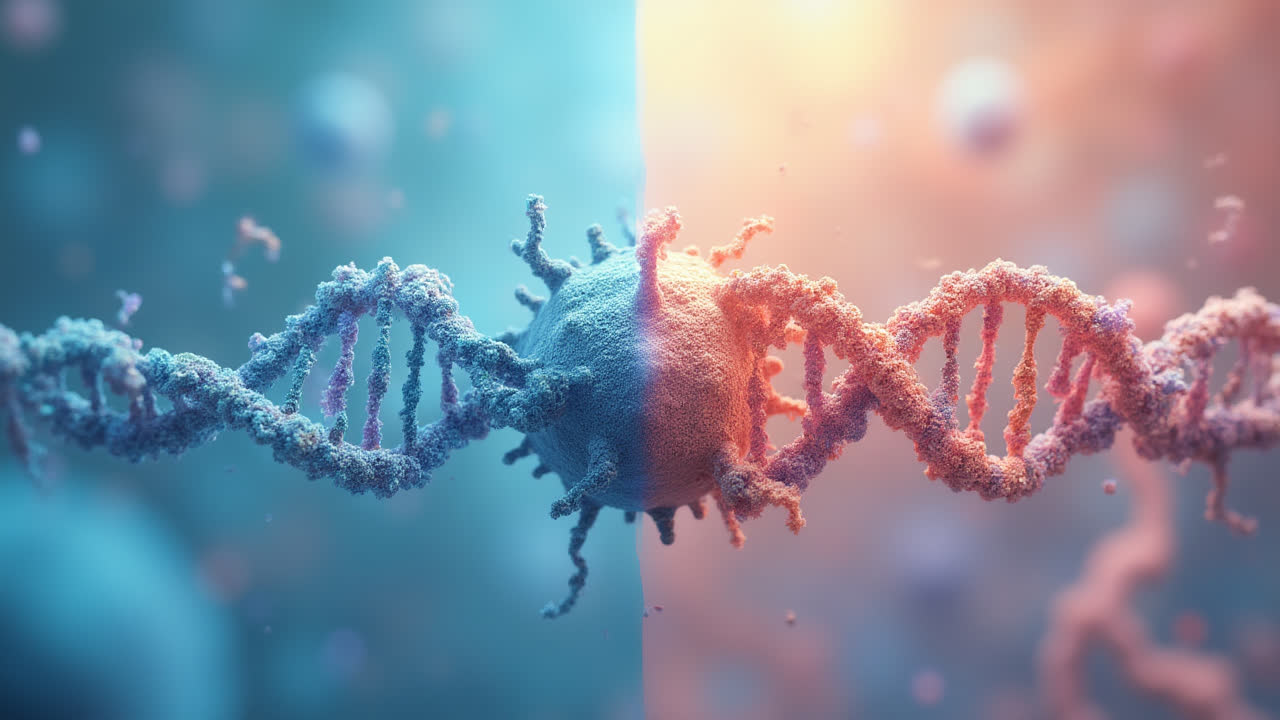
The fascinating world of epigenetics has revolutionized our understanding of how genes are regulated. At the heart of this field are two crucial processes: DNA methylation and histone methylation. While both involve the addition of methyl groups, they operate in distinctly different ways to control gene expression and cellular function. Have you ever wondered how cells with identical DNA can develop into completely different tissues? These methylation processes hold many of the answers.
When scientists first discovered that genes could be turned "on" and "off" without changing the underlying DNA sequence, it opened up an entirely new dimension of genetic regulation. These epigenetic modifications act like molecular switches, determining which genes are expressed and which remain silent. Understanding the differences between DNA and histone methylation is essential for grasping how our bodies develop, age, and sometimes fall prey to disease.
In this comprehensive guide, we'll explore the key differences between these two methylation types, their biological significance, and how they work together to orchestrate the complex symphony of gene expression. Whether you're a student, researcher, or simply curious about the molecular mechanisms that shape life, this comparison will provide valuable insights into these fundamental epigenetic processes.
What is DNA Methylation?
DNA methylation represents one of the most well-studied epigenetic modifications in the genome. At its core, this process involves the addition of a methyl group (CH₃) to the cytosine bases of DNA, particularly at sites where cytosine is followed by guanine, known as CpG dinucleotides. These regions, often clustered in what we call "CpG islands," are frequently found near gene promoters, where they play a critical role in regulating gene expression.
The enzymes responsible for this chemical modification are known as DNA methyltransferases (DNMTs). These molecular workers transfer methyl groups from S-adenosyl methionine (SAM) to the fifth carbon position of cytosine residues. I've always found it fascinating how these tiny chemical changes can have such profound effects on cellular function! When methylation occurs in promoter regions, it typically results in transcriptional repression, effectively silencing the associated gene.
In mammals, roughly 75% of CpG dinucleotides are methylated in somatic cells, though this pattern varies significantly across different cell types and developmental stages. DNA methylation plays an indispensable role in normal development, contributing to crucial biological processes like genomic imprinting, X-chromosome inactivation, and the repression of transposable elements that might otherwise damage the genome. It's like a security system that helps maintain genomic stability and cellular identity.
The pattern of DNA methylation represents a kind of cellular memory, allowing cells to "remember" their identity through countless divisions. This is why a liver cell stays a liver cell and doesn't suddenly transform into a neuron. When this memory system fails, serious consequences can follow, including various developmental disorders and cancer. In fact, aberrant DNA methylation patterns are one of the hallmarks of cancer, highlighting the critical importance of this epigenetic mechanism in maintaining cellular health.
What is Histone Methylation?
While DNA methylation acts directly on our genetic material, histone methylation takes a different approach by targeting the proteins that organize and package DNA. Histones are the spool-like proteins around which DNA wraps to form nucleosomes, the basic structural units of chromatin. These proteins have "tails" that extend outward from the nucleosome core, providing perfect targets for various chemical modifications, including methylation.
Histone methylation involves the addition of methyl groups to specific amino acids in histone proteins—primarily lysine and arginine residues. Unlike DNA methylation, which generally represses gene activity, histone methylation can either activate or repress transcription, depending on which amino acid is modified and how many methyl groups are added. This versatility makes histone methylation an incredibly nuanced regulatory mechanism. Sometimes I think of it as a sophisticated dimmer switch rather than a simple on/off toggle.
The enzymes that catalyze histone methylation are known as histone methyltransferases (HMTs), while histone demethylases remove these modifications. Together, they create a dynamic equilibrium that can rapidly respond to cellular needs. When methylation occurs at certain positions, such as lysine 4 of histone H3 (H3K4), it typically promotes gene expression. Conversely, methylation at positions like lysine 9 of histone H3 (H3K9) often leads to gene silencing.
What makes histone methylation particularly interesting is its role in establishing what scientists call "bivalent domains"—regions of chromatin that contain both activating and repressing histone modifications. These domains are especially common in stem cells, where they keep developmental genes poised for activation while temporarily restraining their expression. When the right signals arrive, these genes can be rapidly activated, allowing for the precise control necessary during cellular differentiation.
Key Similarities Between DNA and Histone Methylation
Before diving into their differences, it's worth noting the important similarities between these two epigenetic processes. Both DNA methylation and histone methylation involve the transfer of methyl groups from S-adenosyl methionine to their respective targets, whether DNA bases or histone amino acids. These modifications don't alter the underlying genetic sequence but instead change how that sequence is interpreted by the cellular machinery.
Both methylation types act as crucial regulatory mechanisms for gene expression, influencing which genes are active in particular cells at specific times. They're both reversible processes, allowing for dynamic responses to environmental changes and developmental cues. Additionally, both types of methylation are heritable through cell division, though histone methylation patterns tend to be somewhat less stable than DNA methylation patterns.
Perhaps most importantly, DNA and histone methylation don't operate in isolation. They communicate with and influence each other as part of an integrated epigenetic system. For instance, DNA methylation can recruit proteins that modify histones, and conversely, specific histone modifications can attract DNA methyltransferases. This cross-talk creates a sophisticated regulatory network that ensures proper gene expression patterns are maintained throughout development and adult life.
Comprehensive Comparison: DNA Methylation vs Histone Methylation
| Comparison Criteria | DNA Methylation | Histone Methylation |
|---|---|---|
| Target | DNA molecule (cytosine bases) | Histone proteins (amino acid residues) |
| Specific Sites | CpG dinucleotides, primarily in promoter regions | Lysine and arginine residues on histone tails |
| Effect on Gene Expression | Primarily repressive | Can be activating or repressive, depending on position |
| Responsible Enzymes | DNA methyltransferases (DNMTs) | Histone methyltransferases (HMTs) |
| Removal Process | Active demethylation via TET enzymes or passive dilution | Active demethylation by histone demethylases |
| Stability | Highly stable, persistent across cell divisions | Relatively less stable, more dynamic |
| Biological Functions | X-chromosome inactivation, genomic imprinting, suppression of transposable elements | Transcriptional regulation, chromatin organization, DNA repair, cell cycle control |
| Association with Disease | Cancer, imprinting disorders, developmental abnormalities | Cancer, neurological disorders, autoimmune diseases |
Biological Significance and Functions
The importance of both DNA and histone methylation extends far beyond basic gene regulation. These processes are fundamental to numerous biological phenomena that shape development, maintain cellular identity, and protect genomic integrity. For instance, DNA methylation plays a crucial role in genomic imprinting, a process where certain genes are expressed in a parent-of-origin-specific manner. Without proper methylation, serious developmental disorders like Prader-Willi syndrome and Angelman syndrome can occur.
Histone methylation, with its ability to both activate and repress genes, orchestrates the complex gene expression programs required during embryonic development and cellular differentiation. It helps establish and maintain cell type-specific gene expression patterns, ensuring that neurons express neuron-specific genes while liver cells express liver-specific ones. The flexibility of histone methylation also allows cells to respond rapidly to environmental changes and stress conditions.
Both methylation types are involved in silencing potentially harmful DNA elements. DNA methylation suppresses the activity of transposable elements (sometimes called "jumping genes") that could otherwise disrupt genome stability. Histone methylation, particularly H3K9 methylation, helps form heterochromatin, the tightly packed form of DNA that keeps certain regions of the genome transcriptionally inactive.
In recent years, researchers have increasingly recognized the importance of these epigenetic modifications in aging processes. Both DNA and histone methylation patterns change as we age, contributing to the gradual decline in cellular function and increased susceptibility to age-related diseases. Understanding these changes could potentially open new avenues for interventions that promote healthy aging—something many of us would certainly appreciate!
Implications in Disease and Therapeutic Potential
Aberrations in both DNA and histone methylation have been implicated in numerous diseases, most notably cancer. Cancer cells typically display global hypomethylation of DNA (which can activate oncogenes and destabilize the genome) alongside hypermethylation of tumor suppressor gene promoters (silencing their protective functions). Similarly, alterations in histone methylation patterns are common in various cancer types, contributing to dysregulated gene expression that drives tumor growth and progression.
Beyond cancer, methylation abnormalities have been linked to neurodevelopmental and neuropsychiatric disorders, autoimmune diseases, and metabolic conditions. For example, studies have found associations between altered histone methylation and conditions like autism spectrum disorders, schizophrenia, and lupus. The emerging field of environmental epigenetics is also revealing how external factors—from nutrition to stress and pollution—can influence methylation patterns and potentially contribute to disease susceptibility.
The reversible nature of epigenetic modifications makes them attractive targets for therapeutic intervention. Several epigenetic drugs, known as epidrugs, have already been approved for clinical use, particularly for treating certain types of cancer. These include DNA methyltransferase inhibitors like azacitidine and decitabine, as well as histone methyltransferase inhibitors. By restoring normal methylation patterns, these drugs can potentially reactivate silenced tumor suppressor genes and normalize gene expression.
Looking forward, the potential applications of epigenetic therapies extend well beyond cancer. Researchers are exploring their use in treating neurodegenerative diseases, autoimmune conditions, and even aging-related disorders. The specificity of modern epigenetic drugs is continually improving, reducing off-target effects and enhancing therapeutic efficacy. It's an exciting frontier in medicine that highlights the clinical relevance of understanding these fundamental methylation processes.
Techniques for Studying Methylation
Our understanding of DNA and histone methylation has been greatly advanced by sophisticated laboratory techniques. For DNA methylation, methods like bisulfite sequencing have become the gold standard. This technique converts unmethylated cytosines to uracil while leaving methylated cytosines unchanged, allowing researchers to map methylation patterns at single-base resolution. Newer approaches like nanopore sequencing can even detect DNA methylation directly, without chemical conversion.
Histone methylation is typically studied using chromatin immunoprecipitation (ChIP) followed by sequencing (ChIP-seq). This technique uses antibodies that specifically recognize methylated histones to pull down associated DNA fragments, which are then sequenced to determine their genomic locations. Mass spectrometry provides another powerful tool for analyzing histone modifications, offering precise quantification of different methylation states.
Recently, single-cell epigenomic techniques have revolutionized the field by allowing researchers to analyze methylation patterns in individual cells rather than bulk tissue samples. This has revealed previously unappreciated heterogeneity within seemingly uniform cell populations and provided new insights into cellular differentiation and disease progression. As these technologies continue to advance, our understanding of methylation dynamics will undoubtedly deepen further.
FAQ About DNA and Histone Methylation
How do environmental factors influence DNA and histone methylation?
Environmental factors can significantly impact both DNA and histone methylation patterns. Nutrition plays a major role, as methyl groups used in methylation reactions often come from dietary sources like folate, choline, and methionine. Exposure to toxins, stress, and even physical activity can alter methylation enzymes' activity. During critical developmental windows, these environmental influences may establish lasting methylation patterns that persist throughout life. This forms the basis of "developmental programming," where early-life exposures can affect disease risk in adulthood. The field of environmental epigenetics studies these interactions, revealing how our lifestyle and environment might affect gene expression without changing our DNA sequence.
Can methylation patterns be inherited across generations?
Transgenerational epigenetic inheritance—the transmission of methylation patterns from parents to offspring—remains a fascinating and controversial area of research. While DNA methylation patterns are largely erased during mammalian gametogenesis and early embryonic development (epigenetic reprogramming), some evidence suggests certain regions may escape this erasure. Animal studies have shown that environmental exposures like nutrition, stress, or toxins can influence offspring phenotypes through altered methylation. In humans, evidence for transgenerational epigenetic inheritance is more limited, though some studies suggest potential transmission of methylation changes associated with traumatic experiences or nutritional extremes. Researchers continue to investigate the extent and mechanisms of this inheritance, which challenges traditional views of heredity.
How do DNA and histone methylation interact with other epigenetic modifications?
DNA and histone methylation operate within a complex network of epigenetic modifications, creating what scientists call the "epigenetic code." Histone acetylation generally promotes gene expression by loosening chromatin structure, while histone methylation can either activate or repress genes depending on the specific site. DNA methylation often works cooperatively with repressive histone marks like H3K9 methylation to silence genes. Protein complexes called "readers" recognize specific modifications and recruit "writers" that add other modifications, creating reinforcing feedback loops. For example, methylated DNA can recruit histone deacetylases, removing activating acetyl marks from nearby histones. This cross-talk ensures coordinated gene regulation and cellular memory. The combination of different modifications at specific genomic regions determines chromatin accessibility and transcriptional outcomes, adding tremendous complexity and precision to gene regulation.
Conclusion
The comparison between DNA methylation and histone methylation reveals both distinct differences and fascinating interrelationships. While DNA methylation primarily occurs on cytosine bases and generally represses gene expression, histone methylation targets amino acid residues on histone proteins and can either activate or silence genes depending on the specific modification site. Together, these processes form an intricate regulatory network that controls gene expression without altering the underlying genetic sequence.
The significance of these epigenetic mechanisms extends from normal development to disease pathogenesis. They help establish and maintain cellular identity, protect genome stability, and enable appropriate responses to environmental signals. When dysregulated, they contribute to various pathological conditions, including cancer, developmental disorders, and aging-related diseases.
As research in this field continues to advance, our understanding of these methylation processes will undoubtedly deepen, opening new avenues for diagnostic and therapeutic applications. The growing repertoire of epigenetic drugs targeting methylation machinery highlights the clinical relevance of these fundamental biological processes.
In essence, DNA and histone methylation represent two sides of the same epigenetic coin—distinct in their mechanisms but united in their crucial role in regulating the genetic blueprint of life. By appreciating both their differences and their interconnections, we gain valuable insights into the complex regulatory networks that shape development, disease, and therapeutic opportunities.