E. coli vs Salmonella: Understanding the Key Differences
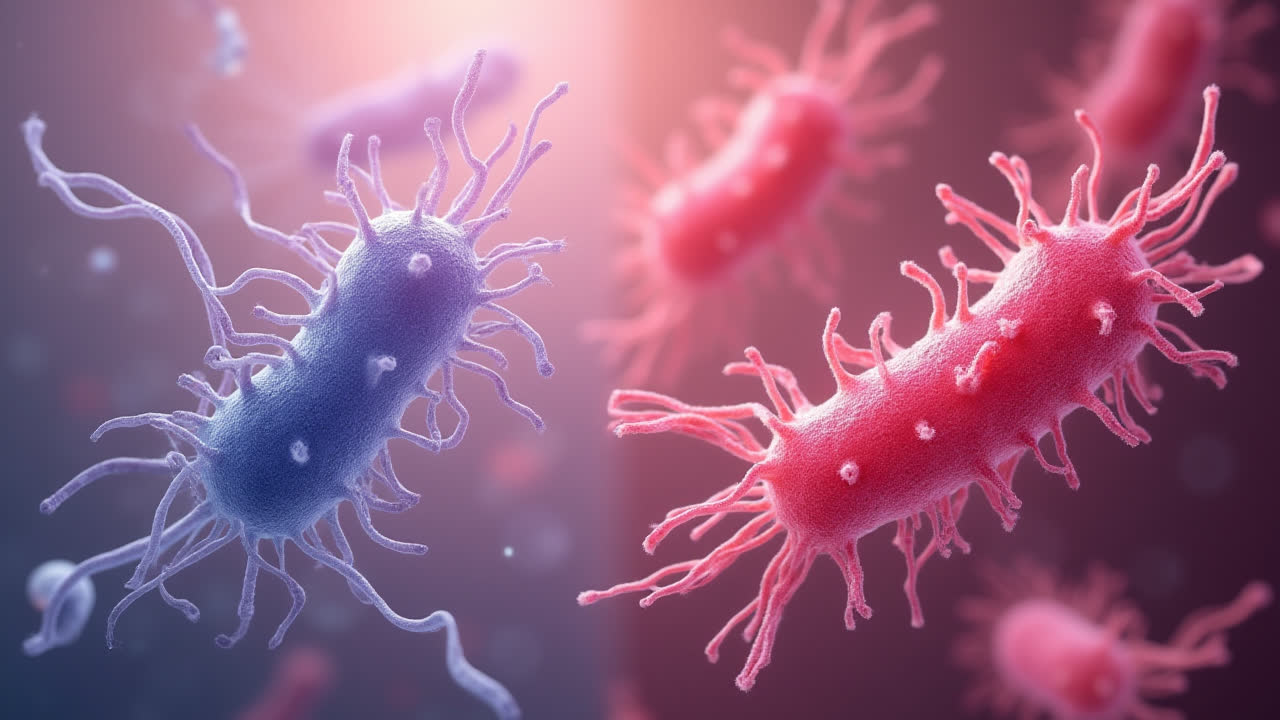
E. coli vs Salmonella: Understanding the Key Differences
When it comes to bacterial infections, E. coli and Salmonella are two names that often come up in discussions about food poisoning and intestinal illnesses. While both bacteria share certain similarities, they have distinct characteristics that set them apart. Understanding these differences is crucial for proper diagnosis, treatment, and prevention of infections.
What is E. coli?
Escherichia coli, commonly known as E. coli, is a fascinating bacterium that has quite a reputation. But here's something that might surprise you - not all E. coli strains are dangerous. Most of them actually live peacefully in our intestines, doing helpful things like producing vitamin K2.
I find it interesting how E. coli belongs to the Enterobacteriaceae family and is classified as a Gram-negative bacterium. What makes it unique is its nature as a commensal bacteria - meaning it generally lives in harmony with its host. It's like that roommate who helps out with household chores rather than causing trouble.
Typically, E. coli measures about 2.0 μm in length and 0.25–1.0 μm in diameter. Its rod-shaped structure and facultative anaerobic nature allow it to adapt to different oxygen environments, switching between aerobic respiration and fermentation as needed.
Understanding Salmonella
On the flip side, Salmonella takes on a more villainous role in the bacterial world. Unlike its cousin E. coli, Salmonella is known primarily as a pathogenic bacterium. From my reading and experience, this bacterium shows no mercy when it comes to causing infections.
Structurally, Salmonella shares many characteristics with E. coli - it's also a Gram-negative, rod-shaped bacterium in the same family. However, it's generally larger, measuring 2 to 5 μm in length and 0.7 to 1.5 μm in diameter. What's particularly concerning about Salmonella is its ability to cause serious conditions like typhoid fever and paratyphoid fever.
There are actually two species of Salmonella worth knowing about: Salmonella enterica (which affects warm-blooded animals) and Salmonella bongori (which primarily targets cold-blooded animals like reptiles). This distinction can be important when considering potential sources of infection.
| Characteristic | E. coli | Salmonella |
|---|---|---|
| Size | 2.0 μm long, 0.25–1.0 μm diameter | 2-5 μm long, 0.7-1.5 μm diameter |
| Mode of Living | Commensal bacteria | Intracellular pathogen |
| Host Type | Warm-blooded animals | Warm-blooded and cold-blooded animals |
| Effect on Host | Usually harmless, produces vitamin K2 | Pathogenic, causes disease |
| Symptoms Onset | 2-10 days after infection | 6-72 days after infection |
| Disease Type | Food poisoning (certain strains) | Typhoid fever, paratyphoid fever |
| Coliform Status | Coliform bacteria | Non-coliform bacteria |
| Common Source | Gut microbiota, contaminated food | Infected animals, food products |
Key Differences That Matter
Now, let's dive into what really sets these two apart. The most striking difference is their role in our body. While E. coli is generally our intestinal buddy (unless you encounter a pathogenic strain), Salmonella is almost always the bad guy. It's like comparing a helpful neighbor to an unwelcome intruder.
Another fascinating difference is their host range. E. coli prefers warm-blooded animals exclusively, while Salmonella isn't picky - it'll infect both warm-blooded and cold-blooded creatures. This makes Salmonella's spread potentially broader and more concerning.
When it comes to symptoms, both can cause that unpleasant combination of diarrhea, stomach cramps, and flu-like symptoms. However, Salmonella tends to have a longer incubation period (6-72 days) compared to E. coli (2-10 days). This delay can make tracing the source of Salmonella infections more challenging.
Similarities You Should Know
Despite their differences, both bacteria share several characteristics that make them effective agents of foodborne illness. They're both part of the campylobacter group, rod-shaped, non-spore-forming, and Gram-negative. Their ability to survive in feces and contaminate food and water makes them particularly problematic for food safety.
Both can switch between fermentation and aerobic respiration depending on oxygen availability - this flexibility helps them survive in various environments. Their presence in the intestine also means both can potentially be transmitted through the fecal-oral route, making proper hygiene crucial in preventing infection.
Prevention Strategies
Prevention is always better than cure, right? The good news is that many of the same strategies work for avoiding both types of bacteria. Proper cooking temperatures, good hygiene practices, and being cautious with raw foods are your best defenses.
For E. coli, pay special attention to ground beef and unpasteurized dairy products. With Salmonella, be extra careful with poultry, eggs, and reptile handling. Remember to wash your hands thoroughly after handling raw meat or visiting farms and petting zoos.
I've noticed that many people underestimate the importance of separate cutting boards for raw and cooked foods. This simple practice can significantly reduce cross-contamination risks for both bacteria.
Frequently Asked Questions
Can you have both E. coli and Salmonella infections at the same time?
Yes, it's possible to have concurrent infections with both bacteria, though uncommon. This typically occurs through contaminated food sources containing both pathogens. Such cases usually require more careful medical management and extended treatment periods.
How long can E. coli survive on surfaces compared to Salmonella?
Both bacteria can survive on surfaces for hours to days depending on conditions. E. coli typically survives 3-7 days on non-porous surfaces, while Salmonella can persist for up to 12 weeks under optimal conditions. Temperature, humidity, and surface type all influence survival rates.
Are antibiotics equally effective against both bacteria?
Antibiotic effectiveness varies based on strain resistance patterns. Some E. coli strains have developed significant antibiotic resistance, while certain Salmonella infections, particularly typhoid fever, may require specific antibiotic protocols. Treatment should always be guided by laboratory testing and medical supervision.