Epiphysis vs Diaphysis: Understanding Bone Structure
Epiphysis vs Diaphysis: Understanding the Key Differences in Bone Structure
Have you ever wondered about the intricate design of your bones? Well, let me take you on a fascinating journey through the anatomy of long bones. The epiphysis and diaphysis are two crucial components that make up every long bone in your body. If you're a student of anatomy, a fitness enthusiast, or simply curious about how your skeleton works, understanding these structures is absolutely essential.
Picture this - imagine holding a chicken drumstick. The knobby ends that connect to other bones? That's similar to what we call the epiphysis. The long shaft you hold onto? That's like the diaphysis. But trust me, there's much more to these bone parts than meets the eye!
What Makes Epiphysis Special?
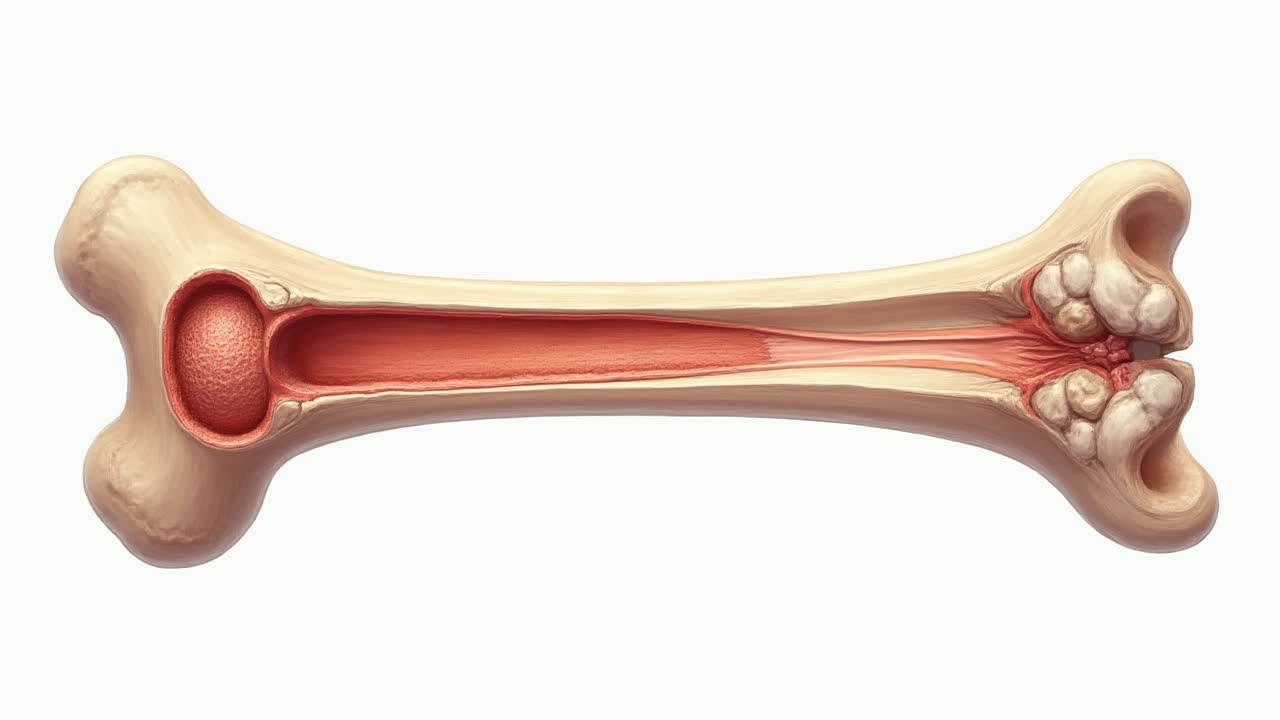
The epiphysis is essentially the rounded end of your long bones. Think of it as the social butterfly of the skeletal world - it's always connecting with other bones to form joints. You've got two of these per long bone - one at each end, called the proximal and distal epiphysis. Pretty neat, right?
Here's something interesting: the epiphysis is made up of spongy bone (also called trabecular bone). I've always found it amusing that something so crucial is called "spongy." But don't let the name fool you - it's not weak at all! The spongy structure is actually brilliant for absorbing shock and housing red bone marrow. This is where your body makes those precious blood cells. When you think about it, every time you move, jump, or run, your epiphyses are working overtime to protect you from impact.
Diaphysis: The Sturdy Shaft
Now, let's talk about the diaphysis - the main shaft of the bone. This is where your muscles attach, and honestly, it's built like a fortress. Made primarily of cortical bone (also known as compact bone), the diaphysis is significantly stronger than its epiphyseal counterparts. It has to be, right? After all, it's supporting your body weight and helping you move around all day long.
One thing that always fascinated me is how the diaphysis houses yellow bone marrow instead of red. This yellow marrow is essentially a fat storage system - kind of like your body's backup energy reserve. It's amazing how every little detail in our bones serves a purpose!
| Feature | Epiphysis | Diaphysis |
|---|---|---|
| Location | Rounded ends of long bones | Central shaft of long bones |
| Bone Type | Spongy (trabecular) bone | Cortical (compact) bone |
| Marrow Type | Red bone marrow | Yellow bone marrow |
| Primary Function | Joint formation and articulation | Muscle attachment and support |
| Porosity | More porous | Less porous |
| Calcium Content | Lower calcium content | Higher calcium content |
| Functional Unit | Trabecula | Osteon |
| Strength | Less strong | Stronger |
The Growth Story: Metaphysis Connection
Here's something cool - between the epiphysis and diaphysis is a region called the metaphysis. This is where the magic happens during growth! The epiphyseal plate (or growth plate) sits here, and it's responsible for the longitudinal growth of your bones. I find it fascinating that this tiny region determines how tall you'll be. Nature's way of measuring things!
During childhood and adolescence, the metaphysis is incredibly active. It's constantly producing new cartilage that gets replaced by bone tissue. Once you reach adulthood, the growth plate fuses with the diaphysis, and boom - no more growing taller! That's why teenagers need all that calcium and nutrients.
Real-World Implications
Understanding the difference between epiphysis and diaphysis isn't just academic. Athletes, for instance, need to be particularly careful about injuries to the epiphyses since they're more vulnerable to damage. A friend of mine once fractured her epiphysis during basketball practice, and her doctor explained that the spongy structure, while great for shock absorption, can be more susceptible to certain types of injuries.
Similarly, conditions like osteoporosis tend to affect the epiphyses first because they contain more trabecular bone with its larger surface area. It's like having more real estate for the calcium to disappear from! This is why bone density tests often focus on areas rich in epiphyseal bone.
The Structural Symphony
You might be wondering - why does the body bother with two different types of bone structure? Well, it's all about optimization. The diaphysis, with its dense cortical bone, provides the strength needed for supporting body weight and resisting bending forces. Meanwhile, the epiphyses, with their spongy architecture, excel at absorbing shock and distributing forces during joint movement.
Think of it like building a bridge. You want strong, solid pylons (like diaphyses) to support the weight, but you also want flexible joints (like epiphyses) that can adapt to movement and stress. It's engineering at its finest, and it's happening right inside your body!
The blood supply to these regions also differs significantly. The diaphysis receives blood through nutrient arteries that enter through small holes in the shaft, while epiphyses get their supply from metaphyseal and epiphyseal arteries. This different vascular supply can actually affect how injuries heal in these regions.
Clinical Significance
From a medical perspective, distinguishing between epiphysis and diaphysis is crucial. Doctors and radiologists use X-rays to examine these structures for various conditions. For example, growth plate injuries in children require special attention because they can affect future bone growth. Similarly, fractures in the diaphysis tend to heal differently than those in the epiphysis due to the different bone types and blood supply.
I've always found it interesting how such small anatomical differences can have such big clinical implications. It really shows how every detail in our body has been fine-tuned through evolution to serve specific purposes.
Frequently Asked Questions
What happens to the epiphyseal plate as we age?
As we age, the epiphyseal plate (growth plate) gradually becomes thinner and eventually fuses with the diaphysis through a process called ossification. This typically occurs at the end of puberty when longitudinal bone growth stops. The timing varies by bone and gender - for instance, some bones may fuse as early as 16-18 years, while others continue growing until the early 20s.
Can you have two epiphyses on one bone?
Yes, most long bones have two epiphyses - one at each end. The proximal epiphysis is located closer to the center of the body, while the distal epiphysis is further away. For example, the femur (thigh bone) has a proximal epiphysis that forms part of the hip joint and a distal epiphysis that forms part of the knee joint.
Why is the diaphysis stronger than the epiphysis?
The diaphysis is stronger due to its composition of compact (cortical) bone, which is denser and contains more calcium. This structure is necessary because the diaphysis must support body weight and withstand bending forces. In contrast, the epiphysis contains spongy bone which, while less dense, is better suited for shock absorption and housing bone marrow. Each structure is optimized for its specific function within the skeletal system.