Fleshy vs Dry Fruits: Understanding the Key Differences
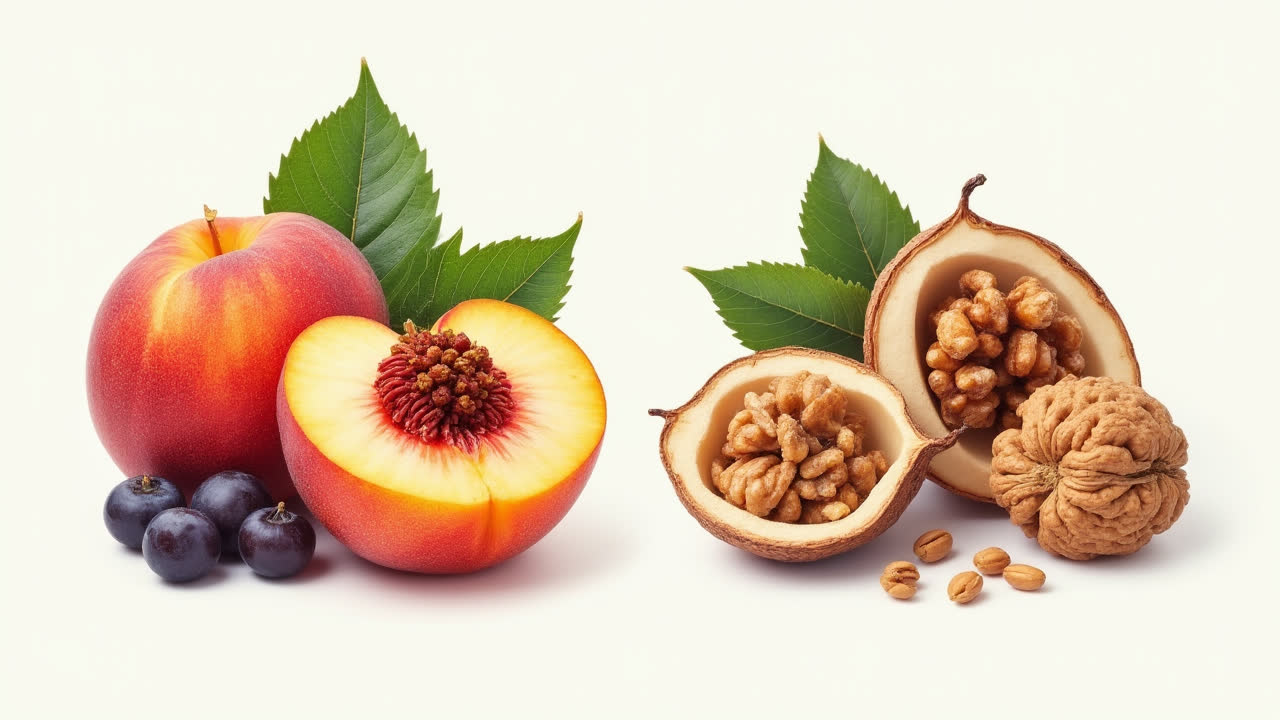
Have you ever wondered why some fruits are juicy and others are hard and dry? The plant kingdom has evolved diverse fruit types to ensure successful seed dispersal and species survival. Fleshy fruits and dry fruits represent the two main categories of simple fruits, each with unique characteristics and evolutionary adaptations. In this comprehensive guide, we'll explore the fascinating world of fruit classification and understand what makes these fruit types so distinct from each other.
What Are Fleshy Fruits?
Fleshy fruits are characterized by their soft, pulpy, and often juicy pericarp (fruit wall) at maturity. These fruits have evolved primarily to attract animals that eat the fruit and disperse the seeds through their digestive systems. The edible, nutritious flesh serves as a reward for animals, creating a mutually beneficial relationship that helps plants spread their seeds far from the parent plant.
A typical fleshy fruit consists of three distinct layers in the pericarp: the epicarp (outer skin), the mesocarp (middle fleshy layer), and the endocarp (inner layer surrounding the seeds). In many fleshy fruits, the endocarp is hardened to protect the seeds during digestion and subsequent dispersal. This intricate structure has evolved over millions of years to maximize reproductive success.
When you bite into a peach or plum, that juicy experience is exactly what plants "want" you to have! The sweet, nutritious flesh entices animals (including humans) to consume the fruit, while the hard pit inside protects the seed during its journey through the digestive tract. Mother Nature's packaging is truly remarkable when you think about it - a tasty treat with a protected seed ready for dispersal.
Types of Fleshy Fruits
Botanists classify fleshy fruits into three main categories based on their structure and development. Each type has evolved specific characteristics that aid in successful seed dispersal through animal interactions.
1. Drupes
Drupes are single-seeded simple fruits that develop from a hypogynous ovary (ovary positioned above the attachment of other floral parts). What makes drupes distinctive is their structure: a thin epicarp (skin), a fleshy mesocarp (the part we typically eat), and a hard, stony endocarp that forms a pit around the seed. Classic examples of drupes include cherries, peaches, plums, mangoes, olives, and coconuts. Next time you're eating a cherry, notice how the pit is actually protecting a seed inside!
2. Berries
Berries are simple fruits with multiple seeds embedded in a fleshy pulp derived from the ovary wall. True botanical berries include surprising members you might not expect, such as tomatoes, grapes, avocados, and bananas. There are two specialized types of berries:
- Hesperidium: A specialized berry with a leathery rind and interior sections divided by membranes. Citrus fruits like oranges, lemons, and grapefruits are classic examples of hesperidia.
- Pepo: A modified berry with a hard outer rind and no interior divisions. Examples include watermelons, cucumbers, pumpkins, and other members of the gourd family (Cucurbitaceae).
3. Pomes
Pomes are unique accessory fruits where the fleshy part develops from the floral tube or receptacle that surrounds and fuses with the carpels. The core of a pome contains the true fruit with seeds. Apples, pears, and quinces are common examples of pomes. When you eat an apple, you're mostly consuming the fleshy receptacle tissue, while the core containing the seeds is the actual fruit from a botanical perspective!
What Are Dry Fruits?
In contrast to their juicy counterparts, dry fruits possess a hard, papery, or dry pericarp at maturity. These fruits have evolved different seed dispersal mechanisms that don't primarily rely on being eaten by animals (though some do). Instead, many dry fruits utilize wind, water, mechanical expulsion, or attachment to animal fur or feathers for seed distribution.
Unlike fleshy fruits, the pericarp of dry fruits typically doesn't show distinct differentiation into layers. The dry, often protective outer covering serves various functions depending on the dispersal strategy of the specific fruit type. These adaptations represent fascinating evolutionary solutions to the challenge of seed dispersal in different environments.
Think about how a dandelion's seeds float away on the breeze, or how a cocklebur sticks to your clothing after a hike. These are examples of dry fruit adaptations that don't require being eaten to achieve successful seed dispersal. I've often found myself inadvertently transporting seeds after walking through a meadow - exactly as those plants evolved to make happen!
Types of Dry Fruits
Dry fruits are divided into two main categories based on whether or not they split open at maturity to release their seeds:
1. Dehiscent Fruits
Dehiscent fruits split open when mature to release their seeds. This mechanism allows for efficient seed dispersal without requiring animal consumption. The three main types of dehiscent fruits are:
- Legumes: Fruits that split along two seams, characteristic of the pea family (Fabaceae). Examples include peas, beans, and peanuts.
- Follicles: Fruits that split along one seam only. Examples include milkweed, larkspur, and columbine.
- Capsules: Fruits that split in various patterns, often having multiple chambers. Examples include lilies, poppies, orchids, and cotton.
2. Indehiscent Fruits
Indehiscent fruits do not split open at maturity, and the seed remains enclosed within the fruit until germination. Most indehiscent fruits contain only one seed. Types of indehiscent fruits include:
- Nuts: Hard, dry, single-seeded fruits with a woody pericarp, such as acorns, hazelnuts, and chestnuts.
- Grains (Caryopsis): Fruits where the seed coat is fused to the fruit wall, common in grasses such as wheat, rice, and corn.
- Achenes: Small, dry fruits with a single seed that is not attached to the fruit wall, such as sunflower seeds and strawberry "seeds" (the actual fruits).
- Samaras: Winged fruits adapted for wind dispersal, such as maple, ash, and elm "keys."
Comparison: Fleshy vs Dry Fruits
| Comparison Point | Fleshy Fruits | Dry Fruits |
|---|---|---|
| Pericarp Texture | Soft, pulpy, and juicy | Hard, papery, or dry |
| Pericarp Layers | Distinct epicarp, mesocarp, and endocarp | No distinct differentiation of layers |
| Primary Dispersal Method | Animal consumption and digestive tract | Wind, water, mechanical expulsion, or attachment to animals |
| Main Types | Drupes, berries, pomes | Dehiscent (legumes, follicles, capsules), indehiscent (nuts, grains, achenes, samaras) |
| Examples | Peaches, grapes, apples, oranges | Peas, poppy seeds, acorns, maple keys |
| Water Content | High | Low |
| Shelf Life | Generally shorter | Generally longer |
| Nutritional Attraction | High sugar content, vibrant colors, strong aromas | Often low in sugar, less colorful, minimal aroma |
Evolutionary Significance
The diversity of fruit types represents different evolutionary strategies for seed dispersal. Fleshy fruits evolved primarily in environments where animal vectors are abundant and reliable for seed distribution. In contrast, dry fruits often dominate in environments where wind dispersal is efficient or where seasonal conditions favor mechanisms like explosive dehiscence.
These adaptations showcase the remarkable co-evolution between plants and their seed dispersal agents. The investment a plant makes in producing a large, nutritious fleshy fruit pays off when animals effectively disperse its seeds to new locations. Similarly, the specialized structures of dry fruits represent efficient solutions to dispersal challenges in various ecological niches.
It's worth noting that both fruit types have been successful evolutionary strategies, as evidenced by their widespread occurrence across different plant families. The persistence of these distinct fruit types throughout plant evolution underscores their effectiveness as reproductive strategies under different environmental conditions.
Frequently Asked Questions
Are all berries considered fleshy fruits?
Yes, all botanical berries are classified as fleshy fruits. However, it's important to note that many fruits commonly called "berries" in everyday language are not true berries from a botanical perspective. For example, strawberries are actually aggregate fruits derived from a single flower with multiple carpels, while raspberries and blackberries are aggregate fruits composed of multiple drupelets. True botanical berries include tomatoes, grapes, blueberries, cranberries, avocados, and bananas, all of which develop from a single flower with one ovary.
Why do some plants produce fleshy fruits while others produce dry fruits?
The type of fruit a plant produces is closely tied to its seed dispersal strategy, which has evolved based on environmental factors and available dispersal agents. Plants that produce fleshy fruits have evolved to attract animals that eat the fruit and disperse the seeds through their digestive systems, often depositing them far from the parent plant with natural fertilizer. Plants that produce dry fruits typically rely on non-animal dispersal methods such as wind (maple samaras), water, mechanical explosion (touch-me-not), or by attaching to animal fur (cockleburs). The strategy that works best depends on the plant's habitat, available dispersal agents, and evolutionary history.
Can a fruit be both fleshy and dry?
While fruits are typically categorized as either fleshy or dry, some fruits display characteristics of both types or transition from fleshy to dry during development. For example, the coconut has both fleshy and dry components - the outer husk (exocarp and mesocarp) starts somewhat fleshy and becomes fibrous, while the inner layer (endocarp) is hard and woody. Similarly, almonds develop as drupes with a fleshy outer layer that dries and splits open at maturity, revealing the familiar "nut" (which is actually the seed). These examples illustrate the remarkable diversity in fruit adaptations and the sometimes blurry boundaries between conventional fruit classifications.
Conclusion
The distinction between fleshy and dry fruits represents one of the fundamental classifications in fruit morphology. Fleshy fruits with their soft, edible pericarps adapted for animal consumption contrast sharply with dry fruits and their hard, papery coverings adapted for alternative dispersal methods. This diversity of fruit types showcases the remarkable adaptability of flowering plants and their co-evolution with seed dispersers.
Whether you're enjoying a juicy peach or watching maple samaras helicopter to the ground, you're witnessing the result of millions of years of evolutionary refinement. The next time you eat a fruit or notice a seed catching a ride on your clothing, take a moment to appreciate the sophisticated dispersal mechanism at work!