Glycosidic Bonds vs Peptide Bonds: Key Differences Explained
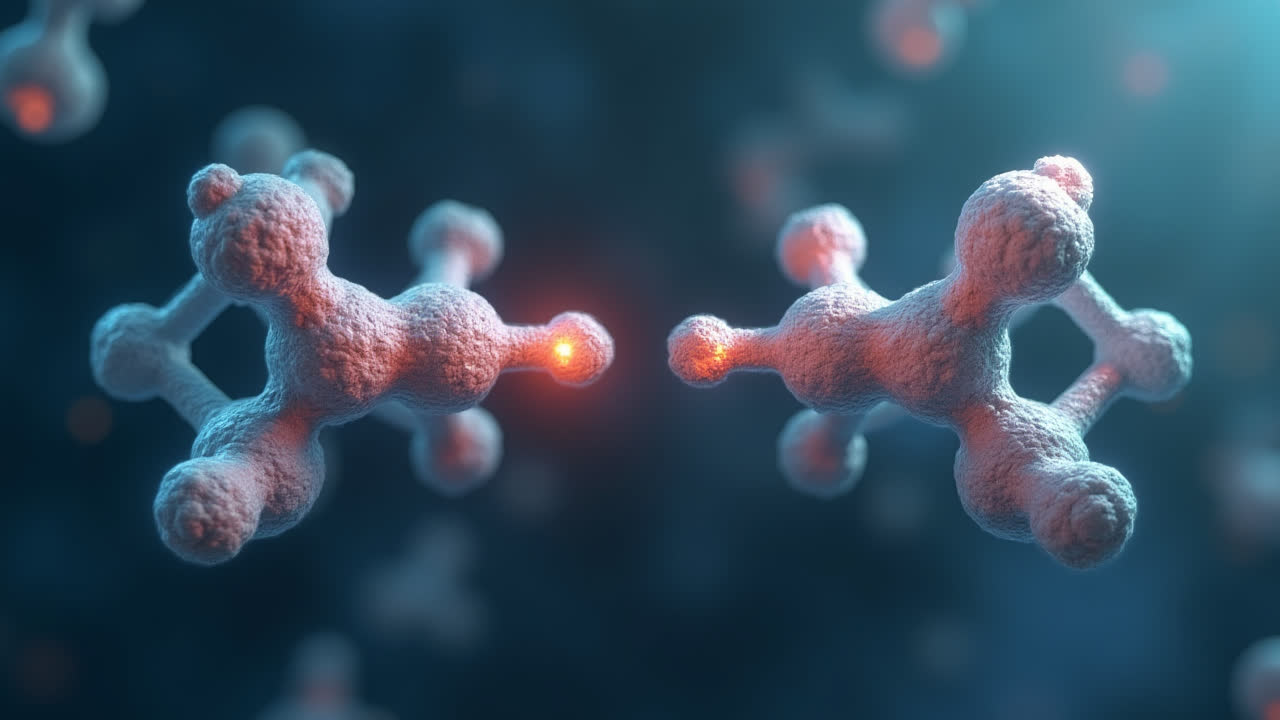
When studying biochemistry, understanding the fundamental chemical bonds that create complex biological molecules is crucial. Glycosidic bonds and peptide bonds are two of the most important covalent bonds in biological systems, responsible for forming carbohydrates and proteins respectively. These molecular connections might seem similar at first glance, but they differ significantly in their structure, formation, and biological functions.
Have you ever wondered how the sugar in your morning cereal differs on a molecular level from the protein in your eggs? The answer lies in these unique chemical bonds. In this comprehensive guide, we'll explore the key differences between glycosidic and peptide bonds, their formation processes, and why they're so essential for life as we know it.
Understanding Glycosidic Bonds
Glycosidic bonds form the backbone of carbohydrate molecules, connecting simple sugar units (monosaccharides) to create more complex structures. These bonds are a type of covalent linkage formed between the carbon atoms of two different monosaccharides through an oxygen atom, creating a C-O-C bridge. This specific arrangement is what gives carbohydrates their unique structural properties.
When glycosidic bonds form, they undergo a condensation reaction where a water molecule is released. The process begins when the hydroxyl group (-OH) attached to one carbon atom reacts with another hydroxyl group on a different monosaccharide. This reaction is critical for creating diverse carbohydrate structures found throughout nature, from the simple sucrose in your sugar bowl to complex polysaccharides like starch and cellulose.
There are several types of glycosidic bonds, with 1,4-glycosidic and 1,6-glycosidic bonds being among the most common. A 1,4-glycosidic bond connects the first carbon of one sugar to the fourth carbon of another, typically resulting in linear chain structures. Meanwhile, a 1,6-glycosidic bond links the first carbon to the sixth carbon of another sugar molecule, often creating branched carbohydrate structures. These different bond configurations are what allow for the incredible diversity of carbohydrate molecules in living organisms.
The versatility of glycosidic bonds extends beyond just connecting similar sugar molecules. They can also form between different types of monosaccharides, creating complex structures like oligosaccharides that play crucial roles in cell recognition and immune function. Additionally, some glycosidic bonds form through nitrogen (N-glycosidic) or sulfur (S-glycosidic) atoms rather than oxygen, further expanding the range of possible carbohydrate structures.
Understanding Peptide Bonds
While glycosidic bonds form the basis of carbohydrates, peptide bonds are the essential linkages that create proteins. A peptide bond forms between two amino acids, specifically connecting the carboxyl group (-COOH) of one amino acid to the amino group (-NH₂) of another. This creates a distinctive -CONH- linkage that serves as the building block for all proteins.
The formation of a peptide bond also involves a condensation reaction, where a water molecule is released. During this process, the -OH portion of the carboxyl group combines with a hydrogen from the amino group to form water. What remains is a strong covalent bond between the carbon of the first amino acid and the nitrogen of the second amino acid. This unique C-N linkage gives proteins their primary structure and sets the foundation for more complex protein folding.
As peptide bonds link multiple amino acids together, they create increasingly complex structures. Two amino acids joined by a single peptide bond form a dipeptide. Several amino acids linked together create an oligopeptide, while numerous amino acids (typically more than 50) form polypeptides. These polypeptides then fold into the three-dimensional structures we recognize as functional proteins, which perform countless essential roles in living organisms.
An interesting property of peptide bonds is their partial double-bond character, which restricts rotation around the bond and creates a planar structure. This rigidity significantly influences protein folding and ultimately affects the protein's function. Additionally, while peptide bonds are quite stable under physiological conditions, they can undergo hydrolysis (breaking down by adding water) when exposed to certain enzymes or extreme pH conditions.
Key Differences Between Glycosidic and Peptide Bonds
| Comparison Factor | Glycosidic Bonds | Peptide Bonds |
|---|---|---|
| Definition | Covalent bond between two monosaccharides | Covalent bond between two amino acids |
| Chemical Structure | C-O-C linkage (carbon-oxygen-carbon) | C-N-H-O linkage (carbon-nitrogen-hydrogen-oxygen) |
| Molecules Connected | Connects sugar units (monosaccharides) | Connects amino acids |
| Resulting Compounds | Forms carbohydrates (disaccharides, polysaccharides) | Forms proteins (dipeptides, polypeptides) |
| Formation Process | Condensation between hydroxyl groups | Condensation between carboxyl and amino groups |
| Bond Rigidity | More flexible, allows rotation | Partially rigid due to double-bond character |
| Common Types | 1,4-glycosidic, 1,6-glycosidic | Alpha helix, beta pleated sheet formations |
| Biological Function | Energy storage, structural support, cell recognition | Enzymatic activity, transport, structural support, signaling |
Similarities Between Glycosidic and Peptide Bonds
Despite their differences, glycosidic and peptide bonds share several important similarities. Both are types of covalent bonds, meaning they involve the sharing of electron pairs between atoms. This sharing creates strong, stable connections that can withstand various cellular conditions. Additionally, both bond types form through condensation reactions, with each bond formation releasing a water molecule as a byproduct.
Another similarity is that both bond types can undergo hydrolysis - the process of breaking a bond by adding water. In living systems, specific enzymes catalyze these hydrolysis reactions: glycosidases break glycosidic bonds in carbohydrates, while proteases break peptide bonds in proteins. These controlled breakdown processes are essential for digestion and various metabolic pathways.
Both bond types also serve as the foundation for the creation of increasingly complex biomolecules. Just as glycosidic bonds allow simple sugars to form complex carbohydrates like starch, cellulose, and glycogen, peptide bonds enable amino acids to form the vast array of proteins that perform countless functions in living organisms. This ability to build complexity from simpler building blocks is a fundamental principle in biological systems.
Biological Significance and Functions
The distinct chemical properties of glycosidic and peptide bonds directly influence the biological roles of the macromolecules they create. Carbohydrates, formed by glycosidic bonds, serve primarily as energy storage molecules (like glycogen in animals or starch in plants) and structural components (like cellulose in plant cell walls). The specific arrangement of glycosidic bonds determines whether a carbohydrate can be easily broken down for energy or if it forms rigid, indigestible structures.
Proteins, constructed through peptide bonds, perform an astonishing diversity of functions. They act as enzymes catalyzing biochemical reactions, transport molecules carrying essential substances throughout the body, antibodies defending against foreign invaders, and structural components providing cellular support. The incredible versatility of proteins stems from the variety of amino acids that can be connected through peptide bonds and the complex three-dimensional structures these connections can create.
In many biological systems, molecules containing both types of bonds work together. Glycoproteins, for instance, are proteins with carbohydrate chains attached, containing both peptide and glycosidic bonds. These hybrid molecules play crucial roles in cell recognition, immune responses, and intercellular communication. The interplay between these different bond types highlights the sophisticated molecular organization in living organisms.
Frequently Asked Questions
How do enzymes interact with glycosidic and peptide bonds?
Specific enzymes target each bond type for both formation and breakdown. Glycosyltransferases catalyze the formation of glycosidic bonds, while glycosidases break them down. Similarly, peptidyl transferases help form peptide bonds, and proteases (or peptidases) break them. These enzymes are highly specific, recognizing particular molecular structures and catalyzing reactions under precise conditions. In digestive systems, enzymes like amylase break down carbohydrates by cleaving glycosidic bonds, while enzymes like pepsin and trypsin break down proteins by cleaving peptide bonds.
Can glycosidic bonds and peptide bonds exist in the same molecule?
Yes, glycosidic and peptide bonds can coexist in the same molecule, particularly in glycoproteins and proteoglycans. Glycoproteins are proteins with carbohydrate chains attached, where the protein backbone consists of amino acids linked by peptide bonds, while the attached carbohydrate portions contain monosaccharides linked by glycosidic bonds. These hybrid molecules are abundant in cell membranes and play crucial roles in cell recognition, immune response, and intercellular communication. The specific arrangement of both bond types contributes to the molecule's unique function in biological systems.
How do glycosidic and peptide bonds affect the digestibility of foods?
The different properties of glycosidic and peptide bonds significantly impact food digestibility. Humans can easily digest some glycosidic bonds, like those in starch, but lack enzymes to break down others, such as cellulose's beta-1,4 glycosidic bonds. This is why we can digest bread but not grass. Similarly, we can digest most peptide bonds in proteins, but some specific arrangements are more resistant to our digestive enzymes. Food processing techniques like cooking often alter these bonds' accessibility, which explains why cooked foods are generally easier to digest than raw ones. These differences in bond digestibility play a crucial role in nutrition and have influenced dietary adaptations across human evolution.
Conclusion
Understanding the fundamental differences between glycosidic bonds and peptide bonds provides crucial insights into how biomolecules function in living systems. While glycosidic bonds connect monosaccharides through carbon-oxygen-carbon linkages to form carbohydrates, peptide bonds join amino acids through carbon-nitrogen bonds to create proteins. These distinct chemical structures directly influence the properties and functions of the resulting macromolecules.
The study of these molecular bonds reaches far beyond theoretical biochemistry. From developing more effective medications that target specific bond types to creating novel biomaterials with custom properties, the practical applications are vast and continually expanding. Whether you're a student beginning your journey in biochemistry or a professional looking to deepen your understanding, appreciating these fundamental chemical connections helps illuminate the remarkable molecular complexity that underlies all living systems.
References:
- http://study.com/academy/lesson/glycosidic-bond-definition-formation-q
- https://en.wikipedia.org/wiki/Peptide_bond
- http://cnx.org/contents/GFy_h8cu@10.53:rZudN6XP@2/Introduction
- https://commons.wikimedia.org/w/index.php?curid=49922737
- https://commons.wikimedia.org/w/index.php?curid=12313882
- http://cnx.org/content/col11496/1.6/
- https://commons.wikimedia.org/w/index.php?curid=30131159