Kulcha vs Naan: Ultimate Guide to Indian Flatbread Differences
Understanding Kulcha: The Pride of Punjab
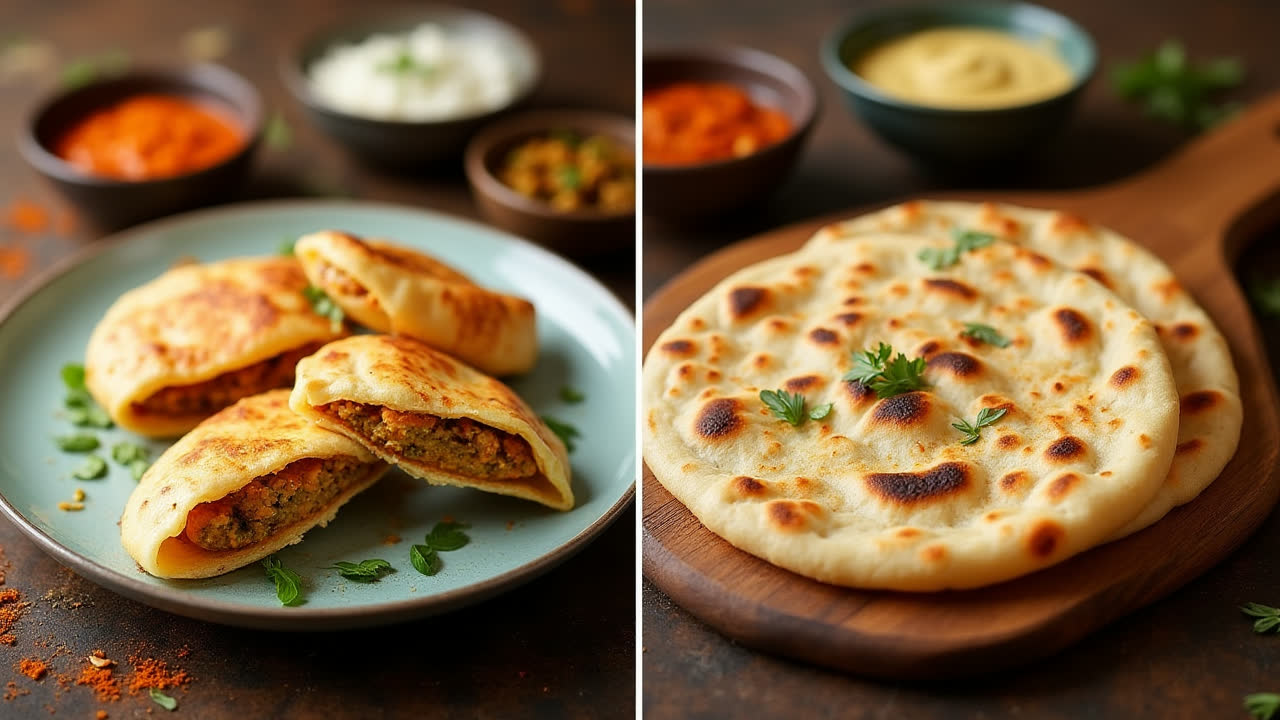
Kulcha is a leavened flatbread that originated in the vibrant state of Punjab, particularly around the city of Amritsar. That's why you'll often hear it referred to as "Amritsari Kulcha" even in European countries. I remember my first trip to Amritsar, where the aroma of freshly baked kulchas filled the narrow streets near the Golden Temple – an experience I'll never forget!
What distinguishes kulcha from other Indian flatbreads is its primary ingredient: maida or refined white flour. The dough is typically mixed with various spices and sometimes stuffed with mashed potatoes, creating distinct flavors that make each bite a delight. Unlike some other Indian breads, traditional kulcha doesn't use yeast for leavening, instead relying on a combination of baking powder and curd to achieve its characteristic rise.
After preparing the dough and allowing it to rise properly, skilled cooks shape it into balls that are then flattened and traditionally baked in an earthen clay oven called a tandoor. As the bread bakes, it develops a beautiful brownish exterior while remaining soft inside. Have you ever watched a master kulcha maker at work? It's truly impressive how they slap the dough against the tandoor walls with such precision!
Kulchas are typically circular in shape and are often served piping hot, generously brushed with butter or ghee (clarified butter) to enhance their flavor. In Punjab, you'll commonly find kulcha served with chole (spiced chickpea curry), creating a famous dish called "Chole Kulcha" that's a staple street food throughout North India. The combination of the soft, slightly chewy kulcha soaking up the spicy chole gravy creates a flavor explosion that's difficult to resist.
Naan: The Versatile Flatbread with Persian Roots
Naan, unlike kulcha, has its origins traced back to Persian influence and has become one of the most internationally recognized Indian breads. I still recall my grandmother explaining how naan was originally a royal bread served in the courts of the Mughal Empire – a fascinating bit of culinary history that adds to its mystique.
The primary difference that separates naan from kulcha is its main ingredient – wheat flour rather than refined maida flour. Additionally, naan dough is distinctively leavened with yeast and often includes yogurt or milk in the mixture. This combination creates a bread that's lighter, softer, and has that characteristic chewy texture with those lovely air pockets we all love.
The preparation process for naan takes more time compared to other Indian flatbreads like roti or chapati. After kneading the dough thoroughly with salt and leavening agents, it needs to rest for several hours to allow the yeast to work its magic. This fermentation process is crucial for developing naan's distinctive flavor and texture – something I learned the hard way when I tried to rush the process during my early cooking experiments!
Traditional naans are shaped differently from kulchas, typically being more oblong or teardrop-shaped rather than perfectly circular. They're often seasoned with nigella seeds (kalonji) which add a subtle onion-like flavor, and just like kulcha, naan is frequently brushed with butter to make it even more irresistible. In restaurants worldwide, you'll find naan served with various curries and dishes, making it a versatile accompaniment to almost any Indian meal.
Key Differences: Kulcha vs Naan at a Glance
| Feature | Kulcha | Naan |
|---|---|---|
| Primary Flour | Maida (Refined white flour) | Wheat flour |
| Leavening Agent | Baking powder and curd | Yeast with yogurt or milk |
| Origin | Punjab, particularly Amritsar | Persian influence, popularized during Mughal era |
| Traditional Shape | Circular | Teardrop or oblong |
| Texture | Slightly dense with a soft interior | Lighter with air pockets and chewy texture |
| Common Varieties | Aloo (potato), Paneer, Gobi (cauliflower), Pyaz (onion) | Plain, Butter, Garlic, Keema, Cheese, Peshwari |
| Traditional Pairing | Chole (chickpea curry) | Various curries, especially from Mughlai cuisine |
| Preparation Time | Shorter (1-2 hours) | Longer (3-4 hours with fermentation) |
Culinary Techniques and Preparation Methods
While both kulcha and naan are flatbreads, their preparation techniques highlight significant cultural and culinary differences that have evolved over centuries.
The cooking method for kulcha typically involves a tandoor (clay oven), where the flattened dough is stuck to the inner walls and baked at high temperatures. The intense heat creates that characteristic slightly crisp exterior while keeping the inside soft. Modern home cooks without access to a tandoor often use a regular oven or even a tawa (flat griddle) to make kulcha, though purists might argue that this affects the authentic taste.
Naan preparation is similar but requires more attention to the fermentation process. The dough needs proper kneading and sufficient time to rise – a step I've found can't be rushed if you want that perfect texture. Traditional naan is also cooked in a tandoor, giving it those distinctive charred spots and smoky flavor. The dough is usually stretched into a teardrop shape before being slapped onto the tandoor walls, requiring considerable skill to get right.
One interesting technique I learned from a chef in Delhi is that the best naan makers will sprinkle a bit of water on the dough just before putting it in the tandoor. This creates steam that helps in forming those lovely bubbles that characterize a good naan. It's these little tricks passed down through generations that make such a difference in traditional cooking.
Both breads can be served plain or stuffed with various fillings. Kulcha is frequently stuffed with spiced potatoes (aloo kulcha), cottage cheese (paneer kulcha), or onions (pyaz kulcha). Naan, on the other hand, has evolved to include a wider variety of fillings and toppings, from the sweet Peshwari naan filled with nuts and raisins to the popular garlic naan topped with – you guessed it – minced garlic and butter.
Regional Variations and Modern Adaptations
Like many traditional foods, both kulcha and naan have developed regional variations across the Indian subcontinent and beyond. In Kashmir, for instance, you'll find a unique variant called "Kandur kulcha," which is slightly denser than its Punjabi counterpart. Meanwhile, in Pakistan, naan recipes often incorporate more milk and sometimes eggs, resulting in a richer bread.
Modern international adaptations have taken these breads in exciting new directions. I once tried a fascinating fusion kulcha at a trendy Mumbai restaurant that incorporated Italian herbs and was served with a curry-infused olive oil – an unexpected but delicious combination! Similarly, naan has been reimagined globally, with variations like cheese-stuffed naan becoming popular in Western countries and even naan pizza emerging as a quick weeknight dinner option.
Health-conscious adaptations have also appeared in recent years. Whole wheat kulcha attempts to make this indulgent bread a bit more nutritious, while gluten-free versions using alternative flours cater to those with dietary restrictions. These adaptations might make traditionalists raise an eyebrow, but they've helped introduce these wonderful breads to new audiences who might otherwise miss out.
The commercial availability of both kulcha and naan has increased dramatically in recent decades. From frozen versions in supermarkets to pre-packaged mixes where you just add water, these convenience options have made Indian flatbreads more accessible globally. Are they as good as the fresh versions? Well, I've tried many, and while nothing beats freshly made bread from a tandoor, some of the better quality store-bought options can be surprisingly decent in a pinch.
Nutritional Comparison and Dietary Considerations
For those watching their nutritional intake, it's worth understanding the differences between these two flatbreads. Kulcha, being made primarily from refined white flour (maida), typically contains less fiber than naan made from wheat flour. This means that naan generally has a lower glycemic index, potentially making it a slightly better choice for those monitoring blood sugar levels.
However, traditional naan often contains more fat due to the addition of yogurt or milk in the dough, plus the liberal application of butter or ghee on top. A typical restaurant naan might contain more calories than a plain kulcha, especially when it comes to butter naan varieties. I've seen friends who carefully count calories often surprised when they learn just how calorie-dense these delicious breads can be!
Both breads contain gluten, making them unsuitable for those with celiac disease or gluten sensitivities. The fermentation process in naan might make it slightly easier to digest for some people, as the yeast breaks down some of the complex carbohydrates during rising. That said, neither bread would be considered particularly "healthy" in the conventional sense – they're definitely in the category of foods to enjoy in moderation.
For those following specific dietary patterns, it's worth noting that traditional naan often contains dairy products in the form of yogurt or milk, making it unsuitable for strict vegans unless specifically prepared without these ingredients. Kulcha can be made vegan more easily, though the butter or ghee topping would need to be substituted with a plant-based alternative. Honestly, I've experimented with olive oil as a topping for homemade kulcha, and while not traditional, it creates a different but equally delicious flavor profile.
Frequently Asked Questions About Kulcha and Naan
Can I make kulcha or naan at home without a tandoor?
Absolutely! While a traditional tandoor gives these breads their authentic flavor, you can achieve good results at home using alternative methods. For naan, a cast iron skillet or heavy-bottomed pan works well – heat it until very hot, then cook the naan for 1-2 minutes per side until bubbles form and it gets those characteristic brown spots. Finish it under a broiler for 30 seconds to mimic the top heat of a tandoor. For kulcha, a hot cast iron pan or an oven preheated to its highest setting with a pizza stone can yield delicious results. The texture might be slightly different, but the flavor will still be enjoyable.
Are there any healthier versions of kulcha and naan?
Yes, several healthier adaptations exist for both breads. For naan, using whole wheat flour instead of refined flour increases the fiber content. You can also reduce the fat by using low-fat yogurt and applying less butter or ghee on top. Some recipes incorporate multigrain flours or add seeds like flax or chia for additional nutrients. For kulcha, substituting some or all of the maida with whole wheat flour makes it more nutritious. You can also experiment with alternative flours like spelt or chickpea flour mixed with wheat flour for different nutritional profiles. Remember that these adaptations will change the traditional texture and flavor somewhat, but they can still be quite delicious while being more aligned with health-conscious eating.
What are the best dishes to pair with kulcha and naan?
Kulcha pairs exceptionally well with chole (spiced chickpea curry), making the famous Punjabi dish "Chole Kulcha." It also works wonderfully with other thick, gravy-based dishes like rajma (kidney bean curry) or dal makhani (buttery black lentil dal). Naan, with its slightly chewier texture, is perfect for scooping up richer, creamier dishes from Mughlai cuisine, such as butter chicken, paneer tikka masala, or korma. The slight tanginess of naan from its fermentation process complements these rich gravies beautifully. Both breads also work well with drier dishes when you want something to round out the meal. For a simple but satisfying snack, try either bread with some fresh yogurt and pickle on the side – a combination that's popular throughout North India as a quick lunch or light dinner.
Conclusion: Appreciating the Unique Qualities of Each Bread
After exploring the fascinating world of kulcha and naan, it's clear that while these flatbreads may look similar to the untrained eye, they represent distinct culinary traditions with their own unique characteristics. The primary difference between kulcha and naan lies in their base ingredients – kulcha uses maida (refined white flour) while naan relies on wheat flour and a yeast-based fermentation process.
Their differences extend beyond ingredients to include preparation methods, textures, shapes, and traditional pairings. Kulcha, with its Punjabi heritage, offers a slightly denser texture and is commonly served with chole. Naan, influenced by Persian cuisine, provides a lighter, chewier experience that pairs beautifully with the rich gravies of Mughlai dishes.
Rather than declaring one superior to the other, true food lovers appreciate each for what it brings to the table. Both breads have stood the test of time, evolving across regions while maintaining their essential character. Whether you're tearing into a butter-soaked garlic naan or enjoying a spicy potato-stuffed kulcha, you're participating in culinary traditions that have delighted diners for centuries.
So the next time you visit an Indian restaurant or attempt to make these breads at home, take a moment to appreciate the distinct qualities that make each special. After all, the rich diversity of Indian bread traditions is something to be celebrated, one delicious bite at a time.