Lycra vs Neoprene: Complete Material Comparison Guide
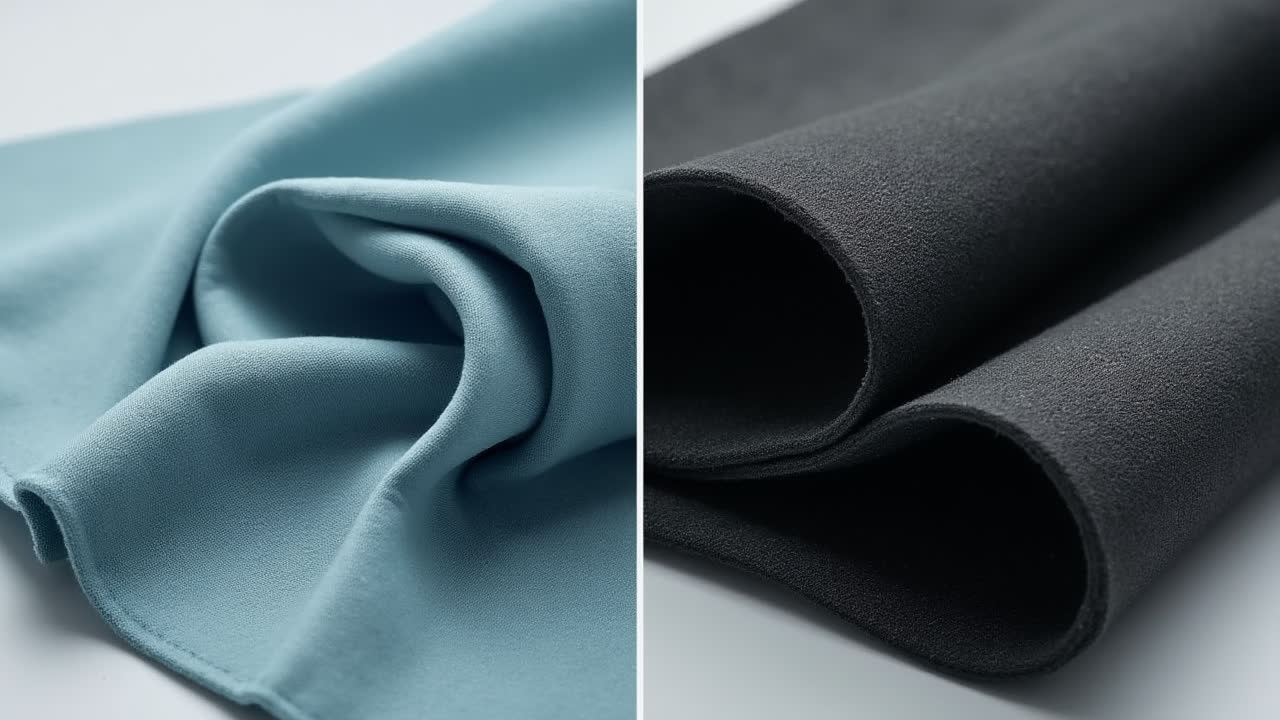
Lycra vs Neoprene: Understanding the Differences Between These Versatile Materials
When it comes to synthetic materials in modern clothing, few have made as significant an impact as Lycra and Neoprene. While they might seem similar at first glance due to their flexibility, these fabrics serve vastly different purposes in various industries. Have you ever wondered why your swimsuit stretches so perfectly or how wetsuits keep you warm in cold water? The answer lies in understanding the unique properties of these fascinating materials.
I've spent years working with different fabrics, and I'm always amazed at how specialized materials can transform our experience with clothing and gear. Whether you're an athlete looking for the perfect workout outfit, a water sports enthusiast shopping for protective gear, or just curious about the clothes you wear, knowing the difference between Lycra and Neoprene will help you make better choices for your specific needs.
In this comprehensive guide, we'll explore everything from the basic composition of these materials to their specialized applications. I'll share insights from my personal experience with both fabrics and provide practical advice on when to choose one over the other. By the end, you'll have a thorough understanding of material properties, advantages, limitations, and ideal uses for both Lycra and Neoprene.
What is Lycra? Understanding the Stretch Fabric Revolution
Lycra, also known as spandex or elastane, is a synthetic fiber invented in 1958 by chemist Joseph Shivers at DuPont's research facilities. The name "Lycra" is actually a brand name owned by the company INVISTA, though it's become somewhat genericized over time - similar to how people say "Band-Aid" for any adhesive bandage. I remember being surprised when I first learned this wasn't the fabric's actual technical name!
What makes Lycra truly remarkable is its exceptional elasticity. This material can stretch to four to seven times its original length and still snap back to its original shape without losing elasticity. The science behind this incredible property comes from its polyurethane-based composition, which creates long-chain polymers that can be stretched and return to their original state repeatedly.
Beyond its amazing stretch, Lycra offers several other advantages that have made it indispensable in modern clothing. It's incredibly lightweight, often weighing less than comparable fabrics, which makes it perfect for activewear where added weight would be a disadvantage. Additionally, it has excellent moisture-wicking properties, helping to keep the wearer dry during physical activities by drawing sweat away from the body and allowing it to evaporate more quickly.
One aspect of Lycra that I particularly appreciate is its versatility in blending with other fibers. Rarely used alone, Lycra is typically blended with cotton, polyester, nylon, or other materials to enhance their performance. Even a small percentage of Lycra (sometimes as little as 2-5%) can dramatically improve a garment's stretch, recovery, and comfort without sacrificing the other benefits of the primary material. This blending capability has revolutionized comfortable clothing across nearly every category.
In my own closet, I've noticed how Lycra-blend fabrics maintain their shape much better over time compared to 100% cotton items, which tend to stretch out and become baggy after repeated wear. This durability aspect of Lycra makes it not just comfortable but economical in the long run - something I value in my clothing investments.
What is Neoprene? The Protective Synthetic Rubber
Neoprene stands apart from Lycra in both composition and purpose. Developed in 1930 by DuPont scientists as a synthetic rubber alternative, neoprene (chemically known as polychloroprene) was initially created to resist oil degradation better than natural rubber. Its invention was somewhat of a happy accident - researchers were studying how to create synthetic rubber and discovered this remarkable material with properties surpassing their expectations.
The defining characteristic of neoprene is its exceptional ability to insulate against heat transfer. This property comes from its closed-cell structure, which contains small bubbles of nitrogen gas that provide excellent thermal insulation. When I first wore a neoprene wetsuit during a chilly ocean swim, I was amazed at how effectively it trapped my body heat despite being surrounded by cold water. It's this insulating quality that makes neoprene the go-to material for water sports in cold environments.
Beyond thermal insulation, neoprene offers remarkable resistance to degradation from environmental factors. It withstands exposure to sun, ozone, and most chemicals without breaking down quickly. It's also water-resistant (though not completely waterproof) and provides a degree of shock absorption and buoyancy. These protective qualities explain why neoprene has found applications far beyond just wetsuits.
Another aspect of neoprene that surprised me when I first worked with it is its versatility in thickness and density. Manufacturers can create neoprene in various thicknesses (commonly ranging from 1mm to 7mm) and with different density levels to suit specific applications. Thicker neoprene provides more insulation and protection but reduces flexibility, creating a trade-off that manufacturers must consider when designing products for different uses.
While not as stretchy as Lycra, neoprene does offer moderate flexibility, especially when manufactured with stretch panels or laminated with other materials. Modern advancements have created more flexible versions, though its primary purpose remains protection rather than form-fitting stretch. This balance of protection and flexibility makes neoprene uniquely suited for situations where the body needs both mobility and a barrier against harsh conditions.
Lycra vs Neoprene: Comprehensive Comparison
| Feature | Lycra | Neoprene |
|---|---|---|
| Composition | Synthetic fiber (polyurethane-based) | Synthetic rubber (polychloroprene) |
| Elasticity | Extremely high (can stretch 4-7x original length) | Moderate (some stretch but limited) |
| Insulation | Poor thermal insulation | Excellent thermal insulation |
| Water Resistance | Quick-drying but not water-resistant | Water-resistant but not waterproof |
| Breathability | Highly breathable | Poor breathability |
| Weight | Very lightweight | Heavier, especially thicker variants |
| Primary Uses | Activewear, swimwear, compression garments | Wetsuits, protective gear, medical supports |
| Durability | Moderate to high when blended | High resistance to environmental factors |
Applications and Uses: Where Each Material Excels
Lycra's Primary Applications
Lycra has revolutionized the athletic and fashion industries by enabling clothing that moves with the body rather than restricting it. In sportswear and activewear, Lycra-blend fabrics dominate the market because they provide unrestricted movement while maintaining shape. When I'm looking for workout clothes, I always check the tag for Lycra or spandex content - even 5% can make a significant difference in comfort during a vigorous workout.
The swimwear industry has perhaps benefited most dramatically from Lycra's properties. Before stretchable synthetic fabrics, swimsuits would become waterlogged and lose their shape when wet. Lycra changed this completely, creating suits that hug the body, resist chlorine damage, and dry quickly. I still remember the heavy, uncomfortable swimsuits from my childhood compared to the sleek, comfortable options available today.
In the fashion world, Lycra has enabled the creation of form-fitting garments that still allow comfort and movement. Jeans with "stretch" contain Lycra, as do many dresses, shirts, and even formal wear. The subtle elasticity helps clothing maintain its shape throughout the day while accommodating natural body movements and positions. This practical advantage explains why so many clothing manufacturers incorporate at least some percentage of Lycra into their fabrics.
The medical field has also embraced Lycra for compression garments that help with circulation issues, post-surgical recovery, and athletic performance. The controlled pressure these garments provide has proven beneficial for conditions ranging from varicose veins to muscle recovery after intense exercise. The ability to create precise, graduated compression would be impossible without Lycra's unique properties.
Neoprene's Primary Applications
While Lycra focuses on stretch and recovery, neoprene's domain is protection and insulation. Its most famous application is in wetsuits and drysuits for water activities. The material traps a thin layer of water between the suit and the body, which the body then warms, creating an insulating barrier against cold water. As someone who enjoys occasional cold-water swimming, I can attest to the remarkable difference a good neoprene wetsuit makes in extending comfortable time in the water.
Beyond water sports, neoprene has found applications in protective gear across various industries. Laptop sleeves, phone cases, camera bags, and other protective covers often use neoprene because it absorbs shock and provides cushioning against impacts. The material's slight padding effect combined with water resistance makes it ideal for protecting sensitive electronics.
In the medical field, neoprene is widely used in orthopedic supports, braces, and therapeutic wraps. Its combination of support, flexibility, and heat retention makes it perfect for joint supports and injury rehabilitation. When I sprained my ankle a few years ago, the neoprene ankle support provided stability while allowing limited movement - exactly what was needed for proper healing.
Industrial applications of neoprene extend far beyond consumer products. It's used for gaskets, hoses, electrical insulation, and even in construction as weather stripping and roofing materials. The material's resistance to weather, chemicals, and oils makes it versatile in settings where other materials would quickly degrade. This industrial durability is what initially made neoprene valuable before its consumer applications were fully realized.
Care and Maintenance: Keeping Your Lycra and Neoprene Items in Top Condition
Caring for Lycra Items
Proper care of Lycra-containing garments will significantly extend their lifespan and maintain their stretch properties. I've learned through experience that washing Lycra items in cold water is essential - hot water can break down the elastic fibers over time. Using a gentle cycle and mild detergent also helps preserve the material's integrity. Avoid bleach at all costs, as it will quickly damage Lycra fibers.
Perhaps the most important care tip for Lycra is proper drying. Heat is the enemy of elastic fibers, so always air dry Lycra items rather than putting them in a dryer. I hang my workout clothes and swimwear to dry naturally, which has helped them maintain their shape and stretch for much longer than when I used to toss everything in the dryer. If you must use a dryer, choose the lowest heat setting possible.
Another tip I've found helpful is to rotate your Lycra-containing items rather than wearing the same ones repeatedly. This gives the elastic fibers time to fully recover their shape between wears. I've noticed that my favorite workout leggings last much longer when I rotate between several pairs rather than wearing the same ones for every workout.
Caring for Neoprene Items
Neoprene requires different care than Lycra due to its different composition and typical uses. For wetsuits and other neoprene items exposed to saltwater or chlorine, thorough rinsing with fresh water after each use is essential. Salt crystals and chlorine can damage the material over time if left to dry on the surface. I make it a habit to rinse my wetsuit immediately after use, even if I'm tired and just want to head home.
Drying neoprene properly is crucial for preventing odor and preserving the material. Unlike Lycra, neoprene should not be hung on a narrow hanger as this can create permanent creases in the material. Instead, lay wetsuits flat or hang them on a wide wetsuit hanger that distributes the weight properly. I learned this lesson the hard way after creating a permanent fold in an expensive wetsuit by hanging it improperly.
For cleaning neoprene beyond simple rinsing, use products specifically designed for the material rather than standard detergents. Regular soap can break down the material's structure over time. Special wetsuit shampoos and cleaners are formulated to clean without damaging the neoprene. An occasional deep cleaning with these specialized products will extend the life of your neoprene items while keeping them odor-free.
Storage of neoprene items requires consideration as well. Keep them away from direct sunlight and heat sources, which can cause the material to deteriorate. Avoid folding neoprene items for long periods, as this can create permanent creases. For seasonal storage of wetsuits, I store mine loosely rolled rather than folded, which has helped maintain their original shape and flexibility season after season.
Environmental Considerations: Sustainability of Lycra and Neoprene
As someone who tries to make environmentally conscious choices, I've researched the sustainability aspects of both these materials. Neither Lycra nor neoprene is particularly eco-friendly in its traditional form. Both are petroleum-based synthetic materials that don't biodegrade and require significant energy to produce. However, there have been advancements in creating more sustainable versions of both.
For Lycra, manufacturers have begun developing bio-based versions that replace some petroleum components with plant-based alternatives. These newer versions aim to reduce the carbon footprint while maintaining the performance properties that make Lycra valuable. Additionally, recycled Lycra is becoming more common in the market, offering a more sustainable option for consumers concerned about environmental impact.
Neoprene alternatives are also emerging in response to environmental concerns. Materials like natural rubber, yulex (derived from guayule plants), and limestone-based neoprene offer alternatives with lower environmental impacts. Many eco-conscious wetsuit manufacturers now offer these alternatives, though they often come at a premium price. I recently invested in a yulex wetsuit and while it was more expensive, I appreciate knowing it has a lower environmental impact than traditional neoprene.
When considering the environmental impact of these materials, it's also worth noting their durability. While neither is biodegradable, both can be quite long-lasting when properly cared for. From a sustainability perspective, purchasing higher-quality items that last longer can be preferable to buying cheaper, short-lived alternatives that quickly end up in landfills. I've found that investing in quality Lycra and neoprene products has actually reduced my overall consumption in the long run.
Frequently Asked Questions About Lycra and Neoprene
Can Lycra and neoprene be recycled?
Recycling options for both materials are limited but improving. Lycra can sometimes be recycled through specialized textile recycling programs, though not through standard curbside recycling. Some companies now offer take-back programs for their Lycra-containing garments. Neoprene recycling is more challenging, but programs exist to repurpose old wetsuits into yoga mats, mouse pads, and other items. Always check with local recycling facilities or the manufacturer for the most current recycling options in your area.
Which material is better for swimming - Lycra or neoprene?
The better material depends entirely on your swimming conditions. For warm water and competitive swimming where freedom of movement is paramount, Lycra swimwear is ideal. It offers minimal drag, maximum flexibility, and quick drying. For cold water swimming where thermal protection is necessary, neoprene is the superior choice. Many open water swimmers use neoprene caps, gloves, and full wetsuits to extend their safe swimming time in cold conditions. Some swimwear even combines both materials - using neoprene in core areas for warmth and Lycra in areas where maximum flexibility is needed.
Do Lycra and neoprene cause skin allergies or irritation?
Some individuals may experience skin reactions to either material. Lycra itself is relatively hypoallergenic, but the dyes, treatments, or other fibers blended with it might cause irritation in sensitive individuals. Neoprene allergies are more common, with some people developing contact dermatitis from the accelerants used in its manufacturing process. If you have sensitive skin, look for hypoallergenic versions of both materials, or test a small area before extended wear. For neoprene wetsuits, many manufacturers now offer lined versions that keep the rubber from direct contact with skin, reducing the likelihood of irritation.
Conclusion: Choosing Between Lycra and Neoprene
When deciding between Lycra and neoprene for a specific application, consider the primary purpose of the item you're selecting. If maximum stretch, lightweight comfort, and form-fitting properties are your priorities, Lycra-containing materials will likely be your best choice. This is why Lycra dominates in activewear, fashion, and competitive swimwear.
On the other hand, if protection from elements, insulation, and durability are your primary concerns, neoprene will serve you better. Its superior insulating properties and resistance to environmental factors make it the go-to choice for protective gear and cold-water sports equipment.
In my own experience, I've found that understanding the distinct properties of these materials has helped me make better purchasing decisions. My workout clothes contain Lycra for comfort and movement, while I rely on neoprene for my cold-water swimming gear. Sometimes the best solution might even combine both materials to leverage their respective strengths.
As manufacturing techniques advance, we're likely to see even more specialized versions of both materials developed for specific applications. The boundaries between their capabilities may blur as hybrid materials emerge. Whatever developments the future brings, understanding the fundamental differences between Lycra and neoprene provides a solid foundation for evaluating new materials and making informed choices about the products we use.