Phosphoric Acid vs Polyphosphoric Acid: 8 Essential Differences
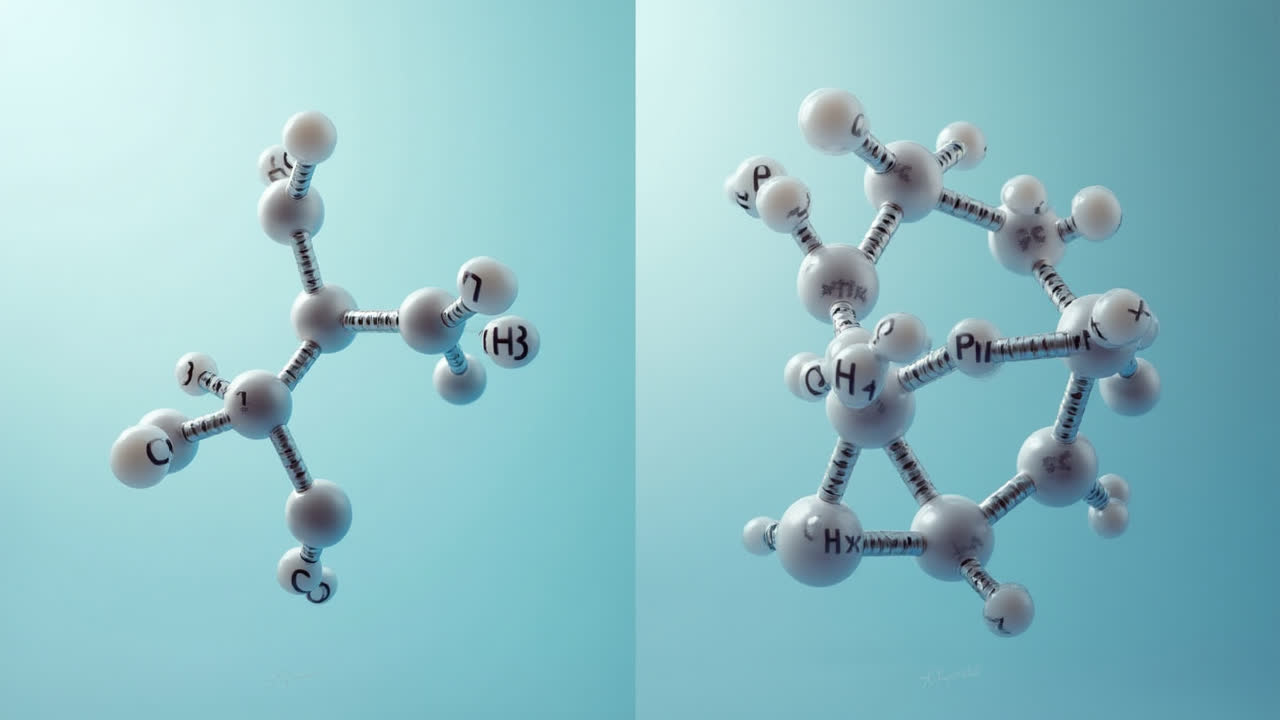
Introduction to Phosphorus-Based Acids
Chemistry enthusiasts and industry professionals alike frequently encounter various phosphorus-based compounds in their work. Among these, phosphoric acid and polyphosphoric acid stand out as particularly important chemicals with widespread applications. Despite their similar names, these two substances have distinct properties and uses that make them suitable for different purposes.
Have you ever wondered why soft drinks taste tangy or how certain industrial catalysts work so effectively? The answer often involves these phosphorus-containing acids. In this comprehensive guide, we'll explore the fascinating world of these chemical compounds and unravel their differences and similarities.
Both acids contain the same basic elements—phosphorus, oxygen, and hydrogen—but their molecular structures and resulting properties differ significantly. Understanding these differences is crucial for anyone working in fields ranging from food science to organic synthesis and industrial manufacturing.
As we delve deeper into the comparison between these two important acids, you'll discover why chemists often need to make careful choices between them based on specific application requirements. Whether you're a student, researcher, or industry professional, this knowledge will help you make informed decisions about which acid best suits your particular needs.
Understanding Phosphoric Acid
Phosphoric acid, also known as orthophosphoric acid, is a relatively simple inorganic compound with the chemical formula H₃PO₄. This colorless, odorless substance appears as a solid at room temperature and has notable hygroscopic properties, meaning it readily absorbs moisture from the air. What makes this acid particularly interesting is its molecular structure—it features a single phosphorus atom surrounded by four oxygen atoms, with three of those oxygen atoms bonded to hydrogen atoms.
One of the defining characteristics of phosphoric acid is its behavior as a tribasic acid. This means it can donate up to three protons (hydrogen ions) in solution, doing so in sequential steps:
- First ionization: H₃PO₄ ↔ H⁺ + H₂PO₄⁻
- Second ionization: H₂PO₄⁻ ↔ H⁺ + HPO₄²⁻
- Third ionization: HPO₄²⁻ ↔ H⁺ + PO₄³⁻
Despite its ability to donate multiple protons, phosphoric acid is classified as a moderately weak acid because it doesn't fully dissociate in aqueous solutions. This property makes it particularly useful in applications where a gentle acidic environment is needed without the harshness of stronger acids like hydrochloric or sulfuric acid.
In everyday life, you might encounter phosphoric acid most commonly in carbonated beverages, where it contributes to the tangy flavor profile and acts as a preservative. Beyond beverages, this versatile acid finds applications in:
- Food additives (as acidity regulator E338)
- Rust removal products
- Dental etching procedures
- Fertilizer production
- Metal surface treatments
I've personally found phosphoric acid's ability to remove rust quite remarkable—it works by converting iron oxide (rust) into iron phosphate, which can then be easily washed away. This illustrates how understanding the chemistry of these acids can lead to practical, everyday solutions.
Exploring Polyphosphoric Acid
Unlike its simpler cousin, polyphosphoric acid (PPA) represents a more complex chemical entity. Rather than being a single compound with a definitive formula, PPA consists of a mixture of phosphoric acids linked together through oxygen bridges, creating extended molecular chains. Think of it as phosphoric acid molecules joined together after losing water molecules between them—a process chemists call condensation.
The production of polyphosphoric acid typically involves heating orthophosphoric acid to high temperatures, which drives off water and facilitates the formation of phosphorus-oxygen-phosphorus linkages. The resulting substance appears as a viscous, clear liquid that's considerably thicker than regular phosphoric acid. This increased viscosity stems directly from the complex molecular structure and higher average molecular weight of the compounds in the mixture.
Within a typical sample of polyphosphoric acid, you might find various specific compounds including:
- Pyrophosphoric acid (H₄P₂O₇) - containing two phosphorus atoms
- Tripolyphosphoric acid (H₅P₃O₁₀) - containing three phosphorus atoms
- Longer chain polyphosphoric acids with even more phosphorus atoms
What makes polyphosphoric acid particularly valuable in industrial applications is its strong dehydrating properties. Unlike simple phosphoric acid, PPA can effectively remove water molecules from organic compounds, making it an excellent catalyst for various organic reactions. I've observed that this dehydrating capability makes PPA particularly effective in syntheses where water removal drives the reaction forward.
The applications of polyphosphoric acid extend across numerous industries:
- Organic synthesis (particularly in cyclization reactions)
- Petroleum refining processes
- Production of pharmaceuticals
- Manufacturing of dyes and pigments
- Polymer science applications
For chemists working in research or industrial settings, polyphosphoric acid represents a powerful tool when conventional reagents prove insufficient. Its ability to function both as an acid and a dehydrating agent simultaneously makes it uniquely valuable for specific chemical transformations that would otherwise be difficult to achieve.
Key Similarities Between Phosphoric Acid and Polyphosphoric Acid
Before we dive deeper into what separates these two acids, it's worth acknowledging their shared characteristics. Both phosphoric acid and polyphosphoric acid belong to the same chemical family and consequently share several important properties and behaviors.
First and foremost, both substances contain the same fundamental elements: phosphorus, oxygen, and hydrogen. This shared composition gives them related chemical behaviors, particularly in terms of their acidity. Both can donate protons (H⁺) in aqueous solutions, classifying them firmly as acids according to the Brønsted-Lowry definition.
Another significant similarity lies in their reaction patterns. Both acids react with bases to form corresponding phosphate salts. For instance, when either acid reacts with sodium hydroxide, various sodium phosphates are produced depending on the reaction conditions and stoichiometry. These phosphate salts have important applications in detergents, water treatment, and food additives.
From a handling perspective, both substances require similar safety precautions. They're corrosive to varying degrees and can cause irritation or burns upon contact with skin, eyes, or mucous membranes. Anyone working with either acid should use appropriate personal protective equipment including gloves, eye protection, and lab coats.
Additionally, both acids participate in esterification reactions with alcohols, forming various phosphate esters. These reactions are particularly important in biochemistry, as phosphate esters form the backbone of DNA and RNA molecules, as well as playing crucial roles in cellular energy transfer through compounds like ATP (adenosine triphosphate).
Perhaps most importantly, there's a direct relationship between these two acids: polyphosphoric acid is derived from phosphoric acid through dehydration. This connection means that, under the right conditions, phosphoric acid can be converted to polyphosphoric acid, and conversely, polyphosphoric acid can be hydrolyzed back to phosphoric acid. This interconvertibility highlights their chemical relationship and explains some of their overlapping applications.
Comprehensive Comparison: Phosphoric Acid vs Polyphosphoric Acid
| Property | Phosphoric Acid | Polyphosphoric Acid |
|---|---|---|
| Chemical Structure | Single molecule with one phosphorus atom (H₃PO₄) | Complex mixture with multiple linked phosphorus atoms |
| Formula | H₃PO₄ (definite) | Variable (mixture of H₄P₂O₇, H₅P₃O₁₀, etc.) |
| Physical Appearance | Colorless solid or solution | Viscous, clear liquid |
| Viscosity | Lower | Higher (more syrup-like) |
| Acid Strength | Moderately weak | Stronger than phosphoric acid |
| Dehydrating Ability | Mild dehydrating agent | Strong dehydrating agent |
| Primary Industrial Uses | Food additives, fertilizers, metal treatment | Organic synthesis, petroleum refining, catalysis |
| Complexity | Simple, well-defined compound | Complex mixture of variable composition |
Industrial Applications and Use Cases
The distinct properties of phosphoric and polyphosphoric acids make them suitable for different industrial applications. Understanding these practical differences can help professionals select the appropriate acid for specific processes and manufacturing needs.
Phosphoric acid finds widespread use in the food and beverage industry due to its relatively mild acidity and safety profile. It's commonly added to soft drinks to provide tartness and act as a preservative. In fact, that slightly tangy flavor in your cola comes primarily from phosphoric acid! Beyond beverages, it appears in many processed foods as an acidulant and flavor enhancer.
The agricultural sector represents another major market for phosphoric acid, where it serves as a key ingredient in phosphate fertilizers. These fertilizers provide essential phosphorus nutrients that plants need for growth, flowering, and fruit production. The manufacture of triple superphosphate and diammonium phosphate fertilizers relies heavily on phosphoric acid as a raw material.
In metal treatment applications, phosphoric acid creates conversion coatings that improve corrosion resistance and paint adhesion. This process, known as phosphating, is commonly used in automotive manufacturing and other industries where metal protection is crucial. I've seen firsthand how effectively a phosphoric acid treatment can prepare metal surfaces before painting, significantly extending the lifespan of the finished product.
Meanwhile, polyphosphoric acid excels in applications where its strong dehydrating properties and catalytic abilities are advantageous. Organic chemists rely on PPA for various synthesis reactions, particularly cyclization processes that form ring structures in complex molecules. Many pharmaceuticals, dyes, and specialty chemicals are manufactured using PPA-catalyzed reactions that would be difficult or impossible with simpler acids.
The petroleum industry utilizes polyphosphoric acid in refining processes such as alkylation, isomerization, and polymerization. These reactions help convert crude oil fractions into valuable products with specific properties. PPA catalysts can improve fuel quality characteristics and help meet stringent specifications for modern fuels.
When deciding between these acids for a particular application, manufacturers must consider factors including required acidity level, dehydrating power, viscosity, and compatibility with other process components. The cost difference can also be significant, with specialized polyphosphoric acid formulations typically commanding higher prices than standard phosphoric acid.
Safety Considerations and Handling Precautions
Working with either phosphoric or polyphosphoric acid requires appropriate safety measures, though the specific precautions differ somewhat based on their properties. Always remember that proper handling is essential to prevent accidents and injuries when dealing with these chemical substances.
For phosphoric acid, the primary concerns involve its corrosive nature, though it's generally considered less hazardous than stronger mineral acids like sulfuric or hydrochloric acid. When handling concentrated phosphoric acid solutions, always wear chemical-resistant gloves, safety goggles, and a lab coat or other protective clothing. Ensure adequate ventilation in your workspace, as even though phosphoric acid doesn't produce strong fumes, good air circulation is still important for safety.
In case of skin contact with phosphoric acid, immediately flush the affected area with plenty of water for at least 15 minutes. For eye exposure, rinse continuously with water while holding the eyelids open, and seek medical attention promptly. Remember that even dilute solutions can cause irritation with prolonged contact.
When it comes to polyphosphoric acid, additional precautions are necessary due to its higher viscosity and stronger dehydrating properties. The viscous nature of PPA means it can cling to skin and continue causing damage if not removed quickly and thoroughly. Its powerful dehydrating action can cause more severe burns compared to regular phosphoric acid.
I've noticed that the heat-generating potential of polyphosphoric acid when mixed with water is particularly important to remember—always add the acid slowly to water, never the reverse, to prevent dangerous splashing from sudden heat generation. This principle applies to both acids but is especially critical with PPA.
Storage considerations also differ slightly between these compounds. Phosphoric acid should be kept in corrosion-resistant containers, preferably made of glass or certain plastics, and stored away from bases and reactive metals. Polyphosphoric acid requires special attention to temperature conditions, as extreme cold can cause solidification while heat may accelerate decomposition or polymer formation.
For both acids, proper disposal is essential to minimize environmental impact. Never pour these chemicals down ordinary drains. Instead, follow local regulations for hazardous waste disposal, which typically involve neutralization followed by appropriate waste management procedures.
FAQs About Phosphoric Acid and Polyphosphoric Acid
How does the strength of phosphoric acid compare to polyphosphoric acid?
Polyphosphoric acid is generally stronger than phosphoric acid in terms of both acidity and dehydrating power. This increased strength stems from its complex molecular structure, which contains multiple phosphorus-oxygen bonds. While phosphoric acid is classified as a moderately weak acid with a pKa of about 2.15 for its first dissociation, polyphosphoric acid mixtures typically exhibit greater acidity due to the cooperative effects of linked phosphate units. This enhanced strength makes polyphosphoric acid more effective as a catalyst in organic reactions where greater acid power is required, whereas phosphoric acid is preferred in applications requiring milder acidity, such as food additives.
Can phosphoric acid be converted to polyphosphoric acid at home?
Converting phosphoric acid to polyphosphoric acid is not recommended as a home experiment due to safety concerns and equipment requirements. The process requires heating concentrated phosphoric acid to temperatures above 200°C under controlled conditions to drive off water molecules. This procedure demands specialized laboratory equipment including heating mantles, temperature controllers, and proper ventilation systems. Additionally, the reaction produces water vapor that must be efficiently removed. Without proper equipment and training, attempting this conversion could lead to serious accidents including burns, fires, or exposure to corrosive substances. For any chemistry needs requiring polyphosphoric acid, it's safer and more practical to purchase it from chemical suppliers who manufacture it under controlled industrial conditions.
What happens when polyphosphoric acid is added to water?
When polyphosphoric acid is added to water, an exothermic hydrolysis reaction occurs, generating heat while the complex phosphate chains break down into simpler forms. This process ultimately converts polyphosphoric acid back into orthophosphoric acid (H₃PO₄) through sequential hydration of the phosphorus-oxygen-phosphorus linkages. The reaction can be quite vigorous, especially with concentrated polyphosphoric acid, potentially causing dangerous spattering if not performed carefully. For safety, polyphosphoric acid should always be added slowly to water while stirring (never water to acid), and preferably in an ice bath to control the heat generation. The resulting solution will initially contain a mixture of various phosphoric acids before eventually equilibrating to orthophosphoric acid given sufficient water and time.
Conclusion
The comparison between phosphoric acid and polyphosphoric acid reveals fascinating differences in structure, properties, and applications that extend far beyond their similar-sounding names. While both belong to the same chemical family and contain phosphorus, oxygen, and hydrogen, their distinct molecular architectures give rise to significantly different behaviors.
Phosphoric acid, with its simpler single-phosphorus structure, offers moderate acidity and versatility that makes it indispensable in food production, metal treatment, and fertilizer manufacturing. Its relatively mild nature and established safety profile have secured its place in countless consumer products we encounter daily.
Polyphosphoric acid, by contrast, delivers enhanced catalytic abilities and powerful dehydrating properties through its complex, multi-phosphorus chains. These characteristics have made it a valuable tool in organic synthesis, petroleum refining, and specialty chemical production where stronger acid functionality is required.
Understanding the key differences between these two acids allows scientists, engineers, and manufacturers to select the appropriate compound for specific applications. Whether you need the gentle acidity of phosphoric acid for a food application or the strong dehydrating power of polyphosphoric acid for a challenging chemical synthesis, choosing the right acid can make all the difference in achieving optimal results.
As we continue to develop new materials and chemical processes, both phosphoric and polyphosphoric acids will undoubtedly maintain their importance in industrial chemistry. Their different strengths and properties ensure that both have secured permanent places in the chemical toolbox of modern industry.