Probiotics vs Digestive Enzymes: Key Differences for Better Gut Health
Probiotics vs Digestive Enzymes: Key Differences for Better Gut Health
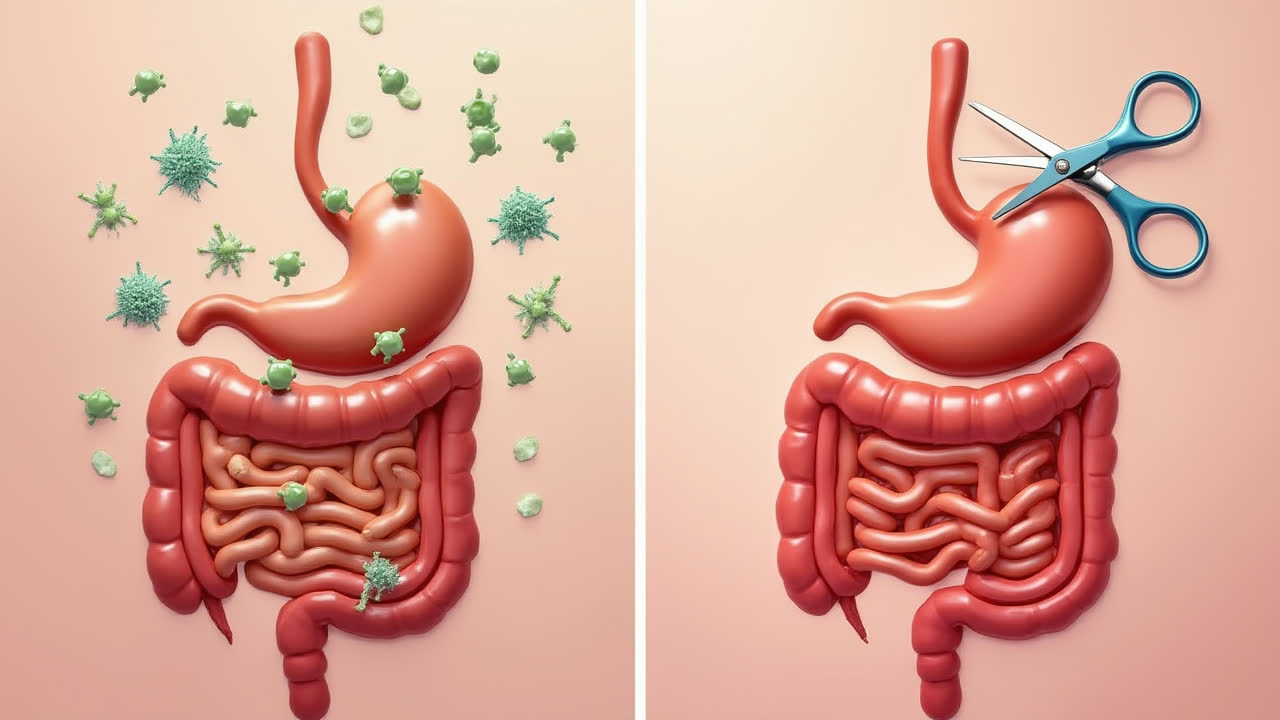
When it comes to digestive health, two terms often come up in conversation: probiotics and digestive enzymes. While both play crucial roles in our digestive system, they function in completely different ways. Have you ever wondered what makes them distinct from each other? The difference between these two digestive helpers might surprise you.
In my years researching gut health, I've found that many people confuse these two important components. As defined by the World Health Organization, probiotics are "live micro-organisms which, when administered in adequate amounts, confer a health benefit on the host." On the other hand, digestive enzymes are specialized proteins that break down food into smaller components for better absorption. Understanding this fundamental difference is the first step toward optimizing your digestive health.
Let's dive deeper into both probiotics and digestive enzymes to understand their unique functions, benefits, and how they work together for optimal digestive health. After all, a healthy gut often means a healthier you!
What Are Probiotics?
Probiotics are beneficial living microorganisms that primarily reside in our intestines. These friendly bacteria help maintain the natural balance of organisms in our intestines. They're not just passive residents – they actively contribute to our overall health in numerous ways. I remember when I first learned about the trillions of bacteria living in our gut – it completely changed how I viewed my body's ecosystem.
The main function of probiotics in our digestive system is to assist with vitamin and mineral absorption. They're particularly helpful in producing beneficial free fatty acids and even synthesizing some vitamins, like vitamin K. If you've ever suffered from lactose intolerance, you might be interested to know that probiotics can help prevent its symptoms by breaking down lactose that your body struggles to digest.
Beyond digestion, probiotics offer several health benefits that might surprise you. They've been associated with reducing the risk of colon cancer, preventing cholesterol absorption, and alleviating constipation and hemorrhoids. Some studies even suggest connections to improved mental health – though I find the research is still developing in this fascinating area.
Where can you find these beneficial microorganisms? Fermented foods are your best natural source. Yogurt is perhaps the most well-known probiotic food, but others include kefir, sauerkraut, microalgae, pickles, kimchi, and tempeh. I've personally incorporated more kimchi into my diet and noticed a difference in my digestive comfort – though your experience might vary!
The most common probiotic bacteria come from the Bifidobacterium and Lactobacillus genera. Specific strains include B. longum, B. breve, B. infantis, L. helveticus, L. rhamnosus, L. plantarum, L. casei, and Lactobacillus johnsonii. Each strain offers slightly different benefits, which is why many probiotic supplements contain multiple varieties.
What Are Digestive Enzymes?
Digestive enzymes are specialized proteins that function as biological catalysts in our digestive system. Unlike probiotics, these are not living organisms but chemical substances naturally produced by our bodies. Their primary job is to break down the food we eat into smaller, more absorbable components – essentially, they're the demolition crew of our digestive system.
The digestive process begins the moment food enters your mouth. Salivary amylase, a digestive enzyme in saliva, starts breaking down carbohydrates immediately. As food travels through your digestive tract, different enzymes continue this breakdown process. The stomach, pancreas, and small intestine all secrete various enzymes designed to target specific nutrients.
Digestive enzymes can be categorized into several types based on what they break down. Proteases and peptidases tackle proteins, splitting them into smaller peptides and amino acids. Lipases work on fats, breaking them down into fatty acids and glycerol molecules. Amylases handle carbohydrates like starches and sugars, converting them into simple sugars such as glucose. And nucleases break down nucleic acids into nucleotides.
Our bodies produce these enzymes in several locations throughout the digestive system. The main production sites include the salivary glands in the oral cavity, secretory cells in the stomach lining, secretory cells in the pancreas, and secretory glands in the small intestine. Each site specializes in producing specific types of enzymes tailored to that part of the digestive process.
Interestingly, digestive enzymes aren't exclusive to humans or even animals. They're also found in the traps of carnivorous plants, helping these unusual flora digest their insect prey. I once saw a demonstration of a Venus flytrap's digestive process – nature's ingenuity never ceases to amaze me!
Common examples of digestive enzymes include lingual lipase, salivary amylase, lysozyme, pepsin, maltase, lactase, and sucrase. Each plays a specific role in breaking down different components of our food. For instance, if you're lactose intolerant, you likely don't produce enough lactase – the enzyme responsible for breaking down the lactose in dairy products.
Comparison Between Probiotics and Digestive Enzymes
| Comparison Point | Probiotics | Digestive Enzymes |
|---|---|---|
| Definition | Live microorganisms that provide health benefits when consumed | Chemical substances that help break down food into smaller units |
| Biological Nature | Living organisms (bacteria and yeasts) | Non-living proteins made up of amino acid chains |
| Primary Function | Support gut flora balance, aid in nutrient absorption | Break down macronutrients into smaller, absorbable molecules |
| Location in Body | Mainly in the intestines | Throughout the digestive tract (mouth, stomach, intestines) |
| Source in Body | Not naturally produced; must be consumed | Produced by various glands in the digestive system |
| Food Sources | Fermented foods (yogurt, kefir, sauerkraut, kimchi) | Not found in foods; enzyme supplements come from plants or animals |
| Examples | Lactobacillus, Bifidobacterium strains | Amylase, lipase, protease, lactase |
| Affected by Heat | Yes, high heat kills probiotics | Yes, high heat denatures enzyme proteins |
How They Work Together
While probiotics and digestive enzymes have distinct functions, they work synergistically to support optimal digestive health. Think of digestive enzymes as the first wave of your digestive process – they physically break down food into smaller components. Probiotics then come into play as the second wave, helping to further process nutrients and maintain a healthy gut environment.
I've noticed in my own health journey that addressing both aspects of digestion often yields better results than focusing on just one. For example, someone with lactose intolerance might benefit from both a lactase enzyme supplement (to break down lactose) and probiotics (to help manage symptoms and support overall gut health).
It's worth noting that digestive issues can stem from deficiencies in either area. Insufficient digestive enzymes might lead to undigested food reaching the colon, where it can ferment and cause gas and bloating. Similarly, an imbalance in gut bacteria (dysbiosis) can affect how efficiently nutrients are absorbed and processed by the body. By supporting both systems, you're creating a more comprehensive approach to digestive wellness.
Some health practitioners suggest taking probiotics and enzymes at different times for maximum benefit. Digestive enzymes are typically most effective when taken with meals, while probiotics might be better absorbed on an empty stomach. However, I'd recommend consulting with a healthcare provider for personalized advice – what works for one person might not work for another.
Frequently Asked Questions
Should I take both probiotics and digestive enzymes?
Whether you should take both probiotics and digestive enzymes depends on your specific health needs. Some people benefit from taking both, especially those with comprehensive digestive issues. Probiotics help maintain a healthy gut microbiome, while digestive enzymes assist with breaking down food. If you're experiencing digestive discomfort, food intolerances, or have been on antibiotics, you might benefit from both. However, it's always best to consult with a healthcare provider before starting any new supplement regimen to ensure it's appropriate for your individual health situation.
What happens if you have a lack of digestive enzymes?
A lack of digestive enzymes can lead to various digestive issues as your body struggles to break down food properly. Common symptoms include bloating, gas, abdominal pain, diarrhea, and undigested food in stool. You might also experience nutrient deficiencies over time as your body cannot properly extract nutrients from food. Specific conditions like lactose intolerance (lack of lactase) or exocrine pancreatic insufficiency (reduced pancreatic enzyme production) are examples of enzyme deficiencies. If you suspect you have an enzyme deficiency, it's important to consult with a healthcare provider for proper diagnosis and treatment options, which may include dietary changes or enzyme supplements.
Can probiotics replace digestive enzymes?
Probiotics cannot directly replace digestive enzymes as they serve different functions in the digestive process. Digestive enzymes are proteins that specifically break down food into smaller, absorbable components. Probiotics are living microorganisms that support gut health, aid in nutrient absorption, and help maintain a balanced microbiome. While some probiotic bacteria may produce small amounts of certain enzymes, this production is not sufficient to replace the primary digestive enzymes your body needs. If you have a diagnosed enzyme deficiency, probiotic supplements alone would not be an adequate substitution for enzyme supplementation. Both have their place in supporting digestive health but work through different mechanisms.
Conclusion
Understanding the difference between probiotics and digestive enzymes is essential for anyone looking to optimize their digestive health. While both support digestion, they do so in fundamentally different ways – probiotics as living microorganisms that support gut flora and overall health, and digestive enzymes as specialized proteins that break down food into absorbable nutrients.
Many people might benefit from supporting both systems, especially those experiencing digestive discomfort or specific health conditions. However, the approach should be tailored to individual needs. As with any supplement, it's always wise to consult with a healthcare provider before starting something new.
Have you tried incorporating more probiotic-rich foods into your diet, or considered whether enzyme support might benefit your digestive process? The journey to optimal gut health is highly personal, but understanding these key players is a significant first step. Your digestive system does incredible work every day – giving it the right support can make all the difference in how you feel!