Silk vs Satin: Key Differences & Which One to Choose
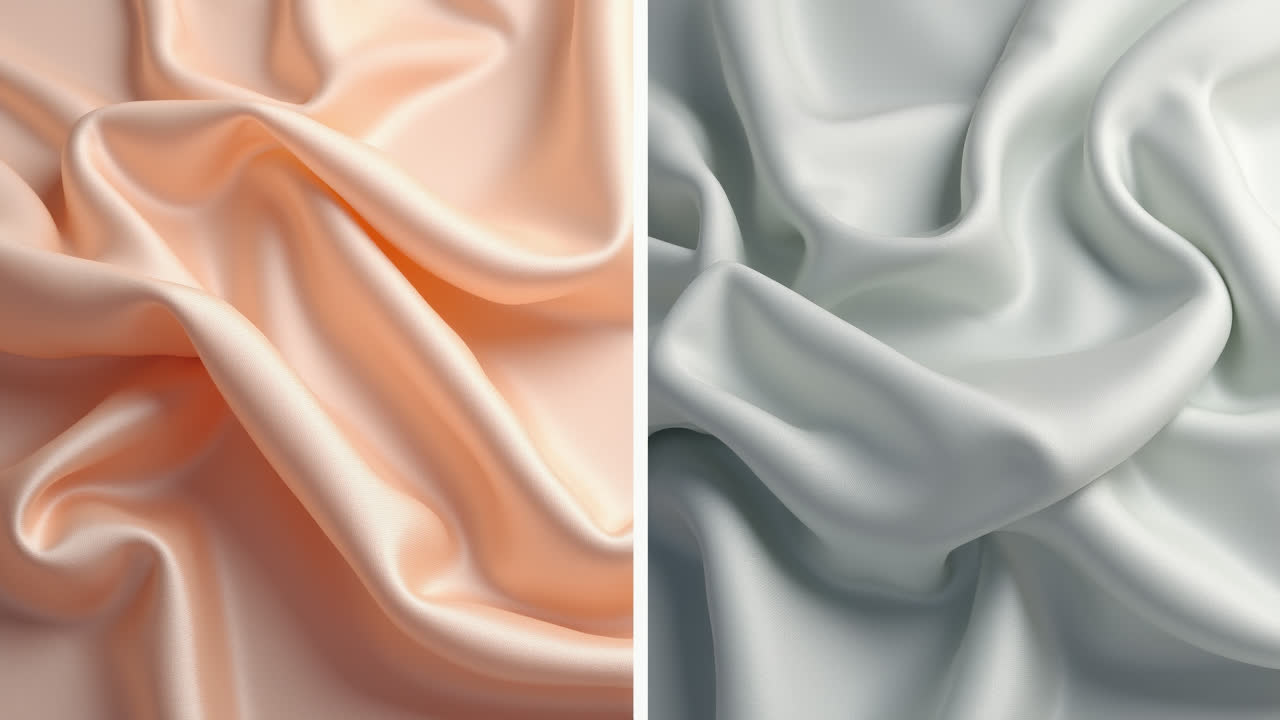
When it comes to luxurious fabrics, silk and satin often come to mind. But did you know they're not exactly the same thing? I've spent years working with fabrics, and I can tell you that understanding the difference between these two materials can save you from making costly mistakes. Whether you're shopping for bedding, clothing, or upholstery, knowing how silk and satin differ will help you make the perfect choice for your needs.
The most significant difference is that silk refers to the actual fiber itself, while satin describes a specific type of weave. This distinction might seem minor, but it has huge implications for durability, price, and care requirements. Let me walk you through everything you need to know about these two fabrics, and trust me, by the end of this article, you'll be shopping for textiles like a pro!
What Exactly is Silk?
Silk is nature's luxury fabric, spun from the cocoons of silkworms (specifically the Bombyx mori). I still remember the first time I held raw silk threads – they were surprisingly strong, yet incredibly delicate at the same time. This natural protein fiber has been treasured for thousands of years, and for good reason.
The production process is fascinating. Silkworms create cocoons to protect themselves during metamorphosis, and these cocoons are carefully unraveled to create continuous threads. Each cocoon can produce up to 1,600 yards of silk fiber! This labor-intensive process is one reason why silk has always been considered a premium fabric.
What makes silk truly special? Well, it's remarkably versatile. It keeps you cool in summer and warm in winter – something few fabrics can claim. Plus, it's naturally hypoallergenic, making it perfect for people with sensitive skin. I've noticed that my silk shirts last much longer than expected, despite their delicate appearance.
Understanding Satin: More Than Meets the Eye
Here's where things get interesting: satin isn't actually a type of fiber like silk. Instead, it's a weaving technique that creates that signature glossy appearance we all love. When I first learned this, it was a real lightbulb moment for my understanding of textiles.
The satin weave involves four or more fill yarns floating over a warp yarn, creating long, uninterrupted threads on the surface. This gives satin its characteristic smoothness and shine. Think of it like this: while silk is the ingredient, satin is the recipe. You can make satin from various fibers including silk, polyester, nylon, rayon, and even cotton.
What I find particularly interesting about satin is its versatility. Since it can be made from different materials, there's a satin option for almost every budget and need. Polyester satin, for instance, is much more affordable than silk satin but still captures that luxurious look and feel to some degree.
Key Differences: Silk vs Satin Comparison
| Aspect | Silk | Satin |
|---|---|---|
| Material Type | Natural fiber from silkworms | Weaving technique using various fibers |
| Fiber Content | 100% natural silk | Can be silk, polyester, nylon, cotton, or rayon |
| Price Range | Expensive ($50-$300+ per yard) | Varies widely ($5-$100+ per yard) |
| Durability | Strong but can weaken when wet | Depends on fiber used (polyester most durable) |
| Care Requirements | Delicate washing, air dry preferred | Care depends on fiber content |
| Breathability | Highly breathable, temperature regulating | Varies by fiber (silk satin most breathable) |
| Allergenic Properties | Hypoallergenic, natural material | Depends on fiber (synthetics may cause reactions) |
| Elasticity | Poor to moderate elasticity | Varies by fiber content |
Which One Should You Choose?
This is the million-dollar question, isn't it? I've been asked this countless times, and honestly, there's no one-size-fits-all answer. Your choice depends on your budget, intended use, and personal preferences.
For bedding, I personally swear by silk sheets. Yes, they're pricier, but the temperature regulation is unmatched. Plus, they're gentler on your skin and hair overnight. However, if budget is a concern, a good quality polyester satin can provide some of the same luxurious feel at a fraction of the cost.
For clothing, consider your lifestyle. If you're someone who hates ironing and needs easy-care fabrics, satin made from polyester might be your best friend. But if you want that premium feel and natural breathability, nothing beats genuine silk. Just be prepared to invest in proper care!
Care and Maintenance: Tips from the Trenches
Here's where I'll share some hard-earned wisdom. Silk requires special care – no two ways about it. I've made the mistake of washing a silk blouse in regular detergent, and let's just say it didn't end well. Always use silk-specific cleaners or gentle, pH-neutral soaps.
For satin, your care routine depends entirely on the base fiber. Polyester satin? Toss it in the washing machine (though I still use a gentle cycle). Cotton satin? Similar care to regular cotton. But silk satin? Treat it like the precious commodity it is – gentle hand washing or professional cleaning only.
A pro tip I've learned the hard way: avoid exposing silk to direct sunlight for extended periods. It can weaken the fibers and cause discoloration. I now store all my silk items in breathable fabric bags, away from UV light.
The Environmental Factor
Something worth considering is sustainability. Silk is biodegradable and renewable, which appeals to eco-conscious consumers. However, silk production can be controversial due to ethical concerns about silkworms. Some producers now offer "peace silk" where moths emerge before cocoon harvesting.
Synthetic satin made from polyester, on the other hand, isn't biodegradable and is derived from petroleum products. But it does have a longer lifespan and requires less water to produce. It's one of those environmental trade-offs we have to navigate in the modern world.
Common Misconceptions I've Encountered
Let me clear up some myths I hear all the time. First, not all shiny fabric is satin. I've seen people confuse sateen (a cotton weave) with satin. While they look similar, sateen has less shine and a matte finish on the back.
Another misconception? That satin is always slippery. In reality, the slipperiness depends on the fiber content. I've found that silk satin has a different texture compared to polyester satin – less slick, more substantial somehow.
And here's a big one: some people think "silk-like" means the same as silk. It doesn't! Synthetic satins can mimic silk's appearance, but they can't replicate its unique properties like breathability and natural protein structure.
Real-World Applications and Personal Experiences
I've worked with both fabrics extensively, and each has its place. For formal wear, I've noticed silk maintains its elegant drape better than most satins. But for stage costumes that need frequent washing? Polyester satin wins every time.
In hospitality settings, I've seen hotels opt for silk pillowcases to promote hair health for guests. Meanwhile, budget-conscious venues choose high-quality polyester satin for their bedding – guests can hardly tell the difference unless they really know their textiles.
One surprising application I love: silk satin for photography backdrops. The way it reflects light is absolutely gorgeous, though you'll pay a premium for it. For everyday photo shoots, regular satin does the job beautifully.
Making Your Decision: A Practical Approach
So, how do you choose between silk and satin? Start by asking yourself these questions: What's my budget? How often will I use this item? Do I have the time and resources for proper care? How important is sustainability to me?
For special occasions or gifts, genuine silk makes a statement. It shows thoughtfulness and quality. But for everyday luxury, a well-made satin can deliver satisfaction without the silk price tag.
I always recommend trying before buying if possible. Touch the fabric, check its weight, and consider how it feels against your skin. After all, the best fabric is the one that makes you feel good wearing or using it.
Frequently Asked Questions
Can you wash silk and satin in the same way?
No, washing methods vary significantly. Silk requires gentle hand washing or dry cleaning with pH-neutral products, while satin's care depends on its fiber content. Polyester satin can typically be machine washed, but silk satin needs the same delicate care as regular silk.
Is satin always cheaper than silk?
Not necessarily. While polyester satin is much cheaper than silk, silk satin can be even more expensive than regular silk fabric due to the specialized weaving process. The price depends entirely on the fiber content of the satin.
Which is better for skin and hair?
Silk is generally better for skin and hair due to its natural protein structure and hypoallergenic properties. It creates less friction, helping prevent hair breakage and skin creasing. While some satins can mimic these benefits, genuine silk remains the superior choice for beauty benefits.