Sprouts vs Microgreens: Complete Comparison Guide
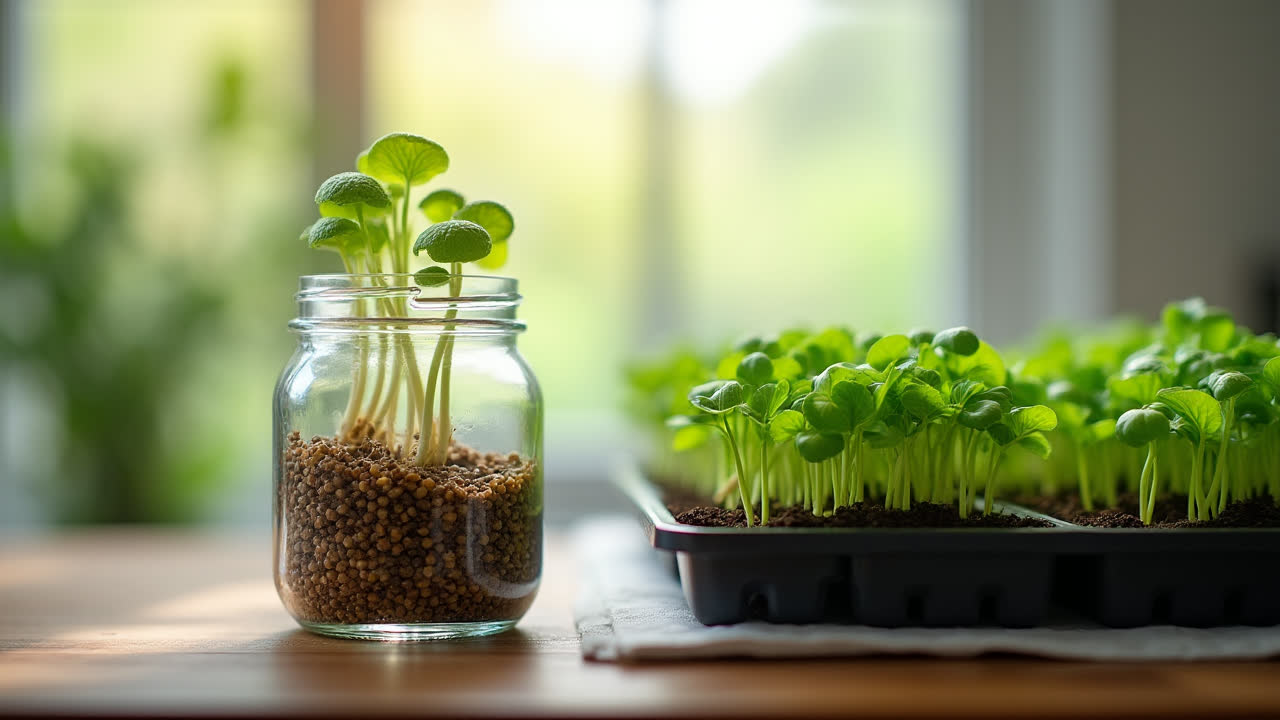
Have you ever wondered about the difference between those tiny green shoots garnishing your salad? In the world of nutritious food additions, sprouts and microgreens often get confused with each other. While they might look similar at first glance, they're actually distinct in many ways - from how they're grown to how they taste on your plate. Whether you're a health enthusiast, home gardener, or just curious about these nutrient-packed foods, understanding their differences can help you make better choices for your meals and growing projects.
Both sprouts and microgreens represent early stages of plant growth, but they're harvested at different points in the plant's life cycle. These tiny plants pack a nutritional punch that far exceeds their size, making them popular additions to health-conscious diets worldwide. In this comprehensive guide, we'll explore everything you need to know about these miniature greens - breaking down their similarities, differences, growing methods, and the best ways to enjoy them in your kitchen.
What Are Sprouts? Growth Process and Characteristics
Sprouts represent the earliest stage of a plant's growth journey. They begin as dormant seeds that, when exposed to moisture, awaken from their slumber and start their transformation into plants. The germination process of sprouts is remarkably simple and doesn't require soil - just water, appropriate temperature, and a bit of patience. Most sprouts are ready to harvest in just 5-7 days, making them one of the quickest food crops you can grow.
During sprouting, seeds first absorb water, which activates enzymes and triggers the germination process. The seed coat splits, and a tiny root (radicle) emerges, followed by the first shoot. What makes sprouts unique is that you consume the entire structure - including the seed, root, stem, and sometimes tiny leaves. Common examples include mung bean sprouts, alfalfa sprouts, broccoli sprouts, and lentil sprouts. Each variety offers its own flavor profile, from mild and nutty to slightly spicy or bitter.
Growing sprouts at home is remarkably straightforward. You simply soak seeds in water for several hours, drain them, and then rinse and drain them several times daily until they reach the desired size. This process is typically done in a jar with a mesh lid or in a specialized sprouting tray. Sprouts thrive in dark or indirect light conditions with good air circulation to prevent mold. Their minimal requirements make them accessible to anyone, regardless of gardening experience or available space.
From a nutritional standpoint, sprouts are powerhouses. During germination, the seed converts its stored nutrients into more bioavailable forms, making sprouts sometimes more nutritious than both the original seed and the mature plant. They're rich in protein, fiber, vitamins (especially B vitamins and vitamin C), minerals, and beneficial plant compounds. However, because they're grown in warm, humid conditions, proper hygiene is essential during cultivation to prevent bacterial growth.
Understanding Microgreens: Growth Process and Characteristics
Microgreens are young vegetable greens that fall somewhere between sprouts and baby greens in the plant growth cycle. Unlike sprouts, microgreens require a growing medium - typically soil or a soil substitute like coconut coir or a growing mat. They also need adequate light to develop their characteristic vibrant colors and complex flavors. The growth period for microgreens is longer than sprouts, typically taking 1-3 weeks before they're ready to harvest.
The journey of a microgreen begins similarly to a sprout, with seed germination. However, instead of harvesting at the first sign of growth, microgreens are allowed to develop their first set of true leaves. When harvesting microgreens, only the stem and leaves are collected - the root system and seed remain in the growing medium. This targeted harvesting contributes to their cleaner flavor profile compared to sprouts. Popular microgreen varieties include sunflower, pea shoots, radish, arugula, mustard, cilantro, and countless others.
Growing microgreens requires a bit more setup than sprouts. You'll need a shallow container, growing medium, seeds, water, and good light source (either sunlight or grow lights). Seeds are sown densely on the surface of moist growing media, sometimes covered lightly, and then exposed to light once germination occurs. Unlike sprouts, which need frequent rinsing, microgreens typically just need regular watering at the base to keep the growing medium moist. This difference in growing methods results in microgreens having a lower risk of bacterial contamination.
Nutritionally, microgreens are superstars. Research has shown that many microgreens contain higher concentrations of vitamins, minerals, and antioxidants than their mature counterparts - sometimes by factors of 4-40 times! Their vibrant colors indicate the presence of various phytonutrients, and their intense flavors make them excellent additions to dishes where you want to add nutritional value without overwhelming bulk. While they take longer to grow than sprouts, their enhanced flavor profiles and nutritional benefits make them worth the wait for many enthusiasts.
Side-by-Side Comparison: Sprouts vs Microgreens
Understanding the fundamental differences between sprouts and microgreens can help you decide which is better suited for your needs. Let's break down these differences in a systematic way.
| Characteristic | Sprouts | Microgreens |
|---|---|---|
| Germination Time | 5-7 days | 1-3 weeks |
| Growing Medium | Water only (no soil) | Soil or soil-like material (peat moss, coconut coir) |
| Light Requirements | Dark or indirect light | Direct sunlight or grow lights |
| Parts Consumed | Entire structure (seed, root, stem) | Only stems and leaves |
| Flavor Profile | Mild, sometimes bean-like | More complex, concentrated flavor of mature plant |
| Growing Density | Many seeds close together | Lower seed density with some spacing |
| Typical Consumption | Often slightly steamed or cooked | Usually consumed raw |
| Bacterial Risk | Higher (warm, moist environment) | Lower (growing in medium with less humidity) |
Health Benefits and Nutritional Value
Both sprouts and microgreens offer impressive nutritional profiles that can enhance your diet in significant ways. These tiny plants are living foods, still in active growth when harvested, which contributes to their exceptional nutrient density. Let's explore the specific health benefits of each.
Sprouts undergo a remarkable transformation during germination. The dormant seed activates enzymes that break down complex molecules into simpler forms, making nutrients more bioavailable. This process also reduces anti-nutrients that can interfere with mineral absorption. Sprouts are particularly rich in active enzymes that aid digestion, along with protein, fiber, and vitamins. For example, broccoli sprouts contain sulforaphane, a compound with potential cancer-fighting properties. Bean sprouts provide complete protein with all essential amino acids. Additionally, the vitamin C content in many sprouts increases dramatically during sprouting - sometimes up to 10 times the amount in the unsprouted seed!
Microgreens, with their longer growth period, develop more complex nutritional profiles. Their vibrant colors signal the presence of different phytonutrients - red microgreens often contain anthocyanins, while deep green varieties are rich in chlorophyll. Research from the USDA found that many microgreens contain 4-40 times the nutrients of their mature counterparts by weight. Nutrients commonly found in high concentrations include vitamins C, E, and K, along with carotenoids and a range of minerals. The exact nutritional profile varies significantly by variety - red cabbage microgreens are high in vitamin C, while sunflower microgreens provide substantial protein and healthy fats.
When incorporating these powerhouses into your diet, variety is key. Different sprouts and microgreens offer different nutrient profiles, so rotating types can provide a broader spectrum of benefits. While both are nutritious, microgreens generally offer more complex flavors and potentially higher nutrient concentrations, making them excellent garnishes where a little goes a long way. Sprouts, being more neutral in flavor, can be added in larger quantities to dishes. Both can contribute to improved digestion, immune function, and overall health when included as part of a balanced diet.
Growing at Home: Methods and Tips
Growing your own sprouts and microgreens at home can be a rewarding experience that provides fresh, living foods at a fraction of the cost of store-bought versions. Let's look at the methods for growing each type, along with some practical tips for success.
Growing Sprouts: Simple and Quick
To grow sprouts, you'll need seeds specifically labeled for sprouting (untreated and preferably organic), a jar or sprouting tray, and a mesh lid or cloth for drainage. The basic process is straightforward:
- Soak seeds in water for the recommended time (usually 4-12 hours depending on the seed)
- Drain thoroughly and rinse with clean water
- Place in a jar or sprouter, positioned at an angle for drainage
- Rinse and drain 2-3 times daily until sprouts reach desired size
- Give a final rinse, drain well, and store in the refrigerator
For successful sprouting, maintain good air circulation to prevent mold growth, and keep sprouts in a location with indirect light. Different seeds have different ideal sprouting conditions - smaller seeds like alfalfa or broccoli typically sprout quickly and easily, while larger beans might take longer and require more frequent rinsing. A common mistake is using too many seeds at once, which can lead to poor air circulation and potential spoilage. Start with small batches until you get a feel for the process.
Growing Microgreens: A Step Up
For microgreens, you'll need seeds (again, untreated and preferably organic), a shallow container with drainage holes, growing medium (soil, coconut coir, or specialized growing mats), and a light source. Here's the basic process:
- Fill your container with 1-2 inches of moistened growing medium
- Spread seeds evenly across the surface (density depends on the seed type)
- Cover with a very thin layer of growing medium or simply press into contact with the medium
- Cover the container to maintain moisture during germination
- Once germinated, remove cover and place in light
- Water gently from below or with a spray bottle
- Harvest when the first true leaves appear (typically 7-21 days)
Success with microgreens depends on proper light exposure (either a sunny window or grow lights positioned a few inches above), consistent moisture (not too wet, not too dry), and good air circulation. Some seeds, like peas and sunflower, benefit from pre-soaking before sowing, while tiny seeds like amaranth or basil should be sown directly. Harvesting is done by cutting just above the soil line with clean scissors or a sharp knife.
For both sprouts and microgreens, maintaining cleanliness is crucial. Always wash your hands before handling, use clean containers and tools, and source high-quality seeds. Starting with these basics, you can expand your growing repertoire over time, experimenting with different varieties and growing conditions to find what works best in your particular environment.
Culinary Uses and Flavor Profiles
The distinct characteristics of sprouts and microgreens translate to different applications in the kitchen. Understanding their flavor profiles and best uses can help you incorporate these nutritional powerhouses into your meals in the most delicious ways possible.
Cooking with Sprouts
Sprouts generally have milder flavors than microgreens, with textures ranging from crisp to slightly chewy. Bean sprouts, like mung bean or lentil, have a slight bean-like taste with a satisfying crunch, making them perfect for adding texture to stir-fries, spring rolls, and sandwiches. These heartier sprouts can withstand brief cooking, which many people prefer for safety reasons. Alfalfa sprouts offer a mild, grassy flavor that pairs well with avocado toast, sandwiches, and wraps. Broccoli sprouts, while packing a nutritional punch, have a stronger, slightly peppery flavor that can stand up to robust dressings in salads.
One of my favorite ways to use sprouts is in a quick lunch wrap - I'll spread hummus on a whole grain tortilla, add a generous handful of mixed sprouts, some grated carrot, and avocado slices. The sprouts add a pleasant textural contrast and subtle flavor that complements the creaminess of the other ingredients without overwhelming them. For a simple Asian-inspired side dish, I sometimes briefly stir-fry mung bean sprouts with a touch of sesame oil, garlic, and soy sauce - just 30 seconds in the wok preserves their crunch while adding flavor.
Cooking with Microgreens
Microgreens shine with their concentrated flavors that often mirror their mature counterparts, but in a more delicate form. Radish microgreens deliver a spicy kick, cilantro microgreens offer the distinctive cilantro flavor without the full intensity, and pea shoots provide a sweet, garden-pea taste. Their vibrant colors and pronounced flavors make them ideal as finishing touches on dishes where they can make a visual and flavor impact.
I've found that microgreens work beautifully as garnishes for soups, risottos, and protein dishes, adding a fresh contrast to cooked foods. They elevate simple avocado toast or scrambled eggs to restaurant-quality dishes with minimal effort. For special occasions, try layering different colored microgreens on canapés or flatbreads for stunning visual impact. Unlike sprouts, microgreens are almost always consumed raw, as their delicate structure doesn't hold up well to cooking, and heat would diminish their visual appeal and nutritional value.
Both sprouts and microgreens can be incorporated into smoothies for an additional nutrient boost without significantly altering the flavor profile. For sprouts, milder varieties like alfalfa work best, while for microgreens, sweeter types like pea shoots or sunflower blend well with fruit-based smoothies. The key to enjoying both is freshness - their quality deteriorates rapidly after harvest, so growing your own ensures the best flavor and nutritional value. When purchasing, look for crisp, vibrant specimens with no signs of wilting or yellowing, and use them within a few days for optimal enjoyment.
Frequently Asked Questions
Are sprouts or microgreens safer to eat?
Microgreens are generally considered safer to eat than sprouts because they're grown in a different environment with lower humidity and better air circulation, which reduces the risk of bacterial growth. Additionally, with microgreens, you're only consuming the above-soil portions (stems and leaves), not the seeds or roots where bacteria most commonly reside. If you're concerned about safety, particularly for vulnerable populations like pregnant women, elderly, or those with compromised immune systems, microgreens may be the better choice. For sprouts, cooking them briefly reduces risks while still retaining most nutrients.
Which is more cost-effective to grow at home: sprouts or microgreens?
Sprouts are generally more cost-effective to grow at home than microgreens. This is because sprouts require fewer inputs - just water and seeds - and no growing medium or special lighting. Additionally, sprouts yield more edible mass per seed because you eat the entire sprout including the seed. For example, one tablespoon of broccoli seeds can yield a quart jar of sprouts within a week. Microgreens, while still economical compared to store-bought, require soil or another growing medium, containers, and potentially grow lights if you don't have adequate natural light. They also take longer to grow, meaning your investment takes more time to pay off.
Can all seeds be used for both sprouting and growing microgreens?
Not all seeds work equally well for both sprouting and microgreens. Some seeds excel as sprouts but make poor microgreens, and vice versa. For example, beans like mung beans and lentils make excellent sprouts but aren't typically grown as microgreens. Conversely, some herbs like basil make wonderful microgreens but aren't commonly sprouted. Seeds from the nightshade family (tomatoes, potatoes, eggplants) should not be sprouted or grown as microgreens as their sprouts contain toxic compounds. Always purchase seeds specifically labeled for sprouting or microgreens, as these are untreated and tested for pathogen content. Regular garden seeds may be treated with fungicides or other chemicals not intended for direct consumption.
Conclusion: Choosing Between Sprouts and Microgreens
Both sprouts and microgreens offer unique benefits that make them valuable additions to a health-conscious diet. Your choice between them might depend on several factors including your growing space, time commitment, flavor preferences, and intended culinary uses.
If you're just starting out with indoor growing, sprouts provide an accessible entry point with minimal equipment and quick results. They're perfect for those with limited space, no access to good lighting, or who want a quick turnaround from seed to plate. The mild flavor of many sprouts makes them versatile additions to a wide range of dishes, and their crunchy texture adds interest to sandwiches and salads.
Microgreens, while requiring a bit more setup and patience, reward you with intense flavors and potentially higher nutrient concentrations. They're ideal for those who appreciate subtle culinary distinctions and want to add gourmet touches to their home cooking. The reduced risk of bacterial contamination may also make them a better choice for those with safety concerns.
Of course, there's no reason to choose exclusively between the two. Many home growers maintain both a sprouting setup for quick, easy sprouts and a microgreen growing station for variety and culinary versatility. By rotating different seeds through both systems, you can enjoy a constant supply of living foods with diverse nutritional profiles and flavors.
Whichever you choose to grow, both sprouts and microgreens represent a connection to the incredible life force contained within seeds - a reminder of nature's remarkable ability to transform simple inputs into nutritious, delicious food. As you watch seeds transform before your eyes in just days, you might find that the growing process itself becomes as rewarding as the harvest. Happy growing!