Sweet Corn vs Regular Corn: Complete Comparison Guide
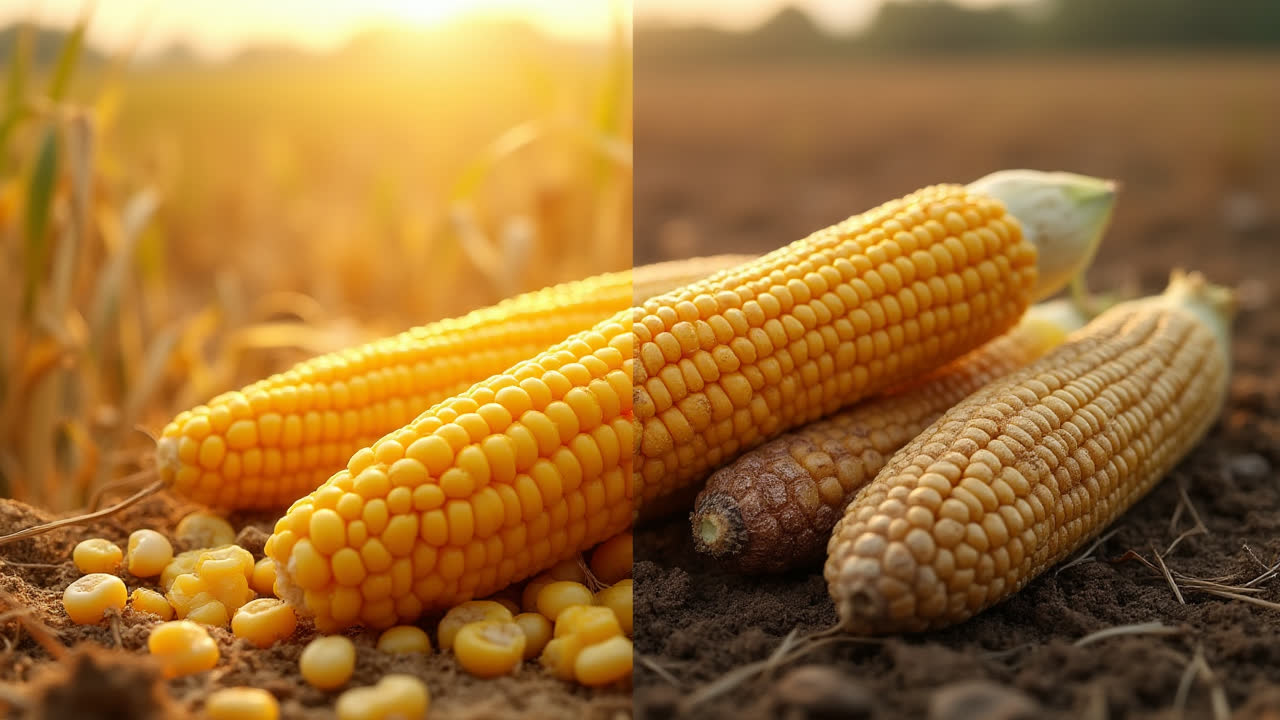
Have you ever wondered why some corn tastes so much sweeter than others? Or maybe you've stood in the grocery store, staring at different corn varieties, wondering which one to choose for your barbecue. The difference between sweet corn and regular corn goes far beyond just taste, affecting everything from harvesting times to nutritional content.
As someone who grew up helping on my grandparents' farm, I've had my hands in cornfields since I was tall enough to reach the stalks. That experience taught me that what most people call "corn" is actually a diverse family of plants with fascinating differences. Let's dig into what makes these two corn varieties unique and which might be better for your specific needs.
What Exactly Is Sweet Corn?
Sweet corn (sometimes called sugar corn or pole corn) is a special variety of maize that contains higher sugar content than other corn varieties. If you've ever bitten into a juicy corn on the cob at a summer barbecue that tasted naturally sweet and delicious, you were probably enjoying sweet corn.
The plants themselves are relatively easy to identify in a field. Sweet corn plants typically appear shorter and more spindly compared to their regular corn cousins. They don't grow as tall and have fewer leaves, giving them a distinctly different appearance when grown side by side with field corn.
One of the most interesting aspects of sweet corn is how farmers harvest it. Timing is absolutely critical! Sweet corn must be harvested while still immature – specifically when the silks at the top of the ear turn brown, but the husks remain predominantly green. This precise timing is necessary because sweet corn's signature sweetness comes from its sugar content, which begins converting to starch as soon as the corn reaches maturity.
This sugar-to-starch conversion is why store-bought sweet corn sometimes disappoints. Once harvested, you're essentially in a race against time. For the best flavor, sweet corn should be consumed fresh, frozen, or canned before the kernels become starchy and tough. I remember my grandmother always saying, "Get the water boiling before you pick the corn!" – sound advice for preserving maximum sweetness.
Beyond its delicious flavor, sweet corn offers several health benefits. It contains nutrients that support gut health and may help reduce the risk of conditions like heart disease, cancer, and type 2 diabetes. While all corn varieties have nutritional benefits, sweet corn's specific nutrient profile makes it a valuable addition to a balanced diet.
Understanding Regular Corn (Maize)
Regular corn, most commonly known as maize, is what many people picture when they think of cornfields stretching across rural landscapes. These are the taller, fuller plants with broader leaves that create the classic corn maze experience in fall festivals.
Unlike its sweeter cousin, regular corn isn't primarily grown for direct human consumption off the cob. Instead, it serves as a versatile agricultural staple that gets processed into countless everyday ingredients. Think cornmeal, cornflour, corn syrup, cornstarch, cornflakes, and even ethanol fuel – all typically come from regular field corn varieties.
The kernels of regular corn take on a deeper yellow color and are typically larger than sweet corn kernels. They contain less sugar and more starch, giving them a less sweet, sometimes almost bland taste when eaten directly off the cob. This isn't a flaw – it's by design! Regular corn varieties are intentionally harvested when fully mature to maximize starch content, which makes them better suited for processing.
From a nutritional standpoint, regular corn contains more calories, carbohydrates, proteins, fat, and dietary fiber than sweet corn. Yellow corn varieties are particularly rich in zeaxanthin and carotenoids lutein, which research suggests support eye health and may help prevent age-related macular degeneration.
I once tried making cornbread using kernels cut straight from a field corn cob instead of cornmeal – let's just say the experiment was memorable but not in a good way! The lesson? Different corn varieties have different purposes, and understanding these differences helps us use each type appropriately.
Key Similarities Between Sweet Corn and Regular Corn
Despite their differences, sweet corn and regular corn share many fundamental similarities. After all, they're members of the same plant family! Both varieties are technically types of maize and share the same basic botanical structure – kernels arranged on a cob, wrapped in a protective husk, attached to a tall grass-like plant.
Both sweet corn and regular corn are starchy foods, though in different proportions. This starch content makes all corn varieties an important source of energy in our diets. And while their nutritional profiles vary somewhat, both types provide valuable vitamins and minerals that contribute to overall health.
In the kitchen, both corn types can be versatile ingredients. While sweet corn might be preferred for dishes where corn is the star (like corn on the cob or corn salad), both varieties end up in a wide array of sweet and savory recipes across world cuisines. From Mexican elotes to Southern cornbread to Italian polenta, corn in its various forms has become integrated into food cultures globally.
Another similarity? Both types can come in a rainbow of colors! While yellow is most common, corn kernels can naturally appear in shades of white, blue, purple, red, and even black. This diversity isn't just beautiful – different colored corn varieties often contain different beneficial plant compounds.
Sweet Corn vs Regular Corn: Comprehensive Comparison
| Characteristic | Sweet Corn | Regular Corn |
|---|---|---|
| Flavor Profile | Naturally sweet, juicy | Less sweet, more starchy |
| Plant Appearance | Shorter, spindlier plants | Taller plants with fuller leaves |
| Harvesting Stage | Immature (milk stage) | Fully mature |
| Kernel Size | Smaller, more tender | Larger, firmer |
| Primary Uses | Eaten fresh, frozen, canned as vegetable | Processed into flour, meal, syrup, feed |
| Shelf Life | Short (sugar converts to starch) | Longer (can be dried and stored) |
| Nutritional Content | Lower in calories, carbs, protein | Higher in calories, carbs, protein, fiber |
| Best Cooking Methods | Boiling, steaming, grilling on the cob | Grinding, processing into meal or flour |
Choosing Between Sweet Corn and Regular Corn
So which type of corn should you choose? It really depends on what you're looking for. If you're planning a summer barbecue and want to serve corn on the cob, sweet corn is definitely your best option. Its natural sweetness and tenderness make it perfect for direct consumption. Look for ears with fresh green husks and brown silks that feel plump and full when gently squeezed.
On the other hand, if you're interested in making cornmeal for baking or want corn primarily as an ingredient in processed foods, regular field corn varieties would be more appropriate. These are rarely sold fresh in grocery stores but instead come as processed products or dried kernels.
For home gardeners, the choice might depend on your growing conditions and goals. Sweet corn varieties often require more attentive care and precise harvesting but reward you with delicious fresh eating. I've found that staggering sweet corn plantings every two weeks can extend your harvest season and prevent having more corn than you can eat at once.
From a nutritional perspective, both types offer benefits. Sweet corn provides a tasty way to enjoy corn's nutrients with fewer calories, while regular corn products like whole grain cornmeal provide more fiber and protein. Including both in your diet gives you the best of both worlds.
Have you ever tried growing your own corn? There's something magical about watching those first green shoots emerge from the soil. While it takes some space (corn is wind-pollinated and grows best in blocks rather than rows), the satisfaction of harvesting your own freshly grown corn is hard to beat.
Creative Ways to Use Both Corn Varieties
Once you understand the differences between corn types, you can get creative with how you use them in the kitchen. Sweet corn shines in recipes where its natural flavor is the star. Consider these delicious options for fresh sweet corn:
- Grilled corn on the cob with flavored butters (chili-lime is my personal favorite)
- Fresh corn salads with avocado, tomato, and herbs
- Corn chowder or creamy corn soup
- Corn fritters or pancakes
- Mexican-style street corn (elotes) with mayo, cheese, and spices
Products made from regular corn have their own culinary uses that highlight their strengths:
- Homemade cornbread or corn muffins using cornmeal
- Polenta or grits as a hearty base for savory toppings
- Corn tortillas for tacos or enchiladas
- Corn chips or homemade tortilla chips
- Thickening soups and stews with cornstarch
Don't forget that both varieties can be preserved for later use. Sweet corn freezes exceptionally well after a quick blanch in boiling water. I've found that cutting kernels off the cob before freezing makes them more versatile for winter cooking. Regular corn products like cornmeal and dried corn have naturally long shelf lives when stored properly in cool, dry conditions.
Frequently Asked Questions About Corn
Can you substitute sweet corn for regular corn in recipes?
You can substitute sweet corn for regular corn in many fresh recipes, but not in processed applications. Sweet corn works well in salads, soups, and as a side dish, but it doesn't perform the same in baking or as a thickening agent. For cornbread or polenta, you still need cornmeal made from field corn. The higher sugar content in sweet corn can also change the flavor profile of savory dishes, making them sweeter than intended.
Is sweet corn healthier than regular corn?
Neither type is definitively "healthier" - they just offer different nutritional profiles. Sweet corn contains less calories and starch but more natural sugars. Regular corn provides more protein, fiber, and certain vitamins and minerals. Sweet corn is often eaten in more natural forms (straight off the cob), while regular corn is frequently processed into products that may contain added ingredients. For the healthiest options with either type, choose minimally processed preparations without added sugars, salt, or fats.
How can you tell sweet corn from regular corn when shopping?
In grocery stores and farmers' markets, corn sold as fresh corn on the cob is almost always sweet corn. Regular field corn is rarely sold fresh for direct consumption. Sweet corn typically has more tightly packed, plump kernels that may appear more translucent, while dried field corn kernels are often larger and more opaque. If buying from a farm stand, simply ask the vendor which variety they're selling. Sweet corn will be labeled as varieties like "Silver Queen," "Peaches & Cream," or "Honey Select," while field corn might be labeled by types like "dent corn" or "flint corn."
Conclusion: Appreciating Corn Diversity
The differences between sweet corn and regular corn highlight the amazing diversity within what we often think of as a single crop. From sweet, juicy kernels perfect for summer barbecues to versatile field corn that becomes dozens of everyday ingredients, each type serves important and distinct purposes in our food system.
While sweet corn offers that unmistakable fresh sweetness we love in corn on the cob, regular corn provides the foundation for countless foods we consume daily. Both varieties contribute valuable nutrients to our diets, just in different forms and applications.
Next time you bite into a delicious ear of sweet corn or enjoy cornbread made from field corn, take a moment to appreciate the specific qualities of each variety. Understanding these differences not only helps us make better choices as consumers but also deepens our connection to the foods we eat and the agricultural systems that produce them.
Whether you're a gardening enthusiast, a culinary explorer, or simply a corn lover, knowing the unique characteristics of different corn varieties opens up new possibilities for enjoying this versatile and historically significant crop.