Sweet Orange vs Mandarin: Complete Comparison Guide
Sweet Orange vs Mandarin: Understanding the Key Differences
The world of citrus fruits is vibrant and diverse, with sweet oranges and mandarins being two of the most popular varieties enjoyed across the globe. While they may look similar at first glance, these fruits have distinct characteristics that set them apart. Have you ever grabbed what you thought was an orange, only to discover it was actually a mandarin? You're not alone!
In this comprehensive guide, we'll explore the fundamental differences between these two delicious citrus fruits, from their botanical classification and physical characteristics to their taste profiles and nutritional benefits. Whether you're a culinary enthusiast, a nutrition-conscious consumer, or simply curious about these sunny fruits, this comparison will help you distinguish between sweet oranges and their smaller cousins.
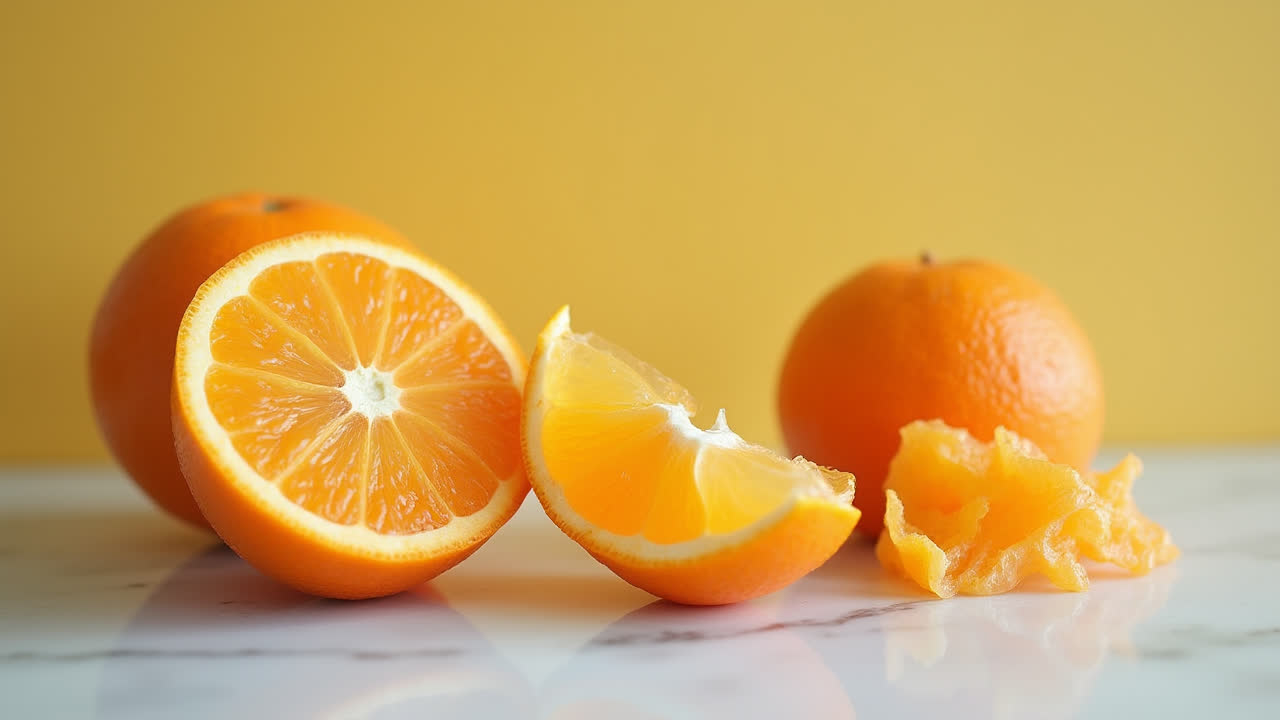
Sweet oranges are larger and typically have thicker skin
Mandarins are smaller with loose, easy-to-peel skin
Botanical Classification: Different Species in the Citrus Family
Both sweet oranges and mandarins belong to the Rutaceae family, but they're classified as different species. Sweet oranges (Citrus sinensis) are believed to have originated in China thousands of years ago. They're the result of natural hybridization between pomelo and mandarin, which explains some of their shared characteristics with mandarins.
On the other hand, mandarins (Citrus reticulata) represent a distinct species within the citrus family. The mandarin category includes various types like clementines, tangerines, and satsumas. Interestingly, mandarins are actually one of the original ancestral citrus species, along with pomelo and citron, from which many modern citrus fruits have been developed through natural and deliberate hybridization.
I once visited a citrus grove in Florida where the farmer explained how sweet oranges trees tend to grow taller and more upright, while mandarin trees often have a more spreading, somewhat drooping growth habit. The leaves are different too—orange tree leaves are generally larger and more elongated compared to the smaller, more rounded leaves of mandarin trees.
Physical Characteristics: Size, Shape, and Skin
One of the most noticeable differences between sweet oranges and mandarins is their physical appearance. Sweet oranges are typically larger, ranging from medium to large size (about 2.5-4 inches in diameter). They usually have a spherical to slightly oblong shape with a firm, relatively thick peel that adheres tightly to the flesh. This makes them somewhat challenging to peel by hand without a knife.
Mandarins, in contrast, are smaller fruits, usually measuring about 1.5-2.5 inches in diameter. Their shape tends to be slightly flattened at the top and bottom rather than perfectly round. Perhaps the most distinctive feature of mandarins is their loose, thin skin that separates easily from the flesh, making them incredibly easy to peel by hand. This characteristic has earned them the nickname "zipper-skins" in some regions.
The color of both fruits can range from deep orange to reddish-orange when fully ripe, though mandarins often have a more intensely orange appearance. While both start as green fruits, they transform to their characteristic orange color as they ripen. Some varieties of sweet oranges, like blood oranges, can develop striking red flesh, while mandarins generally maintain their bright orange interior.
Taste Profile: Sweetness, Acidity, and Flavor Notes
If you're blindfolded and taste both fruits, you'd likely be able to tell them apart immediately. Mandarins are generally sweeter and less acidic than sweet oranges. They offer a more concentrated sweetness with delicate flavor notes that many describe as honey-like or floral. The reduced acidity contributes to their approachable, child-friendly taste profile.
Sweet oranges, while certainly sweet (as their name suggests), typically maintain a balanced sweet-tart flavor profile with more pronounced acidity that gives them their refreshing quality. This higher acid content makes them excellent for juicing, as the acidity provides brightness and complexity that carries well in liquid form. The flavor of sweet oranges tends to be more robust and complex, with different varieties offering unique taste experiences.
I remember bringing both fruits to a family gathering, and my nephew, who usually avoids citrus because of the "sourness," happily devoured several mandarins while finding the oranges too tart for his liking. This personal experience perfectly illustrates the fundamental taste difference between these two fruits!
Nutritional Comparison: Vitamins, Minerals, and Health Benefits
Both sweet oranges and mandarins are nutritional powerhouses, but there are some notable differences in their nutrient profiles. Sweet oranges generally contain more vitamin C, fiber, and calories per serving compared to mandarins, primarily due to their larger size. A medium orange provides approximately 70mg of vitamin C (about 78% of the daily recommended value), while a mandarin offers around 26mg (29% DV).
Mandarins, however, contain more vitamin A and slightly higher amounts of certain B vitamins like B6. They're also somewhat lower in calories and sugar content per fruit, making them an excellent snack option. Both fruits provide beneficial plant compounds like flavonoids and carotenoids that have antioxidant properties.
The fiber content deserves special mention—oranges contain more dietary fiber, particularly in the white pith layer (albedo) that many people discard. This fibrous component not only supports digestive health but also contains valuable flavonoids. Mandarins have less pith, which contributes to their easier peeling but also means slightly less fiber.
Culinary Uses: How Each Fruit Shines in the Kitchen
Due to their different characteristics, sweet oranges and mandarins excel in different culinary applications. Sweet oranges are the go-to choice for juicing because of their higher juice content and balanced flavor profile. The juice works wonderfully in beverages, marinades, dressings, and sauces. The zest of oranges, rich in aromatic oils, is also widely used in baking and cooking to add citrus notes without acidity.
Mandarins, with their easy-peel nature and sweet segments, are perfect for eating fresh out of hand or adding to fruit salads and desserts. Their segments hold their shape well, making them ideal for tossing into green salads or incorporating into baked goods. Canned mandarin segments are popular in Asian-inspired salads and desserts, offering convenience while maintaining their distinct texture.
In my kitchen, I've found that orange zest works better in baked goods like cakes and cookies, providing a more robust citrus flavor, while mandarin segments are perfect for garnishing a chocolate mousse or adding to a winter salad with pomegranate seeds and walnuts. Each fruit brings its unique qualities to different dishes!
Seasonal Availability and Storage Considerations
Another practical difference between these fruits lies in their seasonal availability and how they store. Sweet oranges are generally available year-round in many parts of the world, with peak season in winter months for most varieties. They have a relatively good shelf life and can last 2-3 weeks when stored properly in a cool place or refrigerated.
Mandarins tend to have a more limited seasonal availability, with most varieties appearing in markets from late fall through winter, though this varies by type and growing region. Their thinner skin makes them somewhat more perishable than oranges, typically lasting about 1-2 weeks when refrigerated. The loose skin of mandarins also means they can dry out more quickly once peeled.
If you're looking to enjoy these citrus fruits outside their peak seasons, consider that oranges freeze well as juice, while mandarins can be purchased canned for year-round use in recipes. Some specialty varieties of both fruits may have very limited seasonal windows, making them special treats to look forward to each year.
Sweet Orange vs Mandarin: Side-by-Side Comparison
| Feature | Sweet Orange | Mandarin |
|---|---|---|
| Scientific Classification | Citrus sinensis | Citrus reticulata |
| Size | Medium to large (2.5-4 inches) | Small to medium (1.5-2.5 inches) |
| Skin Texture | Thicker, firmly attached to flesh | Thin, loose, easily peeled |
| Taste Profile | Sweet with balanced acidity | Sweeter, less acidic |
| Vitamin C Content | Higher (70mg per medium fruit) | Lower (26mg per fruit) |
| Fiber Content | Higher | Lower |
| Best Culinary Uses | Juicing, zesting, cooking | Fresh eating, salads, desserts |
| Popular Varieties | Valencia, Navel, Blood Orange | Clementine, Tangerine, Satsuma |
Frequently Asked Questions
Are tangerines and mandarins the same thing?
Not exactly. Tangerines are actually a subgroup of mandarins (Citrus reticulata). All tangerines are mandarins, but not all mandarins are tangerines. Tangerines typically have a deeper reddish-orange color, slightly more tart flavor, and are sometimes a bit less easy to peel than other mandarin varieties. Other popular mandarin types include clementines (very sweet and seedless) and satsumas (super easy to peel with a mild flavor).
Which is healthier: sweet oranges or mandarins?
Both fruits are healthy choices, but they offer slightly different nutritional benefits. Sweet oranges generally contain more vitamin C, fiber, and antioxidants per serving, making them slightly more nutrient-dense overall. However, mandarins provide more vitamin A and are lower in calories per fruit, which might make them preferable for certain dietary needs. The best approach for optimal nutrition is to enjoy both fruits as part of a varied diet.
Can you substitute mandarins for oranges in recipes?
You can substitute mandarins for oranges in some recipes, but you'll need to account for several differences. For juice-based recipes, you'll need more mandarins to get the same amount of juice, and the result will be sweeter with less acidity. In salads and desserts where segments are used, the substitution works well, though mandarin segments are smaller and sweeter. For zest, orange zest has a stronger flavor than mandarin zest, so you might need to adjust quantities. In baking, the difference in acid content may affect leavening, so additional acidic ingredients might be needed when substituting mandarins for oranges.
Conclusion: Appreciating the Unique Qualities of Each Fruit
While sweet oranges and mandarins share a family connection and some similar characteristics, they each bring unique qualities to the table. Sweet oranges shine with their juiciness, versatility, and balanced flavor profile, making them kitchen staples for juicing and cooking. Mandarins delight with their exceptional sweetness, convenient easy-peel nature, and perfect snacking size.
Rather than choosing between these two wonderful citrus fruits, perhaps the wisest approach is to appreciate each for its distinctive qualities and enjoy them according to your preferences and the demands of your recipes. Both fruits offer impressive nutritional benefits, delicious flavors, and versatile culinary applications that can enhance your diet and culinary repertoire.
Next time you're at the produce section, you'll be able to make an informed choice between these citrus cousins—or better yet, bring home both to enjoy their unique characteristics in different ways!