TDS vs Hardness: Key Differences in Water Quality Explained
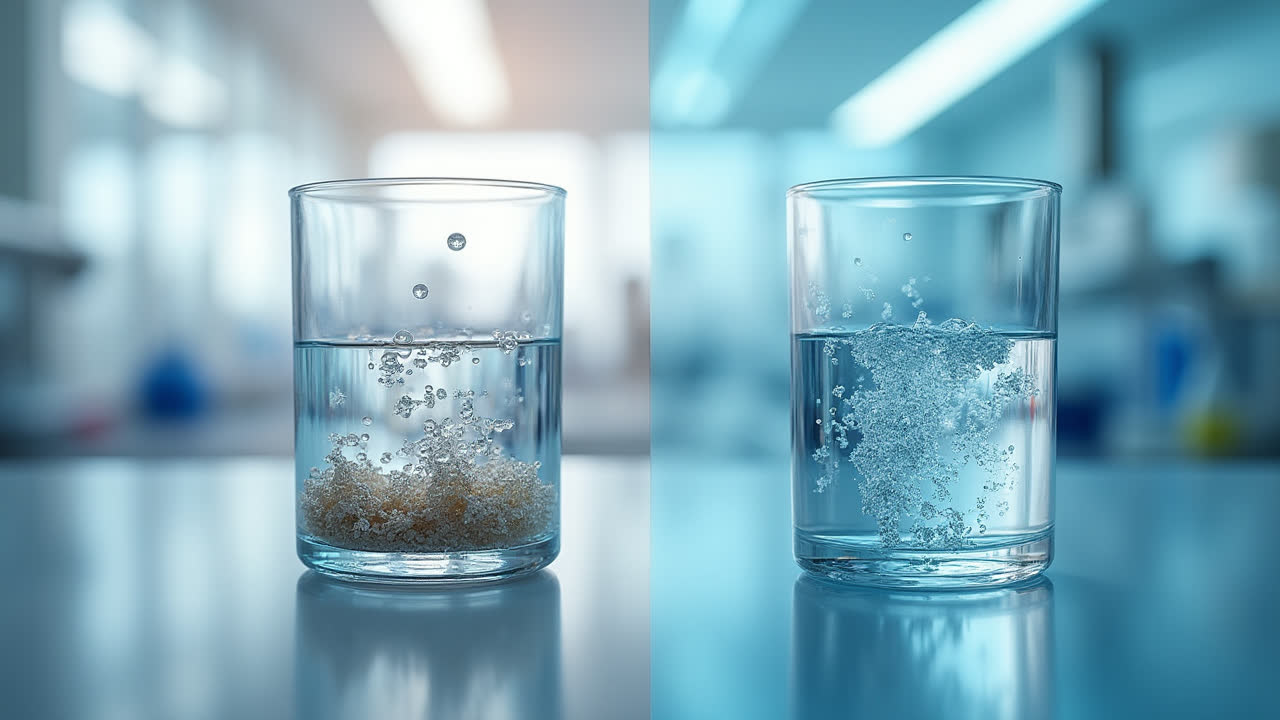
Water quality assessment involves various parameters that help determine its suitability for different purposes. Among these parameters, Total Dissolved Solids (TDS) and water hardness are frequently confused despite being distinct measurements. Understanding the difference between these two water quality indicators is crucial for proper water treatment and usage in homes, industries, and agriculture. This article explores the key distinctions, measurement methods, and impacts of TDS and hardness on water quality.
When you turn on your tap, the clear liquid flowing might appear identical regardless of where you live, but its chemical composition can vary dramatically. These variations affect everything from the taste of your morning coffee to the lifespan of your household appliances. Let's dive into what makes TDS and hardness unique, how they impact your daily life, and why knowing the difference matters for optimal water management.
What is TDS (Total Dissolved Solids)?
Total Dissolved Solids, commonly abbreviated as TDS, refers to the combined content of all inorganic and organic substances present in water in molecular, ionized, or micro-granular suspended forms. These solids must be small enough to survive filtration through a filter with two-micrometer pores. Think of TDS as a comprehensive measurement of all the dissolved compounds in your water that aren't pure H₂O molecules.
The substances that contribute to TDS include minerals, salts, metals, cations (positively charged ions), and anions (negatively charged ions). Common components include calcium, magnesium, sodium, potassium, bicarbonate, chloride, sulfate, nitrate, and phosphate. Additionally, TDS may include small amounts of organic matter dissolved in the water. What's important to note is that TDS encompasses all dissolved compounds, not just those that cause hardness.
Water naturally contains dissolved solids due to its passage through geological formations. As rainwater falls and travels through soil and rock, it dissolves minerals and carries them into our water supplies. Human activities also contribute significantly to TDS levels. Agricultural runoff containing fertilizers, road salt used in winter, water treatment chemicals, and industrial wastewater can all introduce additional dissolved solids into water sources.
The concentration of TDS in water is typically expressed in parts per million (ppm) or milligrams per liter (mg/L). For reference, freshwater typically contains 50-250 ppm, while brackish water may have 500-15,000 ppm. Seawater contains a much higher concentration, with TDS levels around 35,000 ppm. Most drinking water standards recommend TDS levels below 500 ppm for palatability, though levels up to 1000 ppm are generally considered acceptable for drinking water.
How is TDS Measured?
There are two primary methods used to measure the TDS content in water samples:
- Gravimetric Method: This laboratory technique involves evaporating a filtered water sample to dryness and then weighing the remaining residue. The process begins by filtering the water sample through a standard filter paper with a specified pore size. The filtered water is then placed in a pre-weighed dish and evaporated in an oven. After cooling in a desiccator, the dish is weighed again. The difference in weight represents the TDS. While this method is time-consuming, it provides highly accurate measurements.
- Electrical Conductivity Method: This more practical approach relies on the principle that dissolved ions in water increase its ability to conduct electrical current. A TDS meter or conductivity meter measures this electrical conductivity and converts it to an approximate TDS reading. The meter applies a voltage between two or more electrodes, and the resulting current flow is proportional to the concentration of dissolved ionized solids. Modern digital TDS meters make this process simple and provide instant readings, though they may be less accurate than the gravimetric method for complex water compositions.
Understanding Water Hardness
Water hardness specifically refers to the concentration of multivalent cations (mainly calcium and magnesium ions) dissolved in water. Unlike TDS, which measures all dissolved solids, hardness focuses exclusively on these specific mineral ions that can cause scaling and soap scum. The term "hard water" was coined because these minerals make it "hard" to form a lather with soap.
Hard water forms primarily when water percolates through deposits of limestone and chalk, which are largely made up of calcium and magnesium carbonates. As water moves through these rock formations, it dissolves small amounts of these minerals and carries them into our water supply. The geographic location of your water source largely determines its hardness level - regions with limestone bedrock typically have harder water than areas with granite or other non-carbonate rock formations.
When discussing water hardness, it's essential to understand that there are two distinct types: temporary and permanent hardness. Each type is caused by different minerals and responds differently to treatment methods. Let's examine these two categories more closely to understand their unique characteristics and how they affect water quality.
Types of Water Hardness
Water hardness is classified into two main categories based on the specific mineral compounds present and how they respond to heating:
- Temporary Hardness: This type of hardness is caused primarily by the presence of calcium and magnesium bicarbonates (Ca(HCO₃)₂ and Mg(HCO₃)₂). The term "temporary" refers to the fact that this hardness can be reduced or eliminated by boiling the water. When hard water containing bicarbonates is heated, the bicarbonate ions decompose to form carbonate ions, which then precipitate as insoluble calcium carbonate and magnesium carbonate. This precipitation process removes these minerals from the water, effectively "softening" it. You might have observed this effect as scale or deposits inside kettles or boilers.
- Permanent Hardness: Unlike temporary hardness, permanent hardness remains even after boiling the water. It is caused by calcium and magnesium sulfates, chlorides, and nitrates, which do not precipitate when heated. These compounds maintain their solubility at high temperatures, making them "permanently" dissolved in the water. Removing permanent hardness typically requires more sophisticated treatment methods such as ion exchange (water softeners), reverse osmosis, or chemical precipitation with soda ash (sodium carbonate).
Water hardness is typically measured in milligrams per liter (mg/L) or parts per million (ppm) of calcium carbonate equivalent (CaCO₃). In some countries, particularly in Europe, hardness may be expressed in degrees of hardness, such as German degrees (°dH), French degrees (°fH), or English degrees (°Clark). For reference, water with less than 60 mg/L of CaCO₃ is considered soft, while water exceeding 180 mg/L is considered very hard.
Key Differences Between TDS and Water Hardness
| Aspect | Total Dissolved Solids (TDS) | Water Hardness |
|---|---|---|
| Definition | Total concentration of all dissolved substances in water | Concentration of calcium and magnesium ions in water |
| Composition | All inorganic salts, organic matter, and other dissolved materials | Primarily calcium and magnesium compounds (carbonates, bicarbonates, sulfates, chlorides) |
| Measurement Units | Parts per million (ppm) or milligrams per liter (mg/L) | mg/L or ppm as calcium carbonate equivalent; sometimes in degrees (°dH, °fH) |
| Measurement Methods | Gravimetric method or electrical conductivity (TDS meter) | Titration with EDTA, test kits, or hardness meters |
| Effects on Water | Affects taste, odor, clarity, and electrical conductivity | Causes scaling, soap scum, reduced lathering, and mineral deposits |
| Treatment Methods | Reverse osmosis, distillation, deionization | Water softeners (ion exchange), boiling (for temporary hardness), lime softening |
| Relationship | Broader measurement that includes hardness minerals plus other dissolved substances | Subset of TDS, focusing specifically on calcium and magnesium compounds |
| Health Implications | Very high or very low levels may affect taste and potentially health | Generally not a health concern; may even provide beneficial minerals |
Practical Implications of TDS and Hardness
Understanding the differences between TDS and hardness isn't just academic knowledge—it has practical implications for everyday life. Both parameters affect water quality in distinct ways and require different approaches for management and treatment.
Effects of High TDS
Water with elevated TDS levels often exhibits several noticeable characteristics that can impact its usability and palatability. Have you ever noticed a distinctive taste in water from different regions? That's largely due to variations in TDS content. High TDS water may taste bitter, salty, or metallic depending on the specific dissolved compounds present. Besides affecting taste, high TDS can cause water to appear cloudy or colored and may leave spots on glassware and fixtures after drying.
In household applications, high TDS can reduce the efficiency of water heaters, washing machines, and dishwashers by creating mineral buildup within these appliances. Industrial processes often require precise control of TDS levels, as excess dissolved solids can interfere with chemical reactions, cooling systems, and product quality. In agriculture, irrigation water with inappropriate TDS levels may affect soil structure and plant growth, potentially leading to reduced crop yields or even crop failure in extreme cases.
Effects of High Hardness
Hard water presents its own set of challenges distinct from general TDS issues. Perhaps the most immediately noticeable effect is soap behavior—hard water reduces soap lathering and cleaning efficiency, requiring more soap or detergent to achieve the same cleaning results. This occurs because calcium and magnesium ions react with soap to form insoluble precipitates (soap scum) rather than productive lather.
The scaling tendency of hard water can lead to significant problems in plumbing systems and appliances. As water flows through pipes and fixtures, calcium and magnesium compounds can precipitate out and form hard mineral deposits, gradually narrowing pipe diameters and reducing water flow. In water heaters, these scale deposits act as insulation between the heating element and the water, dramatically reducing energy efficiency and shortening equipment lifespan. I've seen water heaters completely clogged with scale after just a few years in areas with extremely hard water.
Interestingly, while hard water can be problematic for many household uses, some studies suggest that the minerals in moderately hard water may contribute positively to human health by providing essential calcium and magnesium through drinking water. This highlights the importance of proper water assessment and treatment tailored to specific needs rather than assuming that all dissolved solids are detrimental.
Testing and Treatment Options
For homeowners concerned about water quality, numerous testing and treatment options are available to address both TDS and hardness issues. Simple test kits for home use can provide basic information about water hardness and TDS levels. Digital TDS meters are particularly affordable and easy to use, providing instant readings of total dissolved solids. For more comprehensive analysis, laboratory testing services can identify specific dissolved compounds and their concentrations.
When it comes to treatment, different technologies target different aspects of water quality. For reducing overall TDS, reverse osmosis systems force water through a semi-permeable membrane that removes most dissolved solids. Distillation systems vaporize water and then recondense it, leaving most impurities behind. Both methods are effective but tend to remove beneficial minerals along with unwanted compounds.
For addressing hardness specifically, ion exchange water softeners replace calcium and magnesium ions with sodium ions, effectively eliminating scaling problems. Template Assisted Crystallization (TAC) or nucleation-assisted crystallization systems don't remove hardness minerals but alter their crystal structure to prevent scaling. For temporary hardness, simple boiling can precipitate calcium and magnesium carbonates, though this is generally impractical for whole-house treatment.
The choice of treatment should be based on your specific water quality parameters and intended water uses. For instance, extremely hard water in a household setting might warrant a water softener to protect plumbing and appliances, while slightly elevated TDS that only affects taste might be adequately addressed with a simple carbon filter for drinking water.
Frequently Asked Questions
Can water have high TDS but low hardness?
Yes, water can absolutely have high TDS but low hardness. This occurs when the dissolved solids consist primarily of compounds other than calcium and magnesium minerals. For example, water with high sodium chloride (table salt) content will have high TDS readings but may not be particularly hard. Similarly, water contaminated with organic compounds or containing high levels of potassium or iron will show elevated TDS without necessarily being hard. This distinction highlights why testing for both parameters is important for comprehensive water quality assessment.
What are the ideal TDS and hardness levels for drinking water?
For drinking water, the World Health Organization suggests that TDS levels below 600 mg/L are generally acceptable, with the ideal range being between 100-300 mg/L for palatability. Regarding hardness, water with 60-120 mg/L as CaCO₃ is considered moderately hard and often preferred for taste. Excessively soft water (below 30 mg/L) can taste flat or slightly acidic, while very hard water (above 180 mg/L) may have an unpleasant mineral taste. It's worth noting that these are aesthetic considerations rather than health-based limits, as neither parameter at typical environmental levels is considered a direct health concern.
Will a water softener reduce TDS levels?
Conventional ion exchange water softeners will not reduce the overall TDS level in water. Instead, they exchange calcium and magnesium ions (which cause hardness) with sodium ions. This process replaces one type of dissolved solid with another, maintaining approximately the same total dissolved solids concentration. In fact, softened water might show a slight increase in TDS due to the added sodium. If reducing total dissolved solids is your goal, technologies like reverse osmosis, distillation, or deionization would be more appropriate, as these methods remove most dissolved minerals rather than exchanging them.
Conclusion
Understanding the difference between TDS and hardness provides valuable insight into water quality assessment and treatment options. While TDS measures all dissolved substances in water, hardness specifically focuses on calcium and magnesium compounds that cause scaling and soap interaction issues. Both parameters influence water's characteristics and suitability for various applications, from drinking to industrial processes.
For comprehensive water management, it's advisable to test for both TDS and hardness rather than assuming one parameter indicates the other. With this knowledge, you can make informed decisions about water treatment technologies that address your specific water quality concerns. Whether you're dealing with scale buildup in appliances, poor soap performance, unpleasant taste, or concerns about specific contaminants, the right approach begins with understanding exactly what's in your water.
Remember that ideal water quality parameters depend on intended use—what's optimal for drinking may differ from what's best for irrigation or industrial applications. By distinguishing between these important water quality indicators, you'll be better equipped to evaluate, monitor, and improve the water you use every day.