Testa vs Tegmen: Understanding the Key Differences Between Seed Coats
Testa vs Tegmen: Understanding the Key Differences Between Seed Coats
Introduction to Seed Coats
Have you ever wondered what protects a tiny plant embryo as it lies dormant, waiting for the right conditions to sprout into life? The answer lies in specialized protective layers called seed coats. In the fascinating world of plant biology, testa and tegmen are two critical seed coats that play essential roles in seed protection and development. These specialized structures are much more than simple coverings—they're sophisticated adaptations that have evolved over millions of years to ensure plant survival across diverse environments.
When I first studied plant anatomy, I was amazed by the complexity of seeds. What appears simple to the naked eye is actually an intricate system designed to protect new life. The outer seed coat (testa) and inner seed coat (tegmen) work together to shield the embryo from various environmental threats, regulate germination timing, and ensure the next generation has the best chance of survival.
This article explores the fundamental structural and functional differences between these two seed coats. Whether you're a biology student, gardening enthusiast, or simply curious about how plants work, understanding the distinction between testa and tegmen provides valuable insight into plant reproduction and survival strategies. Let's dive into the microscopic world of seed anatomy to uncover the unique characteristics of these protective layers.
What is Testa?
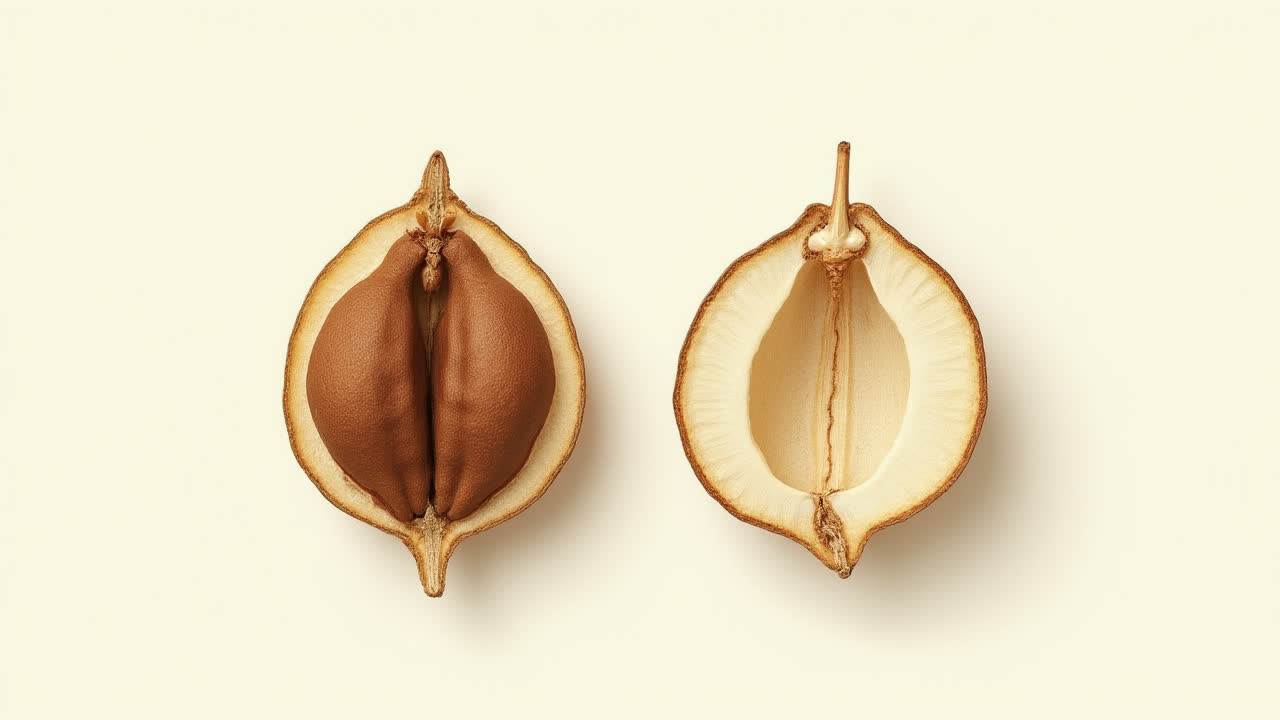
The testa is the outer protective layer of a seed, serving as the first line of defense against environmental threats. Derived from the outer integument of the ovule, this specialized coat develops during seed maturation to create a robust barrier around the embryo. I've always been fascinated by how something so thin can provide such effective protection—it's a remarkable example of nature's engineering.
Structurally, the testa is typically smooth, thick, and notably impermeable. Its composition includes multiple layers organized into three distinct parts: the outer epidermis, a pigmented middle zone containing tannins and starch (usually consisting of two to five layers), and an inner epidermis. These layers further differentiate into two main components: the exotesta (formed from the outer epidermis of the outer integument) and the endotesta (developed from the inner epidermis of the outer integument).
One of the most striking features of the testa is its coloration, which often appears brownish or may display various other hues depending on the plant species. This coloration isn't merely decorative—it serves evolutionary purposes related to seed dispersal and protection. The pigmentation may help camouflage seeds from predators or attract specific dispersal agents.
Perhaps most importantly, the testa plays a crucial role in seed dormancy, a survival mechanism that prevents germination until environmental conditions are favorable. The testa's impermeability can restrict water penetration and gas exchange, effectively placing the seed in a state of suspended animation until specific conditions trigger changes in the seed coat. This impermeability is so effective that some seeds can remain viable for decades or even centuries! I once read about lotus seeds germinating after being dormant for over a thousand years—a testament to the remarkable protective qualities of the testa.
What is Tegmen?
While the testa guards the seed's exterior, the tegmen works diligently as the inner seed coat, providing a secondary layer of protection. The tegmen develops from the inner integument of the ovule, forming a distinct protective layer that lies just beneath the testa and directly surrounds the embryo. Unlike the testa, which is present in all seeds, the tegmen only occurs in bitegmic seeds (seeds with two integuments), primarily found in dicotyledonous plants.
If you were to examine the tegmen under a microscope, you'd notice striking differences from the testa. The tegmen typically appears thin and membranous, with a translucent or whitish appearance that botanists often describe as hyaline. This delicate structure might seem fragile compared to the robust testa, but it serves crucial protective functions. The tegmen's structure includes two primary layers: the exotegmen (formed from the outer epidermis of the inner integument) and the endotegmen (developed from the inner epidermis of the inner integument).
What I find particularly interesting about the tegmen is how it complements the testa's functions. While the testa primarily controls water permeability and provides mechanical protection, the tegmen offers additional safeguards against dehydration and physical damage to the embryo. It creates a microenvironment around the embryo that helps maintain optimal moisture levels and provides a buffer against temperature fluctuations.
In some plant species, the tegmen may also contain specialized cells that produce antimicrobial compounds, offering chemical protection against pathogens that might penetrate the outer testa. This multi-layered defense system demonstrates the evolutionary sophistication of seed protection mechanisms. When I work in my garden, I'm always reminded of these invisible but vital structures that ensure each seed has the potential to become a thriving plant.
Key Similarities Between Testa and Tegmen
Despite their differences, testa and tegmen share several important characteristics that highlight their complementary roles in seed protection. Both structures develop from the integuments of the ovule during seed formation, with the inner and outer epidermis of each integument differentiating to form specific layers of the seed coats. This developmental similarity underscores their shared evolutionary origin.
Both seed coats work in tandem to create a comprehensive protection system for the embryo. They shield the developing plant from various threats, including predators, mechanical damage, extreme temperatures, and excessive moisture loss. When examining seeds from my collection, I often think about the invisible barrier these coats provide—nature's version of a sophisticated security system.
Another significant similarity is the presence of shared anatomical features. Both testa and tegmen contribute to the formation of the hilum, the scar that marks the point where the seed was attached to the funiculus (seed stalk). Additionally, both coats feature the micropyle, a small pore that allows water entry during germination, and the raphe, a ridge that represents the path of the seed stalk.
Functionally, both seed coats play crucial roles in the regulation of seed dormancy and germination timing. They work together to sense environmental cues that signal suitable growing conditions, such as specific moisture levels, temperature ranges, or even fire events in some species. It's amazing how these thin layers can essentially "decide" when conditions are right for the embryo to begin growing!
Detailed Comparison: Testa vs Tegmen
To truly understand the differences between these two seed coats, it helps to examine them side by side. The table below provides a comprehensive comparison of testa and tegmen across multiple characteristics:
| Characteristic | Testa | Tegmen |
|---|---|---|
| Position | Outer seed coat | Inner seed coat |
| Origin | Derived from outer integument of ovule | Derived from inner integument of ovule |
| Structure | Smooth, thick, and impermeable | Thin and membranous |
| Color | Typically brownish or variously colored | Whitish or hyaline (translucent) |
| Layers | Exotesta and endotesta | Exotegmen and endotegmen |
| Primary function | Seed dormancy regulation and physical protection | Protection against dehydration and mechanical damage |
| Permeability | Highly impermeable to water in many species | More permeable than testa |
| Presence | Present in all seeds | Only in bitegmic seeds (mainly dicots) |
Functional Significance in Plant Reproduction
The distinct properties of testa and tegmen contribute significantly to plant reproductive strategies and survival. The testa's impermeability is a key factor in controlling seed dormancy, which prevents germination until environmental conditions are optimal. This evolutionary adaptation allows seeds to remain viable for extended periods, sometimes spanning years or decades. I've experimented with "scarification" techniques in my garden—deliberately scratching or nicking hard seed coats to break dormancy—which mimics natural processes like freeze-thaw cycles or passage through an animal's digestive tract.
The testa also plays an essential role in seed dispersal. Its varied textures, shapes, and appendages (like wings, hooks, or hairs) facilitate movement via wind, water, or animal carriers. The color and pattern of the testa may attract or deter specific animals, directing seeds toward ideal dispersal agents. Some testa contain compounds that make seeds unpalatable to certain animals but attractive to others that will effectively disperse them.
Meanwhile, the tegmen's thin, membranous structure creates a specialized microenvironment around the embryo. It regulates moisture levels and gas exchange once germination begins, ensuring that the developing embryo has access to oxygen while maintaining appropriate hydration. The tegmen also often contains antimicrobial compounds that protect the nutrient-rich embryo from pathogenic bacteria and fungi, particularly important as the seed begins to absorb water and become more vulnerable to infection.
Together, these seed coats represent a sophisticated control system that has evolved over millions of years. They protect the embryo during dispersal, prevent premature germination, and ensure that when germination does occur, it happens under conditions that optimize the seedling's chances of survival. From an evolutionary perspective, the differentiation of seed coats into testa and tegmen has been a crucial adaptation that has contributed to the tremendous success and diversity of flowering plants across the globe.
Variations Across Plant Species
The diversity of seed coat structures across different plant species is truly remarkable. While the basic distinction between testa and tegmen holds true for many plants, nature has evolved countless variations to suit specific ecological niches. In some plant families, the testa develops extreme hardness, creating a mechanical barrier that can withstand incredible pressure—think of the rock-hard shells of walnuts or coconuts. In contrast, orchid seeds have reduced their seed coats to mere wisps of tissue, producing dust-like seeds that can be carried vast distances by the slightest breeze.
Desert plants often feature specialized testa structures that respond to rare rainfall events. Some have hygroscopic hairs that move in response to moisture, driving the seed into the soil when conditions are right for germination. Others have testa that split along predetermined lines when exposed to water, allowing the embryo to emerge quickly during brief wet periods. I've grown several desert plant species, and it's fascinating to watch how their seeds respond almost instantly to water—a survival strategy in environments where moisture is fleeting.
Aquatic plants, by contrast, have evolved seed coats with air spaces that provide buoyancy, allowing seeds to float to new locations. Some water lily species have testa with specialized structures that cause the seed to sink only after a specific period of floating—ensuring dispersal to new areas before germination begins. Tropical rainforest plants often have brightly colored testa designed to attract birds or mammals that disperse seeds across the forest canopy.
The variation in tegmen structure is equally diverse, though less visible. In some plant families, the tegmen develops into a nutritive layer that provides additional resources to the developing embryo. In others, it becomes specialized for gas exchange or for secreting specific enzymes that will be needed during germination.
This remarkable diversity in seed coat adaptations demonstrates the power of evolutionary processes to fine-tune reproductive strategies to specific environmental challenges. Studying these variations not only provides insight into plant biology but also offers potential applications in agriculture, where understanding seed dormancy and germination requirements is essential for crop improvement.
Frequently Asked Questions About Testa and Tegmen
Why do some seeds have both testa and tegmen while others have only a testa?
The presence of both testa and tegmen (bitegmic seeds) versus only a testa (unitegmic seeds) is primarily determined by evolutionary history and adaptation to specific ecological conditions. Bitegmic seeds, which have both seed coats, are characteristic of most dicotyledonous plants (plants with two seed leaves). These plants evolved with two integuments surrounding their ovules, which develop into the testa and tegmen. In contrast, many monocotyledonous plants and some specialized dicots have evolved unitegmic seeds, where the ovule has only one integument that develops into the testa. This difference reflects diverse evolutionary strategies for seed protection and germination control. Plants with unitegmic seeds often have other specialized adaptations that compensate for the absence of a second seed coat, such as enhanced endosperm development or specialized testa structures.
How do testa and tegmen affect seed germination timing?
Testa and tegmen significantly influence germination timing through several mechanisms. The testa often serves as a physical barrier that must be broken down before germination can occur. Its impermeability to water and gases can induce dormancy, preventing germination until specific environmental conditions trigger changes in the seed coat structure. These triggers might include temperature fluctuations, exposure to fire, microbial activity in the soil, or chemical changes during passage through an animal's digestive tract. The tegmen, while more permeable than the testa, contributes to germination timing by regulating the microenvironment around the embryo and controlling the rate of water uptake once the testa's barrier is compromised. In some species, the tegmen contains inhibitory chemicals that must be leached away or degraded before germination can proceed. Together, these seed coats create a sophisticated environmental sensing system that ensures seeds germinate only when conditions are favorable for seedling survival, which is crucial for plant reproductive success in variable or harsh environments.
Can seed coat characteristics be used in plant identification and classification?
Yes, seed coat characteristics are valuable diagnostic features in plant taxonomy and identification. Botanists and taxonomists regularly use testa and tegmen structures as key characteristics for classifying plant species and understanding evolutionary relationships. The surface texture of the testa (which may be smooth, reticulate, pitted, or variously ornamented), its color patterns, thickness, and the presence of specialized structures like wings, hairs, or arils all provide important identifying features. The internal structure of both seed coats, including cell types and arrangements, can be examined using microscopy techniques to reveal additional taxonomic information. Seed coat anatomy is particularly useful in paleobotany, as these durable structures often preserve well in the fossil record, allowing scientists to identify ancient plant species and track evolutionary changes over time. In applied settings, seed coat characteristics help agricultural scientists and seed bank managers identify and verify seed stocks, ensuring genetic purity in crop breeding programs and conservation efforts.
Conclusion
The distinction between testa and tegmen represents more than just an academic classification in plant anatomy—it reflects millions of years of evolutionary refinement in seed protection strategies. As we've explored throughout this article, these two seed coats differ significantly in their structure, appearance, and specific functions, yet work together as an integrated system to protect the embryo and regulate germination.
The testa, with its thick, often colored, and impermeable nature, serves as the primary barrier against environmental threats and plays a crucial role in controlling seed dormancy. The tegmen, thin and membranous, provides secondary protection and helps create an optimal microenvironment for the embryo. Together, they represent a sophisticated solution to the challenges of plant reproduction in diverse environments.
Understanding these differences has practical applications beyond theoretical botany. For gardeners, knowing about seed coat structures can improve germination success when working with difficult seeds. For agricultural scientists, this knowledge informs breeding programs aimed at improving crop characteristics like uniform germination or storage longevity. For conservation biologists, insights into seed coat biology are essential for preserving endangered plant species through seed banking.
The next time you hold a seed in your hand, take a moment to appreciate these invisible but vital structures. Within those microscopic layers lies an elegant testimony to the ingenuity of natural selection and the remarkable adaptations that allow plants to thrive across virtually every habitat on Earth.
References:
- https://thescienceinfo.com/seed-and-its-structure/
- https://commons.wikimedia.org/wiki/File:Dycotyledon_seed_diagram-en.sv
- https://commons.wikimedia.org/w/index.php?curid=6965746
- https://commons.wikimedia.org/wiki/File:Ovule-Gymno-Angio-fr.svg
- https://commons.wikimedia.org/wiki/File:Ovule-Gymno-Angio-en.svg
- https://commons.wikimedia.org/w/index.php?curid=4298133