Vodka vs Whisky: Complete Comparison Guide (Expert Analysis)
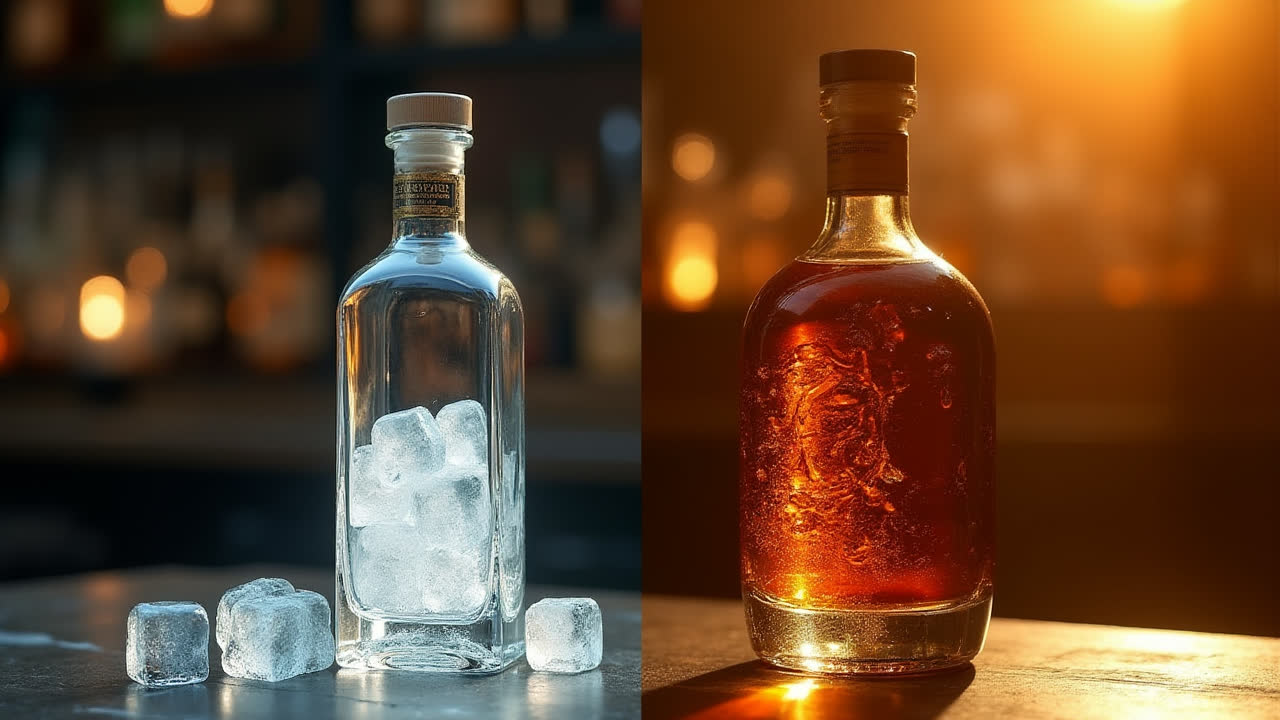
When navigating the world of spirits, vodka and whisky stand as two of the most beloved and widely consumed alcoholic beverages globally. While both emerge from the distillation process, they couldn't be more different in terms of production methods, flavor profiles, and cultural significance. I've spent years exploring these differences firsthand, and trust me—there's much more to these spirits than meets the eye (or the taste buds).
The fundamental distinction between them lies in their ingredients and production techniques. Vodka traditionally comes from fermented grains or potatoes and undergoes multiple distillations to achieve its characteristic neutral profile. Whisky, meanwhile, derives its complex character from various grains and the aging process in wooden barrels, which vodka typically skips entirely. This core difference leads to a cascade of other variations that make each spirit unique.
Whether you're a casual drinker, a budding mixologist, or simply curious about these popular spirits, understanding their differences can enhance your appreciation and help you make better choices for different occasions. In this comprehensive guide, I'll walk you through everything you need to know about these two iconic beverages. Let's dive in!
Understanding Vodka: The Clear Spirit
Vodka has a fascinating history that stretches back centuries to Eastern Europe, particularly Russia and Poland, where it remains deeply embedded in the cultural fabric. I remember visiting a traditional Russian restaurant where the owner insisted that proper vodka appreciation involved small sips followed by pickled vegetables—quite different from the shot-taking culture I was familiar with!
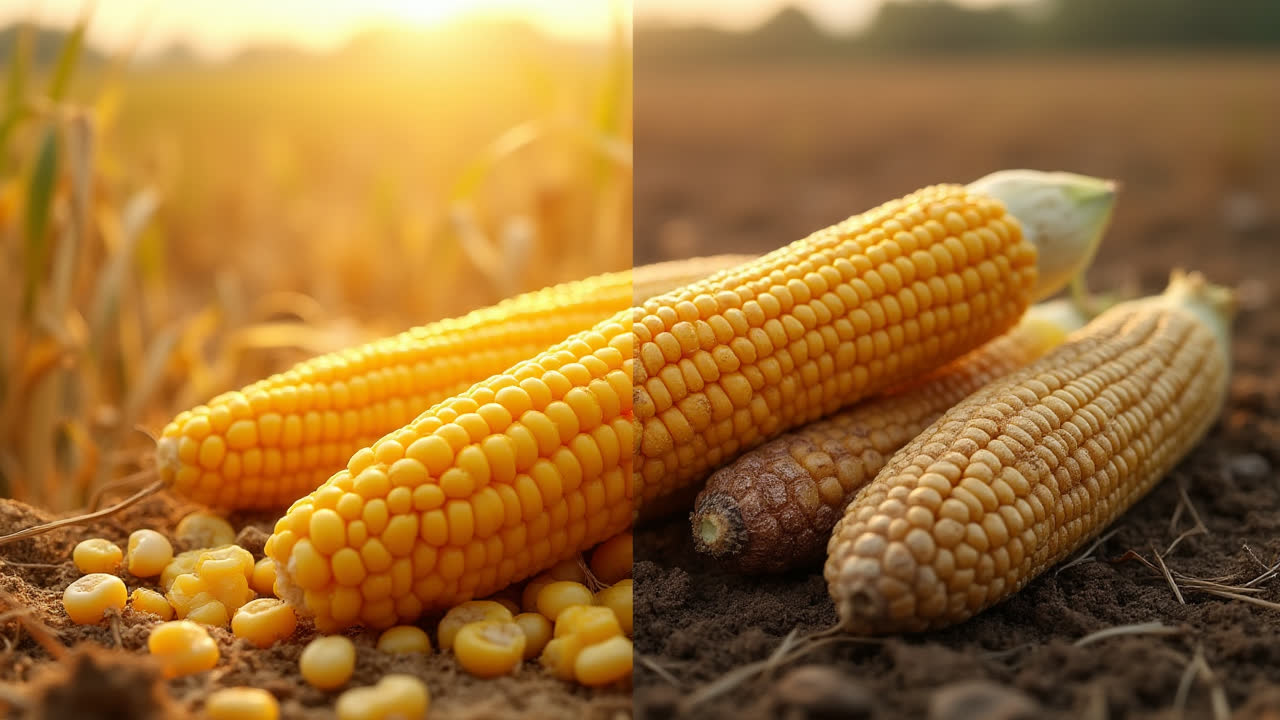
What makes vodka unique is its production process. It starts with fermenting high-starch or high-sugar foods like potatoes, grains (rye, wheat, corn), or even molasses. The mixture is then distilled multiple times—usually at least three, though premium brands might boast five or more distillations. Each round of distillation purifies the liquid further, removing impurities and creating that signature clean taste. Following distillation, most vodkas undergo filtration through activated charcoal, which further refines the flavor profile.
The result? A spirit that's essentially colorless, odorless, and relatively tasteless—though connoisseurs would argue that different vodkas do have subtle flavor distinctions. Some describe premium vodkas as having a silky, slightly oily mouthfeel with hints of grain or mineral notes. Standard vodka typically contains about 40% alcohol by volume (80 proof), though this can vary.
Modern vodka production has embraced innovation, with flavored varieties ranging from citrus and berry to more unusual options like bacon or cookie dough. Premium brands like Grey Goose, Belvedere, and Stolichnaya have elevated vodka's status beyond its humble origins, positioning it as a sophisticated spirit worthy of sipping neat, though it remains extremely versatile in cocktails from the classic Martini to the ubiquitous Cosmopolitan.
Health-wise, vodka is often considered one of the "cleaner" spirits due to its high level of distillation and filtration. It contains virtually no sugar, carbs, or additives (unless flavored), making it a common choice for those watching their caloric intake. A standard 1.5-ounce shot contains approximately 97 calories, lower than many other alcoholic options.
Exploring Whisky: The Complex Amber Spirit
Whisky (or whiskey, depending on the country of origin) represents the other end of the distilled spirits spectrum. Where vodka aims for neutrality, whisky celebrates complexity and character. My first introduction to quality whisky came from an old Scottish bartender who treated each pour with reverence, explaining how the spirit "tells the story of its homeland" through its flavor profile.
The production of whisky begins with a mash of fermented grains—typically some combination of barley, corn, rye, and wheat. The specific grain bill varies by type and region: Scotch often highlights malted barley, bourbon must contain at least 51% corn, and rye whiskey emphasizes its namesake grain. This diversity in ingredients contributes significantly to whisky's wide range of flavor profiles.
After distillation, whisky undergoes an aging process that vodka typically skips entirely. The spirit is stored in wooden barrels—often oak—for periods ranging from a few years to several decades. During this time, the whisky extracts compounds from the wood and undergoes chemical changes that develop its complex flavor profile and amber color. The environment where aging occurs also influences the final product; the cool, damp conditions of Scotland create a different whisky than the fluctuating temperatures of Kentucky.
The result is a rich tapestry of flavors that might include notes of caramel, vanilla, fruit, smoke, spice, and oak. Whisky typically contains between 40-50% alcohol by volume, though "cask strength" varieties can reach higher levels. The complexity of whisky makes it ideal for sipping and contemplation, though it also forms the base of classic cocktails like the Old Fashioned and Manhattan.
The world of whisky is divided into several major categories, each with distinct characteristics: Scotch (from Scotland, often with smoky or peaty notes), Bourbon (American, sweeter with vanilla and caramel notes), Irish Whiskey (typically smoother and triple-distilled), Japanese Whisky (often refined and precise), and Canadian Whisky (traditionally lighter and versatile). Each category has its own production requirements, traditions, and flavor profiles.
From a health perspective, whisky contains slightly more calories than vodka—around 110 per 1.5-ounce serving—and may contain trace amounts of congeners and other compounds from the aging process. Some studies suggest that moderate consumption might offer certain health benefits due to antioxidants, though these claims should be viewed with appropriate skepticism.
Vodka vs Whisky: Head-to-Head Comparison
| Comparison Point | Vodka | Whisky |
|---|---|---|
| Base Ingredients | Potatoes, grains, or other foods containing sugar and starch | Primarily grains (barley, corn, rye, wheat) |
| Color | Clear, transparent | Amber to dark brown |
| Production Process | Multiple distillations (3-5+) followed by filtration | Distillation followed by aging in wooden barrels |
| Aging Requirement | None (typically bottled immediately) | Yes (varies by type, from 2-20+ years) |
| Flavor Profile | Neutral, clean, subtle grain notes | Complex with notes of caramel, vanilla, oak, spice, smoke |
| Alcohol Content | Typically 40% ABV (80 proof) | 40-50% ABV (80-100 proof) |
| Calories (per 1.5oz) | Approximately 97 calories | Approximately 110 calories |
| Popular Cocktails | Martini, Moscow Mule, Cosmopolitan, Bloody Mary | Old Fashioned, Manhattan, Whisky Sour, Mint Julep |
Cultural Significance and Consumption Traditions
Beyond their chemical compositions and production methods, vodka and whisky each carry rich cultural legacies that influence how they're enjoyed around the world. Honestly, I've found that understanding these traditions adds another dimension to appreciating these spirits.
Vodka remains deeply integrated into Eastern European and Russian culture, where it's traditionally consumed neat (no ice) in small shots, accompanied by food rather than mixed into cocktails. The communal aspect of vodka drinking in these cultures can't be overstated—sharing a bottle often serves as a social bonding ritual. I once attended a traditional Russian dinner where refusing a vodka toast was considered almost impolite! In contrast, Western consumption of vodka tends to focus on its mixability, using it as a neutral base for countless cocktails.
Whisky culture varies dramatically by region. Scotch whisky is often treated with reverence bordering on spiritual, with tasting rituals that might include adding specific amounts of water to "open up" the flavors. Bourbon culture in the American South intertwines with regional identity and pride. Irish whiskey traditionally connects to storytelling and community gatherings, while Japanese whisky culture emphasizes precision and craftsmanship. These cultural associations shape not just how these spirits are consumed, but the entire experience surrounding them.
The global distribution of these spirits also tells an interesting story. Vodka dominates markets in Northern and Eastern Europe as well as parts of the United States, particularly in cocktail culture. Whisky, meanwhile, finds its strongest markets in North America, the United Kingdom, Japan, and increasingly in emerging luxury markets like China and India. The rising popularity of premium spirits worldwide has elevated both vodka and whisky into status symbols in certain contexts.
Modern drinking culture continues to evolve, with both spirits adapting to changing consumer preferences. Craft distilleries have emerged for both vodka and whisky, emphasizing local ingredients, traditional methods, and unique flavor profiles. This craft movement has introduced new dimensions to both spirits, challenging established brands and expanding consumer expectations.
Choosing Between Vodka and Whisky
So how do you decide between these two distinct spirits? Your choice might depend on several factors. For cocktails, vodka's neutrality makes it incredibly versatile—it can take on virtually any flavor you pair it with. This adaptability is why vodka forms the base of so many popular mixed drinks. If you're new to spirits or prefer milder flavors, vodka might be the more approachable option.
Whisky, with its bold character, tends to appeal to those who appreciate complexity and are willing to develop their palate over time. It's often the choice for sipping neat or with minimal additions (perhaps a drop of water or a single ice cube). The variety within the whisky category also offers a journey of exploration—you could spend years sampling different styles without exhausting the options.
Personal preference plays an enormous role, of course. Some people simply prefer the clean, straightforward nature of vodka, while others crave the depth and character of aged whisky. There's no right or wrong choice—just different experiences for different occasions and tastes. I've known dedicated whisky enthusiasts who still reach for vodka when making certain cocktails, and vodka lovers who keep a special bottle of bourbon for winter evenings.
For beginners interested in exploring these spirits, I typically recommend starting with vodka in simple, approachable cocktails like the Moscow Mule (vodka, ginger beer, lime) before trying it neat. For whisky, sweeter varieties like bourbon or smooth Irish whiskeys often provide good entry points before venturing into more intense options like peaty Scotch. Whisky cocktails like the Whisky Sour or Mint Julep can also offer accessible introductions.
Budget considerations matter too. While both spirits range from budget-friendly to ultra-premium, generally speaking, age-statement whiskies (those with specified aging periods) command higher prices due to the time and resources involved in their production. Quality vodka can often be found at more moderate price points, though marketing and brand positioning significantly influence pricing in both categories.
Frequently Asked Questions About Vodka and Whisky
Is vodka healthier than whisky?
Vodka contains slightly fewer calories than whisky (approximately 97 vs. 110 calories per 1.5-ounce serving) and has fewer congeners—compounds produced during fermentation that some believe contribute to hangovers. However, the health impacts of any alcoholic beverage depend primarily on consumption patterns rather than the specific spirit. Moderate consumption is key regardless of your preference. Some studies suggest aged spirits like whisky contain antioxidants, but these potential benefits are minimal compared to the risks of excessive alcohol consumption.
Can vodka be aged like whisky?
While traditional vodka production doesn't include aging, some producers have experimented with barrel-aged vodkas that take on subtle color and flavor characteristics from the wood. These hybrid products occupy an interesting middle ground, offering some complexity while maintaining vodka's essential character. However, extensive aging would eventually transform vodka into something closer to whisky. The legal definitions of vodka in many regions specify its neutral character, so heavily aged products might no longer qualify as vodka under regulatory standards.
What are the best entry-level options for vodka and whisky beginners?
For vodka beginners, brands like Smirnoff, Absolut, or Tito's offer quality experiences at reasonable price points. Consider trying them in approachable cocktails like the Moscow Mule (vodka, ginger beer, lime) or Screwdriver (vodka and orange juice). For whisky novices, smoother, sweeter options make good starting points—try Jameson Irish Whiskey, Buffalo Trace Bourbon, or Monkey Shoulder Blended Scotch. Enjoy these neat, with a drop of water to open up flavors, or in beginner-friendly cocktails like the Whisky Ginger or Mint Julep. Remember that taste preferences are highly individual, so what appeals to one person might not work for another.
Final Thoughts: Appreciating Both Spirits
The contrast between vodka and whisky represents one of the most fascinating dichotomies in the spirits world. One celebrates neutrality and purity, while the other embraces complexity and transformation through time. This difference doesn't make either superior—just distinctly suited to different preferences and occasions.
I've found that the most rewarding approach is to appreciate both for what they offer rather than viewing them as competitors. Vodka's clean profile and mixability make it perfect for certain moments, while whisky's depth and character shine in others. The beauty of these spirits lies partly in their versatility and partly in their ability to bring people together across cultures and traditions.
Whether you're team vodka, team whisky, or simply an enthusiastic explorer of both worlds, the journey of discovery never really ends. New production techniques, craft distilleries, and creative mixology continue to expand the possibilities for both spirits. So next time you're contemplating what to pour, consider what experience you're seeking in that moment—sometimes the clean simplicity of vodka is exactly what you need, while other times, only the complex embrace of a fine whisky will do.
Have you developed a preference between these two classic spirits? Or do you, like many enthusiasts, find yourself reaching for different bottles depending on the day? Whatever your preference, the rich traditions behind both vodka and whisky offer endless opportunities for appreciation and enjoyment.